LIFESTYLE
When should CPR be administered, and when shouldn't it be? Learn the correct method and keep these things in mind.
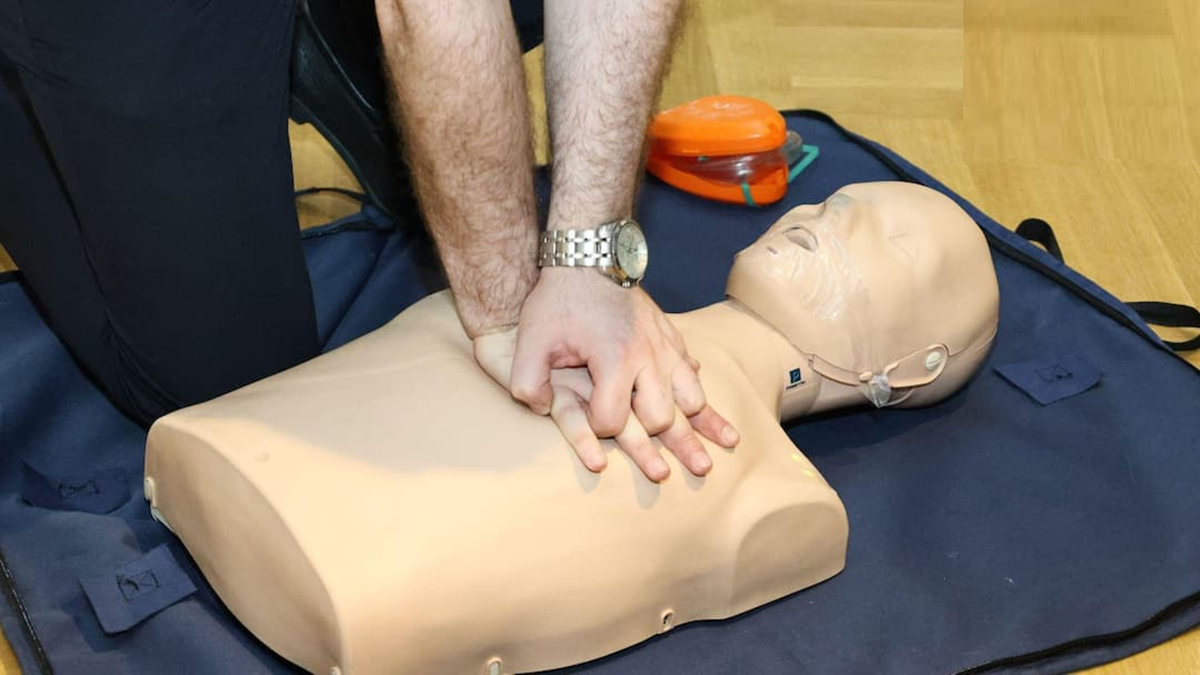
Every second is precious in a cardiac arrest. Learn when to start CPR, the correct way to perform chest compressions, and common mistakes to avoid to save a life.
The right way to give CPR
Actor Nana Patekar died of cardiac arrest on Thursday. After suffering cardiac arrest, Nana underwent CPR for approximately 45 minutes, but his life could not be saved. This news has raised many questions about the method of CPR and how it is administered.
Cardiac arrest is a medical emergency in which the heart suddenly stops pumping blood. In such a situation, it is crucial to get help within minutes. CPR, or cardiopulmonary resuscitation, is a life-saving procedure that helps maintain blood flow until the patient reaches the hospital, but it must be performed at the right time and in the correct manner.
When should CPR be given?
Following the recent news of actor Nana Patekar 's cardiac arrest, it's important to understand how crucial early intervention is in such situations. During cardiac arrest, a person can suddenly collapse, become unconscious, and stop breathing normally. If a person remains unresponsive to calls and gentle tapping on the shoulder and is not breathing normally, call emergency help immediately and initiate CPR. Sometimes, a person may only appear to be gasping. Such abnormal breathing should not be mistaken for normal breathing and should not be ignored.
What is the correct way to give CPR?
If an adult suddenly collapses and isn't breathing normally, take these steps. First, ensure there's no danger nearby. Call out to the person and gently pat them on the shoulder. Ask someone to call emergency services. Lay the person on their back on a firm, flat surface. Place the lower part of one palm on the center of the chest, and the other palm on top. Press down on the chest approximately 5 to 6 centimeters. Maintain a pace of 100 to 120 compressions per minute. Allow the chest to return to normal after each compression. Continue CPR until the person begins breathing normally or responding, trained help arrives, or you are physically unable to continue. If an AED is available, turn it on and follow its instructions. Trained CPR personnel also administer chest compressions and rescue breaths as needed. In the event of an adult who suddenly collapses without training, chest compressions alone is a helpful option.
When should CPR not be given?
Not every unconscious person needs CPR. If the person is unconscious but breathing normally, do not perform chest compressions. Call for medical help immediately, monitor breathing, and place the person in a safe, prone position as needed. If there is a risk of injury, do not move the body unnecessarily. If the person is conscious or breathing normally, do not initiate CPR. Instead, assess their condition and seek medical attention if necessary. Keep in mind that CPR is not guaranteed to save everyone's life. However, delaying assistance in cardiac arrest can be fatal. Therefore, it is crucial to receive CPR training and act promptly in such situations.