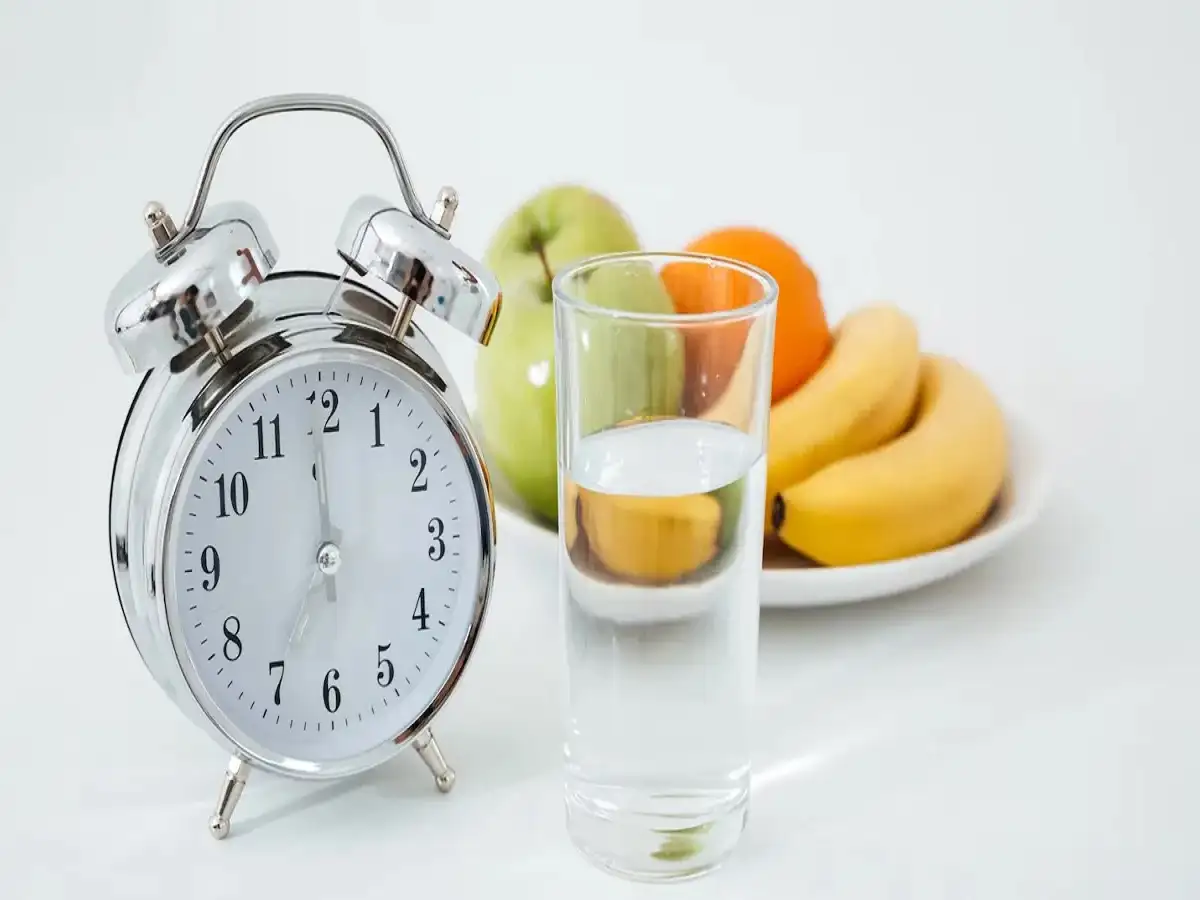
With busy schedules, irregular meals and limited physical activity becoming common, many people are paying greater attention to heart health. One concern that often comes up is whether eating certain foods at night can prevent a heart attack while sleeping.
The most important point is that there is no specific food, drink or bedtime remedy that can guarantee protection from a heart attack during sleep. Heart attack risk depends on multiple factors, including existing cardiovascular disease, blood pressure, cholesterol, diabetes, smoking, family history, age and overall lifestyle.
A balanced dietary pattern can nevertheless support cardiovascular health over time. Diets that contain plenty of vegetables, fruits, legumes, whole grains, nuts and other minimally processed plant foods can provide fibre and a variety of nutrients.
Some research has also examined relationships between dietary patterns, sleep characteristics and overnight heart rate. Such findings can identify associations, but they do not prove that eating a particular food at dinner will prevent a heart attack.
Fibre-Rich Foods Can Be Part of a Heart-Healthy Diet
Rather than looking for a single “heart-protecting” food to eat before bed, focus on the quality of your diet throughout the day.
Fibre-rich and minimally processed plant foods can form an important part of a balanced eating pattern.
Useful choices include lentils, beans, vegetables, fresh fruit, whole grains, nuts such as almonds and walnuts, and seeds.
These foods provide more than fibre. They can also contain vitamins, minerals and naturally occurring plant compounds known as phytochemicals.
The benefits are more likely to come from the overall dietary pattern rather than one particular food eaten at a specific time.
What Has Research Found About Fibre and Sleep?
Research examining diet and sleep has reported associations between higher fibre intake and certain sleep measurements.
In the findings cited in the original report, people with higher fibre intake had approximately 0.59 percentage points more deep sleep and 0.76 percentage points more REM sleep, while light sleep was about 1.35 percentage points lower.
Their average overnight heart rate was also approximately 1.14 beats per minute lower.
These numbers need to be interpreted carefully. An association does not establish that fibre directly caused these changes, nor does a slightly lower sleeping heart rate automatically translate into protection against a heart attack.
The results should therefore not be used to claim that increasing fibre intake will prevent a cardiac event during sleep.
Plant Foods Contain Phytochemicals
Fruits, vegetables, pulses, beans, nuts and many other plant foods naturally contain compounds broadly referred to as phytochemicals.
The research cited in the report also found associations between higher phytochemical intake and some sleep measures. Participants with higher intake reportedly had approximately 0.62 percentage points more REM sleep and around 1 percentage point less light sleep.
Their average overnight heart rate was about 0.93 beats per minute lower.
Again, this does not mean that eating a particular fruit, vegetable or handful of nuts before bedtime will immediately lower heart-attack risk.
Dietary studies often examine patterns and associations, and many lifestyle factors can influence both sleep and cardiovascular health.
Should You Eat a Heavy Meal Before Bed?
Eating a large dinner immediately before going to sleep is not necessary for heart protection.
Interestingly, the research described in the source found that people consuming more calories during the six hours before bedtime slept approximately 7.7 minutes longer overall, but their average overnight heart rate was around 0.73 beats per minute higher.
This finding should not be interpreted as a recommendation to increase calorie intake at night.
Heavy meals close to bedtime can cause discomfort in some people and may contribute to acid reflux, heartburn or disturbed sleep.
If you regularly experience reflux, the timing and size of your evening meal may need particular attention.
What Can a Heart-Friendly Dinner Look Like?
A balanced evening meal does not need to be complicated.
Depending on individual nutritional needs and dietary preferences, dinner can include vegetables along with a source of protein such as lentils, beans, other pulses or another suitable protein food. Whole grains can be included in appropriate portions, while nuts or seeds can contribute healthy unsaturated fats.
Try to make minimally processed foods the foundation of the meal rather than relying heavily on foods high in sodium, added sugars or saturated fat.
Portion size also matters. A food does not become healthier simply because it is plant-based, and individual calorie and nutritional requirements vary.
Heart Health Depends on More Than Dinner
Protecting cardiovascular health requires a broader approach than choosing the right bedtime snack.
Regular physical activity, a balanced diet, avoiding tobacco, maintaining an appropriate weight and managing blood pressure, cholesterol and blood glucose are all relevant to cardiovascular risk.
People who have already been diagnosed with heart disease, high blood pressure, diabetes or abnormal cholesterol should follow the treatment plan recommended by their healthcare professional. Healthy food is important, but it should not replace prescribed medication or medical monitoring.
Never Rely on Food During Possible Heart-Attack Symptoms
A heart attack can happen at any time, including during rest or sleep.
Warning symptoms can include chest pressure, squeezing, heaviness or pain, although symptoms are not identical in everyone. Discomfort may spread to the arm, shoulder, back, neck or jaw. Shortness of breath, cold sweating, nausea, unusual weakness or light-headedness can also occur.
Some people may have less typical symptoms.
If symptoms suggest a possible heart attack, do not try to treat the situation by eating a particular food or drinking a home remedy and then waiting to see whether it improves. Seek emergency medical assistance promptly.
The best approach to heart health is therefore not searching for one food that can prevent a heart attack while you sleep. A consistent pattern of nutritious food, physical activity, adequate sleep, avoidance of tobacco and proper management of cardiovascular risk factors provides a much more meaningful foundation for long-term heart health.