SPORTS
What is the difference between 'match fixing' and 'spot fixing'? Learn about both in simple terms.
Match Fixing and Spot Fixing: If you're confused about the difference between 'match fixing' and 'spot fixing', here's the answer, along with examples.
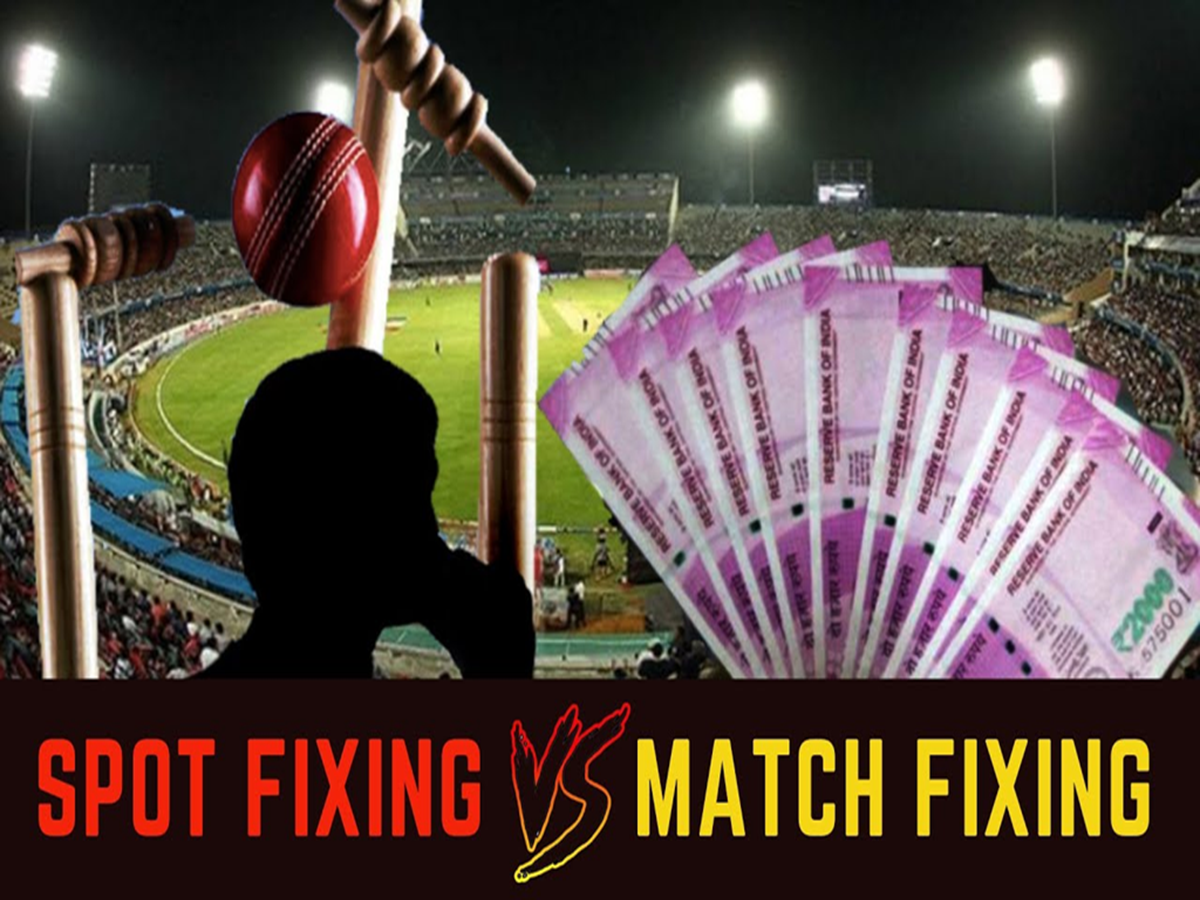
Difference between match fixing and spot fixing
Match Fixing and Spot Fixing Difference: The term "fixing" has been around since the inception of cricket. Those who closely understand the game are well aware of "match fixing" and "spot fixing," but the average person who enjoys playing or watching matches may not be familiar with these concepts. Here, you'll learn about both. You'll also learn the difference between them, with examples. It's worth noting that both types of fixing are crimes.
Match Fixings
Match fixing involves the outcome of a match. The goal of this fixing is to determine in advance which team will win and which will lose. This type of fixing often involves entire teams deliberately underperforming to alter the outcome.
Example: Hansie Cronje, then South Africa captain, was accused of match-fixing in a series against India in 2000. Cronje later admitted the charges and was banned for life.
spot fixing
Spot-fixing has nothing to do with the outcome of the match. It focuses on specific details, such as how many runs will be scored in an over, what will happen on the next ball, when a no-ball will be called, when a wide will be called, etc. In this way, money is bet on small things. Usually, only one or two players are involved in this type of fixing. These players receive money through bookies.
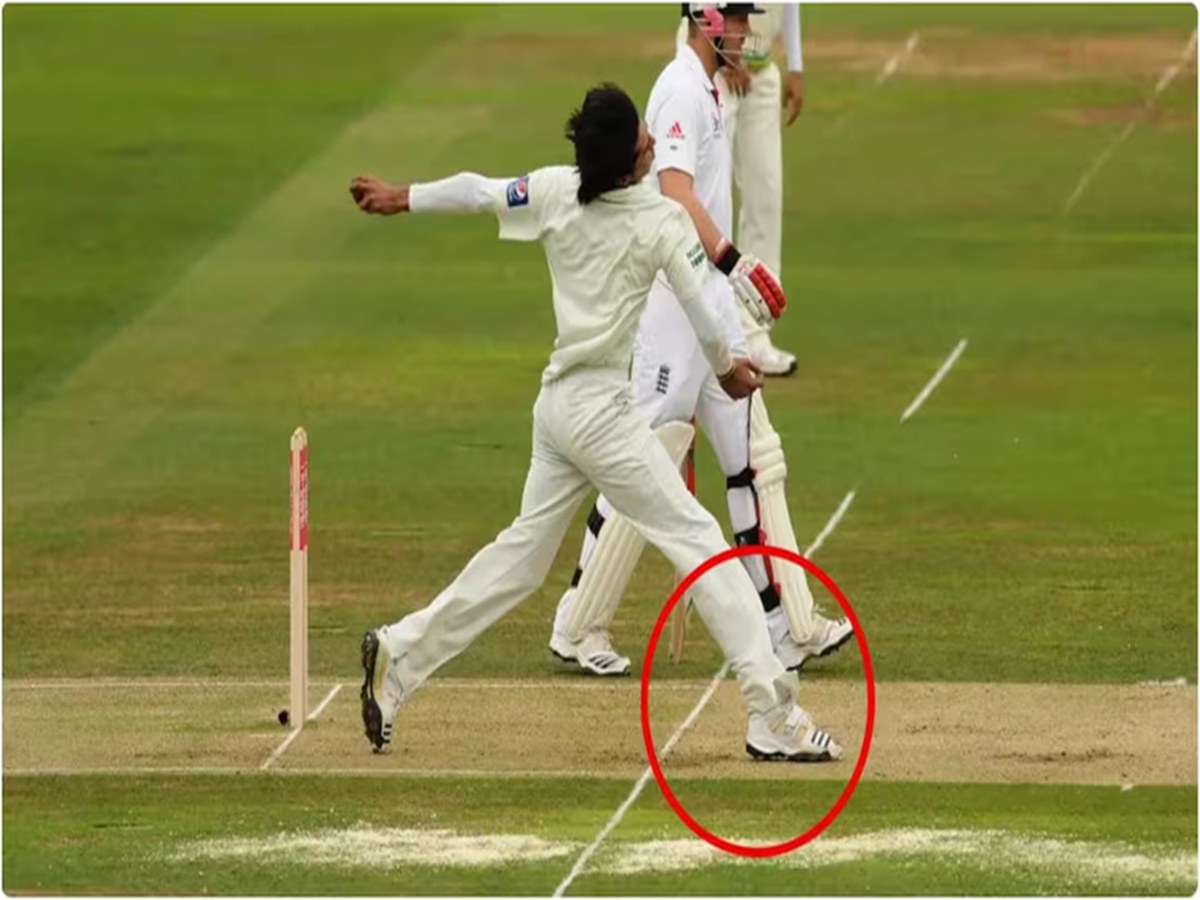
For example, former Pakistan fast bowler Mohammad Amir was involved in spot-fixing during a match against England at Lord's in 2010. Amir intentionally bowled no-balls during the match. Amir faced a five-year ban for his involvement in the case. Pakistan's Mohammad Asif and Salman Butt were also involved in the case.