LIFESTYLE
What is the difference between an X-ray, CT scan, and MRI? When are these tests performed?
Learn which medical tests are appropriate and which ones to use for pain or injury. What's the difference between an X-ray, CT scan, and MRI, and when do doctors recommend which tests?
medical examination
Doctors often recommend X-rays, CT scans, or MRIs to diagnose pain, injuries, or illnesses. These three tests provide images of the inside of the body, but their functions are different. X-rays help examine bones, CT scans provide detailed images of the inside of the body, while MRIs are used to examine soft tissues like the brain, spinal cord, and muscles. Let's explore the differences between these three tests.
What is an X-ray and when is it done?
An X-ray is a common test that uses low doses of radiation to create images of the inside of the body. This test is often performed to identify a fracture or injury, as it allows for clearer bone visibility. A chest X-ray is also used to diagnose certain lung problems. This test is usually quick, but it doesn't provide a comprehensive view of all parts of the body.
What is a CT scan and when is it necessary?
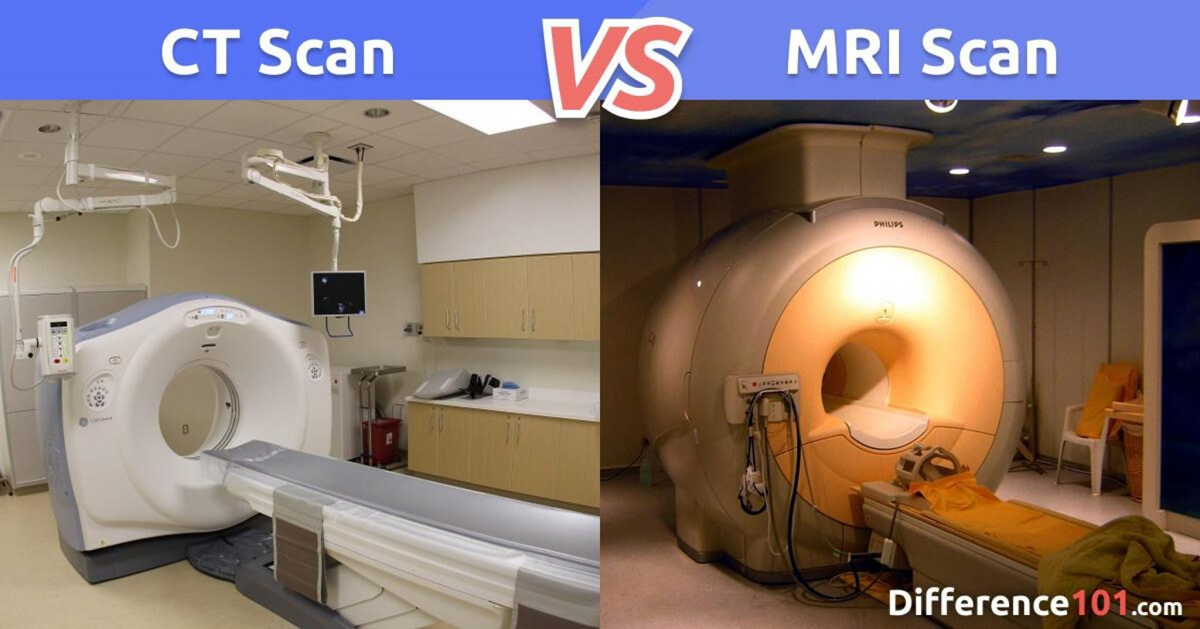
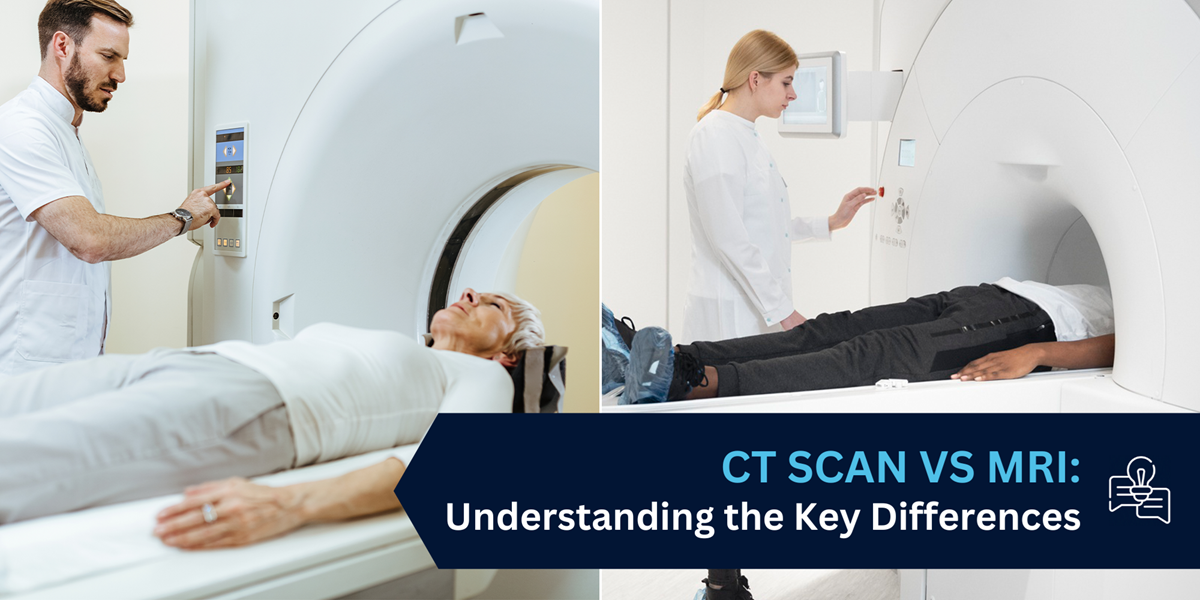
CT scans stand for computed tomography. Using X-rays, images are taken from different angles of the body, and a computer combines them to create detailed images. CT scans are used to diagnose serious injuries, head injuries, internal bleeding, and certain organ diseases. In emergencies, they provide vital information in a short time.
What is MRI and when is it used?
MRI stands for Magnetic Resonance Imaging. It uses a strong magnetic field and radio waves to create images of the inside of the body. It doesn't use radiation like X-rays. MRI is useful for examining the brain, spinal cord, muscles, knee ligaments, and other soft tissues. It takes longer to complete than a CT scan.
Which test is better?
X-rays, CT scans, and MRIs are not the best fit for every diagnosis. X-rays are useful for initial bone assessment, CT scans help detect serious injuries and internal problems, while MRIs provide detailed information about soft tissue. Tests are selected based on the patient's symptoms and medical condition. Therefore, do not self-select any tests without consulting a doctor. If you are pregnant or have any medical devices implanted in your body, inform your doctor before the test.