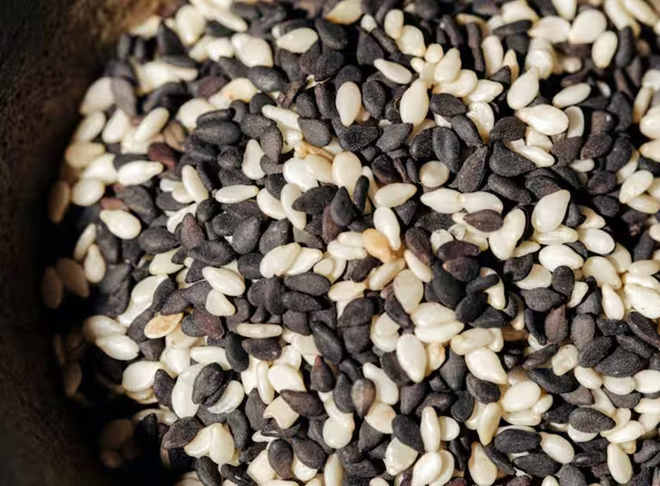
Sesame seeds are rich in minerals like calcium, iron, magnesium, phosphorus, zinc, and manganese. 100 grams of white sesame seeds contain approximately 975 mg of calcium, which is more than a glass of milk.
Benefits of eating sesame seeds
Nowadays, people are spending thousands of rupees on multivitamins and mineral supplements for good health, but few know that a small seed in our kitchen is more effective than many expensive pills. This seed is actually sesame, which is considered a great medicine in Ayurveda and a nutrient superfood in science. The nutrients present in sesame are easily absorbed by the body, providing the body with essential vitamins and minerals naturally. This is why sesame is given special importance in the winter season, and grandmother's recipes always include sesame-based products. So, let us now tell you the tremendous benefits of eating sesame.
Why is sesame called a superfood?
Sesame seeds are rich in minerals like calcium, iron, magnesium, phosphorus, zinc, and manganese. 100 grams of white sesame seeds contain approximately 975 mg of calcium, which is more than a glass of milk. Calcium is essential for strong bones and joints, and sesame seeds naturally provide this. Furthermore, the iron and copper in sesame seeds help combat anemia. It is also considered a good source of protein for young gym-goers. It is
also beneficial for the heart and digestion .
Sesame seeds contain compounds like sesamin and sesamolin, which help lower bad cholesterol. This improves heart health and keeps blood pressure under control. The fiber in sesame seeds improves digestion and helps relieve problems like constipation.
Which sesame is more beneficial?
Both black and white sesame seeds are beneficial for health, but their properties differ slightly. White sesame seeds are easier to digest and contain a good amount of calcium and healthy fats. Black sesame seeds, while still peeled, contain more iron and antioxidants. Black sesame seeds are considered more beneficial for low hemoglobin, weakness, and hair problems.
Benefits of eating sesame seeds in winter
According to Ayurveda, sesame seeds have a warming effect. Consuming them in winter keeps the body warm from within and protects against cold-related problems. This is why sesame laddus, gajak, and other dishes are widely consumed during winter. Consuming sesame seeds in moderation daily strengthens bones, improves digestion, maintains heart health, and maintains energy. Furthermore, sesame seeds also help relieve constipation.
How much sesame seeds should be eaten in a day?
Sesame seeds have a warming effect, so consuming them in excess can be harmful. Eating 1 to 2 teaspoons (about 10 to 15 grams) of sesame seeds daily is considered sufficient and safe. Consuming large amounts can cause stomach heat, weight gain, or digestive problems. Lightly toasted sesame seeds are more beneficial. Sesame seeds can be eaten as laddus, salads, porridge, or simply chewed.