
NEWS
Wet Clothes Science: Why does the color of clothes change as soon as they get wet in water? How does the science behind it work?
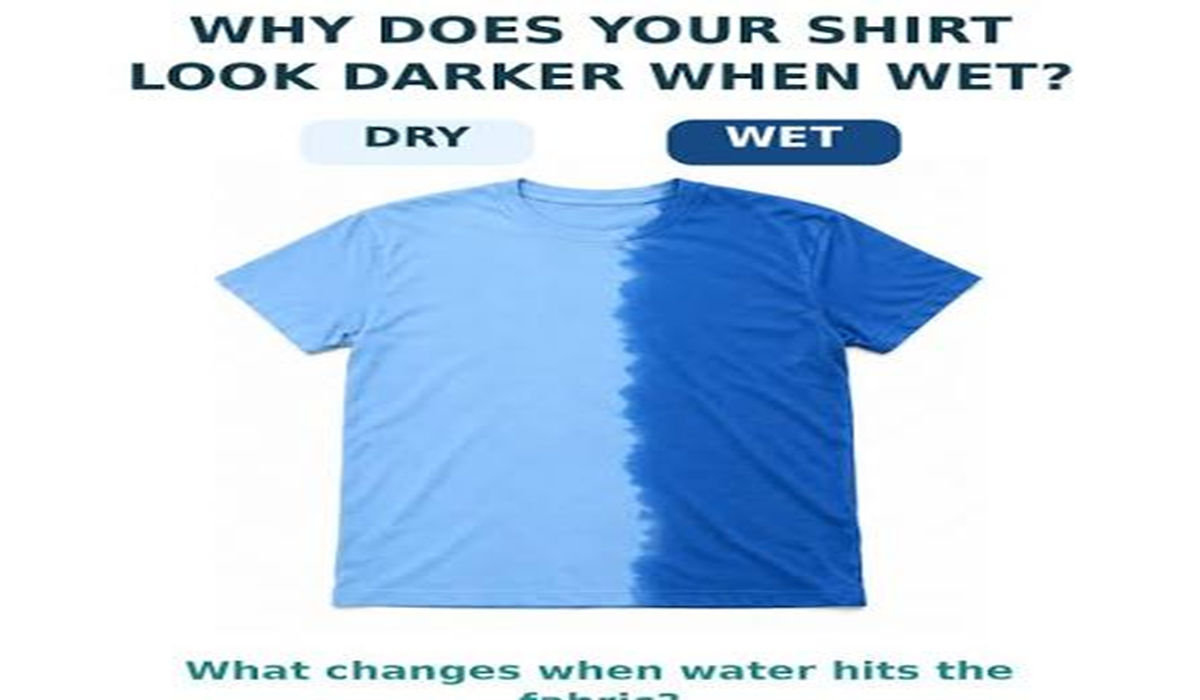
Wet Clothes Science: The colour of clothes does not actually change when they get wet, but the way light is scattered and absorbed changes due to water replacing air between the fibbers.

Why do clothes change colour when they get wet?
Wet Clothes Science: If raindrops suddenly fall while walking on the street, or if water splashes on clothes while washing them at home, the color of the clothes changes to darker in an instant. Whether it's a water stain on a white shirt or bright red or blue clothes, their appearance changes slightly when wet, but returns to their original color as soon as they dry. Why do clothes change color when wet, and what law of light is at play? Let's understand this in a simple and interesting way.
How do we see the color of any object?
The color of any object is determined by how much of the incident light it absorbs and how much is reflected back to our eyes. When light from the sun or any other source falls on a surface, it absorbs some wavelengths and reflects the rest.
For example, a green leaf or grass absorbs other colors of light and reflects back green rays, making it appear green. Similarly, the texture, roughness, and microstructure of a surface also determine the direction and amount of light reflected.
Why does the colour of the cloth become darker after water falls on it?
When water falls on dry fabric, it replaces the air between the fibers. The optical properties of air and water are different, so the path and scattering of light entering the fabric change.
The brightness and lightness that dry fibers exhibit due to light scattering is diminished after they are soaked in water. The light rays bend and bounce multiple times within the fibers, causing colored fibers to absorb more light, and less light reaches our eyes, resulting in a darker fabric.
Does light get trapped inside a wet cloth?
From a physical perspective, light is refracted and reflected between the water and the fiber surfaces within a wet fabric. When light rays are reflected back into the fibers instead of emerging from the water, they have more opportunities to be absorbed.
According to experts, it's more accurate to understand this as a combination of refraction, scattering, and internal reflection rather than a single law. This is why wet cotton or woolen fabrics appear noticeably darker than dry ones.
How does the old color return after drying?
When wet clothes are air-dried or sun-dried, the water in them evaporates. As the moisture is removed, the spaces between the fibers fill with air again. As the air returns, the scattering and reflection of light return to normal. More light reaches the eye, and the fabric appears in its original, dry color.
Does this happen with everything?
This effect isn't limited to clothing, but is also seen on wet mud, sand, bricks, and rain-soaked roads, as water fills the tiny pores in these surfaces, allowing less light to reflect back. In contrast, glass or smooth, polished surfaces don't always show the same darkening effect when water falls on them, while some chemicals, such as cobalt chloride, actually change color due to a chemical change when exposed to moisture.