NEWS
West Bengal Assembly Passes Public Safety Bill Allowing Preventive Detention for Up to 12 Months
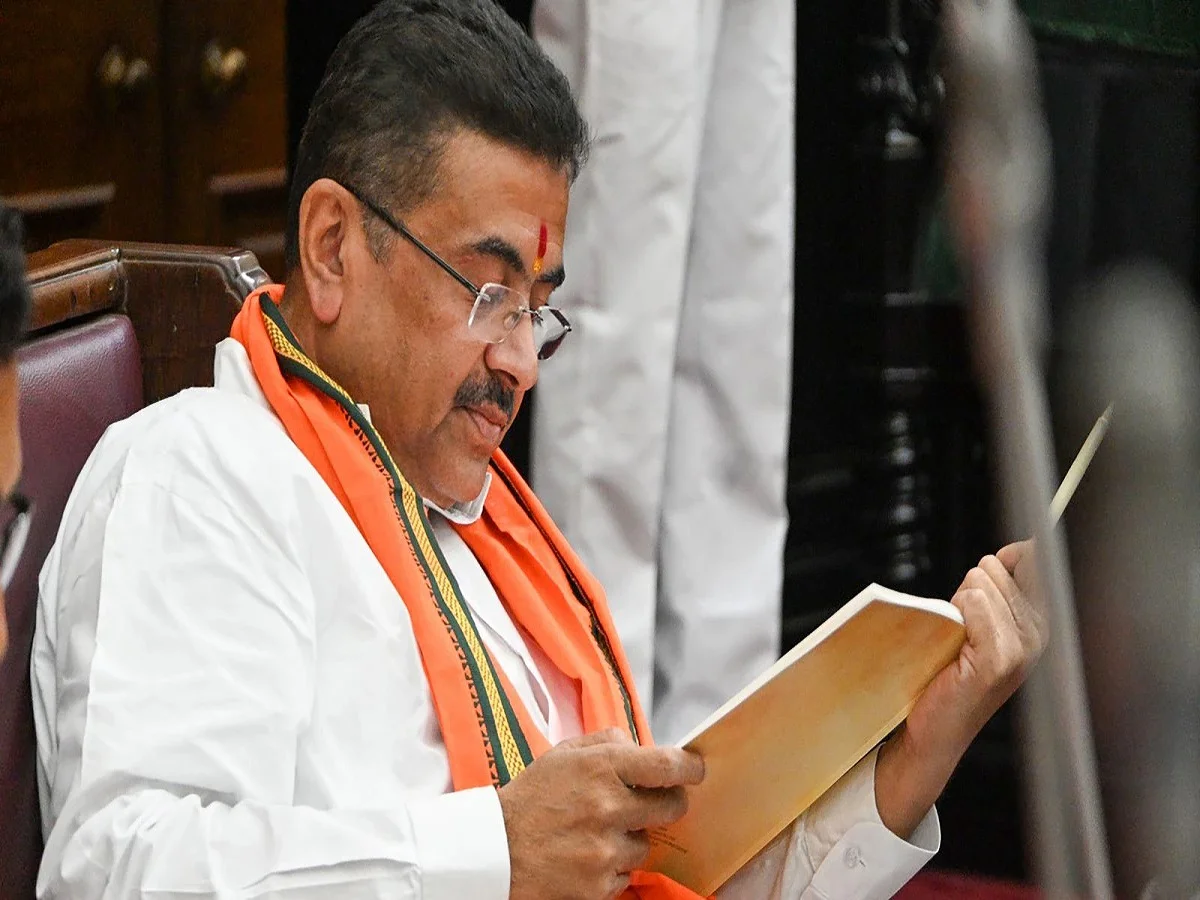
The West Bengal Assembly has approved a new public safety legislation that allows preventive detention of individuals accused of certain anti-social activities for up to 12 months without a criminal trial. The measure is part of the state government's broader strategy to strengthen law and order and combat organised crime.
The legislation, officially titled the West Bengal Public Safety and Control of Anti-Social Activities Bill, 2026, introduces stricter provisions aimed at tackling organised criminal networks, illegal activities, and threats to public order. According to the state government, the law is intended to provide authorities with stronger legal tools to prevent serious crimes before they occur.
Bill Introduces Preventive Detention Provision
One of the most debated features of the legislation is the provision allowing authorities to detain certain individuals for up to one year without a conventional criminal trial under specified legal conditions. The government has argued that the measure is necessary to prevent organised criminal activities and improve public safety.
Officials say the bill targets repeat offenders and individuals allegedly involved in organised anti-social activities, rather than ordinary citizens. The legislation also includes safeguards and procedural requirements that authorities must follow before detention orders are issued.
Government Says Existing Laws Were Not Sufficient
The state government has maintained that existing legal provisions were inadequate to deal with organised crime, extortion, illegal mining, and other activities affecting public order.
According to the government, the new legislation has been designed to strengthen preventive policing and enable quicker action against criminal networks before incidents escalate.
Property Confiscation Measures Included
Alongside the preventive detention provisions, the Assembly also considered measures allowing authorities to seize or confiscate properties allegedly linked to organised criminal activities, subject to the legal process outlined in the legislation.
Officials say these provisions are intended to discourage organised crime by targeting financial gains derived from illegal activities.
Debate Over Civil Liberties
The proposed law has generated political and legal debate.
Supporters argue that stronger legislation is necessary to improve public safety, dismantle criminal syndicates, and maintain law and order across the state.
Critics, however, have expressed concerns about preventive detention provisions, arguing that such powers should include strong legal safeguards to protect civil liberties and prevent misuse. The legislation is expected to remain a subject of public and political discussion in the coming weeks.
Government's Broader Governance Agenda
The public safety legislation forms part of a wider set of policy initiatives introduced by the state government following the 2026 Assembly elections. Recent measures have focused on governance reforms, administrative changes, public welfare programmes, and strengthening law enforcement mechanisms.
Officials have stated that the objective is to improve governance, enhance public security, and accelerate implementation of development initiatives across the state.
What the New Law Means
If implemented as proposed, the legislation will give law enforcement agencies broader preventive powers against individuals suspected of involvement in organised anti-social activities. The government believes the law will help curb crime and strengthen public order, while legal experts and opposition leaders are expected to closely examine how the provisions are applied in practice.
The implementation of the new law is likely to be closely watched, as it balances the state's objective of strengthening public safety with ongoing discussions about legal safeguards, due process, and individual rights.