LIFESTYLE
Water Tank Cleaning: Is your tank water getting dirty during the rainy season? Follow these tips.
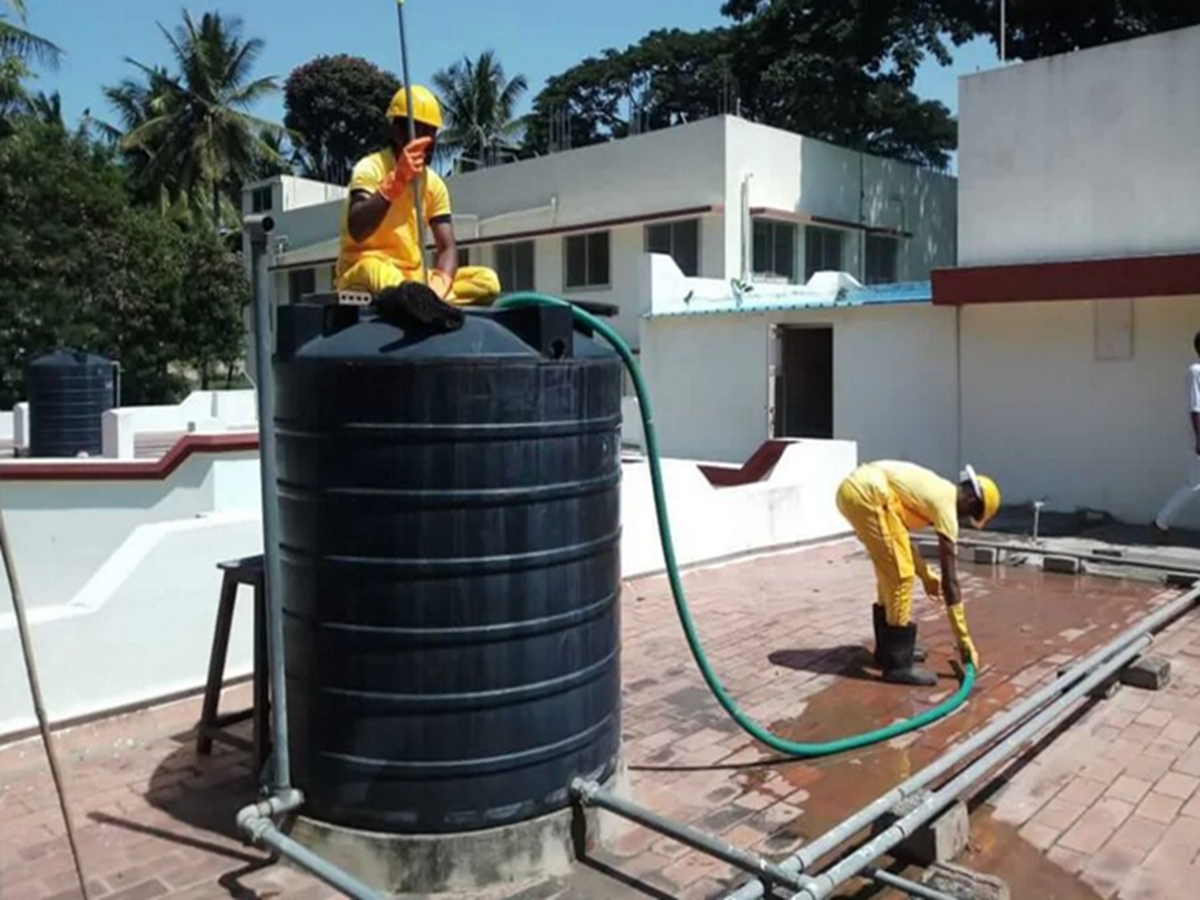
Monsoon Water Tank Care: Along with rainwater, dust, leaves, and small insects can also accumulate around the tank. If the tank lid is not properly closed or has cracks, dirt can get inside.
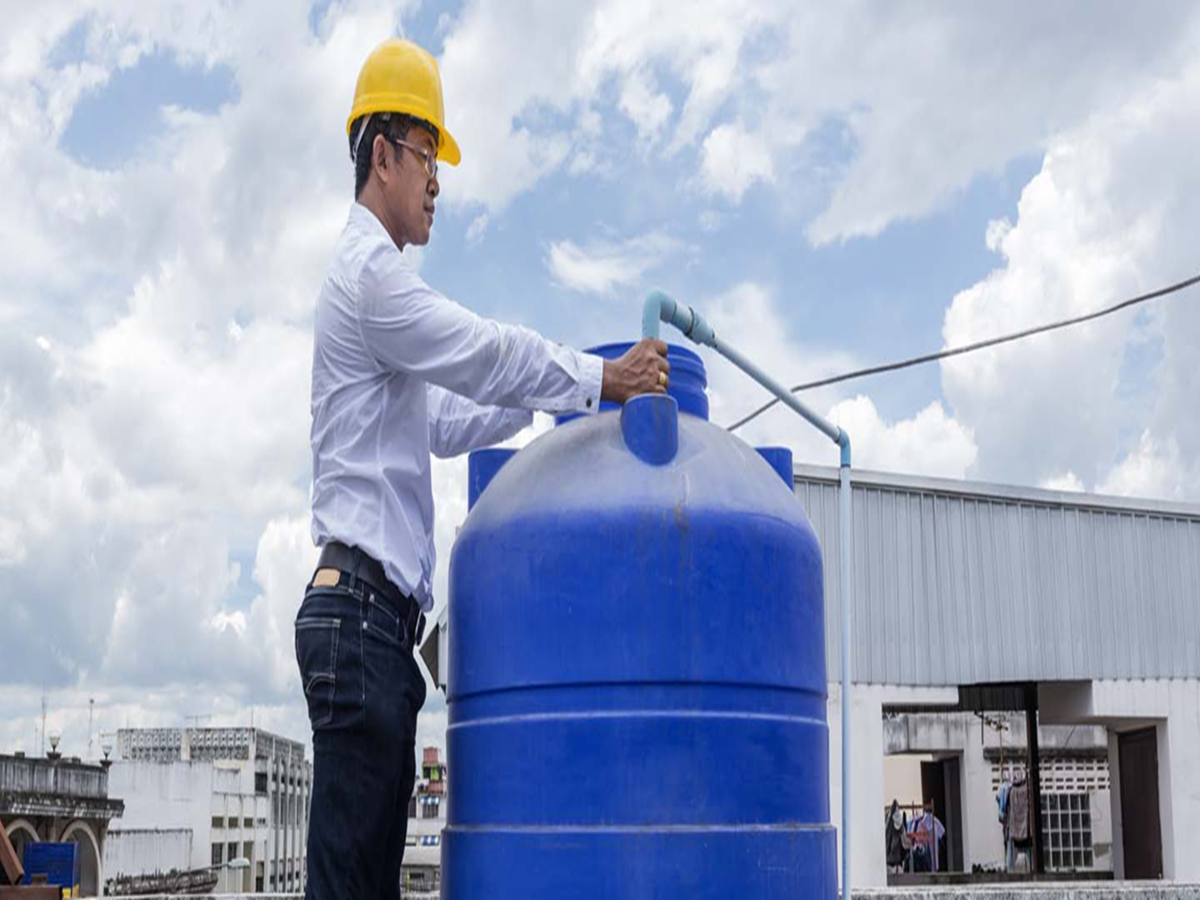
Tips to clean the water tank during monsoon
How to Clean Overhead Water Tank in Monsoon: The rainy season brings relief from the heat, but during this time, the cleanliness of household water requires more attention. Rain can increase the risk of dirt, bacteria, and other harmful elements entering the water tank. Tank water is used in homes for bathing, washing clothes, cooking, and sometimes even drinking. Therefore, neglecting tank cleaning can affect water quality.
Along with rainwater, dust, leaves, and small insects can also accumulate around the tank. If the tank lid isn't properly closed or has cracks, dirt can get inside. Stagnation of water for extended periods can also lead to the formation of dirt and algae inside the tank. Therefore, keeping a few things in mind during the monsoon season can help keep your water tank clean and safe.
Always keep the tank lid closed.
It's crucial to keep the tank lid properly closed during the rainy season. Rainwater, dust, leaves, and insects can easily enter an open or partially covered tank, increasing the risk of water contamination. Therefore, periodically check that the tank lid fits properly. If the lid is broken or has excessive gaps, have it repaired or replaced. This will help prevent external debris from entering the tank.
Keep checking for cracks and leaks.
Even a small crack in a water tank should not be ignored. During rain, dirty water and dirt can enter the tank through cracks or damaged areas. Therefore, during the monsoon season, regularly inspect the tank's exterior. If water is leaking or a crack appears, have it repaired immediately. It's also important to pay attention to persistent water accumulation around the tank.
Clean the inlet, outlet, and overflow pipes.
Cleaning the tank alone isn't enough. Cleaning the inlet, outlet, and overflow pipes is also essential. During the rainy season, leaves, dirt, and other debris can accumulate in or around the pipes. Blockages in the pipes can affect water flow and even cause dirt to reach the water. Therefore, regularly inspect these pipes during the rainy season and have any blockages cleaned if noticed.
Do not let water remain stagnant for a long time.
If the tank water is unused for a long time, it can become susceptible to algae and microbes. Therefore, try not to let water sit in one place for long periods. Use water as needed and refill the tank regularly. If the house is going to be closed for a long time, be sure to check the condition of the tank and water upon returning, rather than reusing the old water directly.
If you notice any change in the water, do not ignore it.
Certain changes in the tank water may indicate the need for cleaning. If the water appears cloudier or discolored than usual, if it has a strange odor, or if dirt and algae are visible inside the tank, these should not be ignored. In such a situation, it is best to have the tank inspected and cleaned. Just because the water looks clear does not mean that the tank is completely clean. Therefore, regular cleaning is essential.
Protect the tank from sunlight and dirt
Keep the tank and its surroundings as clean as possible. Avoid direct sunlight and dirt accumulation around the tank. The quality and condition of the tank also play an important role in keeping the water safe. During the monsoon, simple precautions like regularly cleaning the tank, keeping the lid securely closed, checking the pipes, and getting any leaks repaired promptly can go a long way.