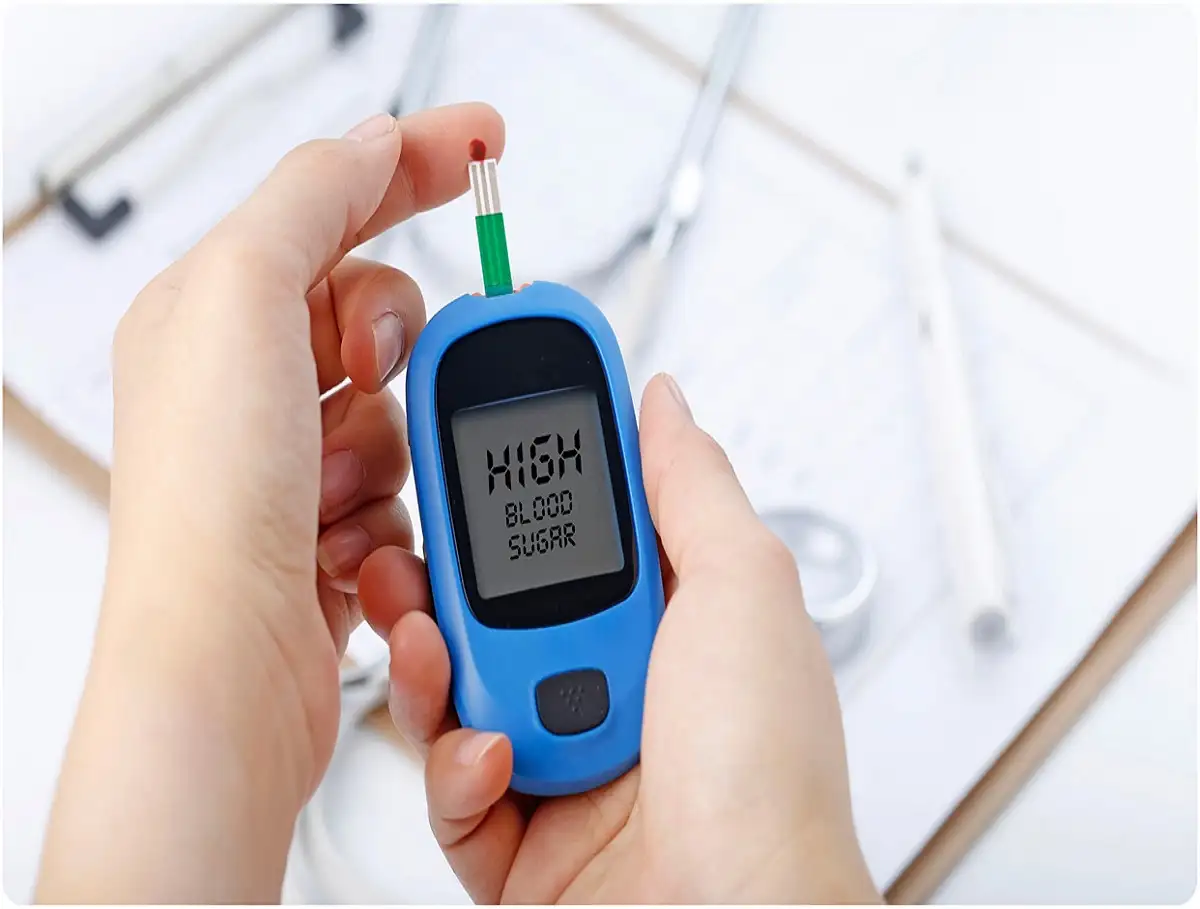
Blood Sugar Control Tips: Managing diabetes requires a combination of healthy eating habits, regular physical activity, appropriate medication and routine blood glucose monitoring. However, one simple lifestyle change may help people improve their blood sugar management without requiring intense exercise or expensive fitness equipment.
Health research suggests that taking a short walk after eating can help reduce the rise in blood glucose that naturally occurs following a meal. Even 10 to 15 minutes of light or moderate walking may provide meaningful benefits, particularly for individuals with type 2 diabetes or those at risk of developing the condition.
Walking after breakfast, lunch or dinner encourages the muscles to use glucose for energy, potentially reducing post-meal blood sugar spikes.
But how effective is this habit, when should you start walking, and can it replace diabetes medication? Here is what the available medical evidence suggests.
1. How Walking After Meals Helps Regulate Blood Sugar
When you eat food containing carbohydrates, your digestive system breaks them down into glucose, which enters the bloodstream.
As a result, blood sugar levels naturally increase after meals. In people with diabetes or insulin resistance, these increases may be higher or last longer than normal.
Physical activity helps the body manage this process more efficiently.
During walking, muscles require additional energy and begin absorbing glucose from the bloodstream. Muscle contractions can also promote glucose uptake through mechanisms that do not depend entirely on insulin.
This means a short walk after eating may help reduce the size of a post-meal glucose increase.
Research involving people with type 2 diabetes has found that walking after meals can improve postprandial blood glucose control compared with remaining inactive.
However, the size of the benefit varies according to meal composition, walking intensity, individual health conditions and medication use.
2. Is Walking for 10–15 Minutes After Eating Enough?
Many people assume that improving blood sugar requires lengthy workouts or demanding exercise sessions.
However, short periods of physical activity can also be beneficial.
A 10–15-minute walk after eating is a practical starting point for many adults. Walking at a comfortable pace helps activate the muscles without requiring strenuous physical effort.
Some research suggests that several short walks throughout the day may help manage post-meal glucose levels.
For example, walking for 10 minutes after breakfast, lunch and dinner adds up to 30 minutes of daily physical activity.
This routine can contribute towards the widely recommended target of at least 150 minutes of moderate-intensity aerobic activity per week for most adults.
Although a short walk can help, it does not guarantee that blood glucose will remain within a particular range.
Consistency, overall diet, physical fitness and medical treatment remain important.
3. What Is the Best Time to Walk After Eating?
Timing may influence how effectively walking reduces post-meal glucose increases.
Blood glucose generally begins rising after food consumption, although the timing and size of the increase depend on the meal and individual metabolism.
Starting a gentle walk soon after finishing a meal can be beneficial.
Some people prefer waiting approximately 10–20 minutes before walking, particularly after a large meal.
However, there is no universally established rule requiring everyone to wait exactly that long.
The most suitable timing depends on personal comfort, digestion, physical ability and medical advice.
People who experience discomfort, dizziness or other symptoms after eating should avoid forcing themselves into physical activity.
The goal is to establish a sustainable habit rather than follow a rigid schedule.
4. Walking After Meals May Also Support Weight Management
The potential benefits of walking extend beyond blood sugar control.
Regular physical activity helps the body expend energy and can contribute to maintaining a healthy weight when combined with appropriate eating habits.
For individuals with type 2 diabetes, weight management may improve insulin sensitivity and overall metabolic health.
Walking can also support cardiovascular fitness, which is particularly important because diabetes is associated with an increased risk of heart disease.
Some individuals find that gentle movement after eating helps them feel more comfortable, although evidence for specific digestive benefits is less conclusive than the evidence for glucose management.
A regular walking routine may also improve mood, reduce prolonged sitting and support general physical well-being.
These benefits make walking a useful addition to a healthy lifestyle, even for people who do not have diabetes.
5. Can Walking After Every Meal Cure Diabetes?
Although post-meal walking can help improve glucose management, it is important to understand its limitations.
Walking is not a cure for diabetes and should never be considered a replacement for prescribed medical treatment.
People with type 1 diabetes require insulin treatment, while those with type 2 diabetes may need medication, lifestyle changes or both.
A comprehensive diabetes management plan generally includes balanced nutrition, regular physical activity, sufficient sleep, appropriate medication and glucose monitoring.
Medical professionals may also recommend periodic HbA1c testing to assess average blood glucose levels over approximately two to three months.
While regular exercise can improve insulin sensitivity and support diabetes management, individual outcomes vary.
Some people with type 2 diabetes may achieve remission through substantial and sustained lifestyle changes or other medical interventions, but remission is not the same as a permanent cure.
6. Diabetes Patients Taking Medication Should Exercise Carefully
Walking is generally a low-impact activity, but individuals taking certain diabetes medications should consider additional precautions.
Insulin and some glucose-lowering medicines, particularly sulfonylureas, can increase the risk of hypoglycaemia, commonly called low blood sugar.
Physical activity may further lower glucose levels, especially when exercise duration or intensity increases.
Symptoms of hypoglycaemia may include sweating, trembling, sudden hunger, dizziness, weakness, confusion or a rapid heartbeat.
People at risk of low blood sugar should discuss exercise plans and glucose monitoring requirements with their healthcare professional.
Those using insulin or medications associated with hypoglycaemia may need to check glucose levels around physical activity and carry a fast-acting carbohydrate source when appropriate.
Individuals with significant heart problems, balance difficulties, diabetic foot complications or other medical conditions should seek personalised advice before changing their exercise routine.
7. Simple Ways to Include Post-Meal Walking in Your Daily Routine
Developing a regular walking habit does not necessarily require visiting a gym or purchasing fitness equipment.
Small changes in daily activities can make physical movement more manageable.
For example, individuals can take a gentle walk around their home after breakfast, walk through a nearby park after lunch or spend a few minutes moving indoors after dinner.
Those who spend long hours working at a desk may benefit from using short breaks to increase their activity levels.
Beginners can start with five minutes of comfortable walking and gradually increase the duration as their fitness improves.
People should choose safe walking environments, wear comfortable footwear and remain adequately hydrated.
The most important factor is maintaining a routine that suits individual health needs and can be followed consistently.
8. Walking After Meals vs Sitting: What Does Research Suggest?
Research indicates that remaining physically active after eating may improve short-term blood glucose responses compared with prolonged sitting.
A study published in Diabetologia in 2016 found that walking for 10 minutes after each main meal improved post-meal glucose control in people with type 2 diabetes compared with taking one 30-minute walk at another time of day.
The findings suggest that distributing physical activity around meals may provide additional benefits for managing post-meal glucose levels.
However, the research does not establish that every person will experience identical improvements or that 10 minutes is the ideal duration for everyone.
Long-term diabetes management still depends on multiple factors, including medication, diet, overall physical activity and individual metabolic health.
Conclusion: A Short Walk Can Be a Useful Daily Habit
Taking a 10–15-minute walk after meals is a simple and accessible way to support better blood sugar management.
By encouraging muscles to use glucose for energy, post-meal walking may help reduce glucose spikes, support physical fitness and contribute to overall metabolic health.
People who can comfortably walk after breakfast, lunch and dinner may find it easier to incorporate regular movement into their schedules.
However, individuals with diabetes should continue following their prescribed treatment plans, monitor glucose as recommended and consult their healthcare provider before making significant changes to physical activity.
Medical Disclaimer: This article is intended for general health awareness and does not replace professional medical advice, diagnosis or treatment.