LIFESTYLE
Vitamin-D level can also decrease due to deficiency of this mineral, include these things in the diet to prevent it
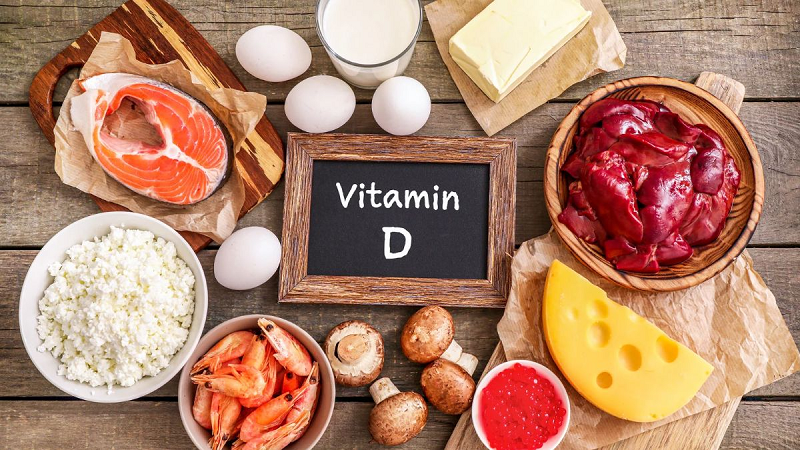
Vitamin-D deficiency is becoming a common problem. However, just sitting in the sun and taking supplements is not enough to overcome its deficiency. Vitamin-D is in inactive form in our body, which requires a special mineral to activate it. Let us know which mineral is necessary to avoid vitamin-D deficiency.
Vitamin-D is a very important vitamin for our body. It is very important to have the right amount of vitamin-D in the body for bone strength, immune system and mental health. Therefore, its deficiency (Vitamin-D Deficiency) can cause a lot of harm to health.
But do you know that the body needs a mineral (How to Increase Vitamin-D Naturally) to use vitamin-D properly. Let us know which mineral is needed to activate vitamin-D and how its deficiency can be met.
Essential minerals for Vitamin D (Magnesium and vitamin D levels)
Magnesium acts as an important co-factor to activate vitamin D in the body. When we take vitamin D or get vitamin D from sunlight, it undergoes certain processes in the liver and kidney, after which it turns into an active form (activated vitamin D or calcitriol). Magnesium is needed in this process (Magnesium for Vitamin D).
If there is a deficiency of magnesium in the body, then vitamin D is not activated properly, due to which its full benefit is not obtained. Therefore, due to magnesium deficiency, vitamin D levels can remain low, even if you are taking plenty of vitamin D. Therefore, it is important to take a magnesium-rich diet (Magnesium-Rich Foods) for better absorption and use of vitamin D.
Sources of Magnesium
Magnesium is a mineral that is found in many food items. If you take a healthy diet, you can get plenty of magnesium.
Green leafy vegetables- Green vegetables like spinach, fenugreek, mustard greens, kale and broccoli are rich in magnesium. By including them in your diet, you can overcome the deficiency of magnesium.
Nuts and seeds- Almonds, cashews, walnuts, pumpkin seeds, sesame seeds, sunflower seeds and flax seeds are good sources of magnesium. Eating a handful of nuts or seeds daily can fulfill the daily requirement of magnesium.
Whole grains- Magnesium is also found in whole grains like wheat, millet, oats, quinoa, brown rice and barley. It is beneficial to eat whole grains instead of refined grains.
Pulses and legumes- Pulses like gram, kidney beans, moong dal, urad dal, soybean and lentil are good sources of magnesium. They provide protein as well as minerals.
Dark chocolate- Dark chocolate containing cocoa contains a good amount of magnesium. However, it should be eaten in balanced quantities, as it is also high in calories.
Banana and Avocado - Magnesium is also found in fruits like banana and avocado. These fruits are also a good source of potassium and fiber.
Dairy products - Dairy products like milk, yogurt and cheese also contain magnesium. However, its quantity is less than other sources.
Disclaimer: The advice and suggestions mentioned in the article are for general information purposes only and should not be taken as professional medical advice. Always consult your doctor if you have any questions or problems.