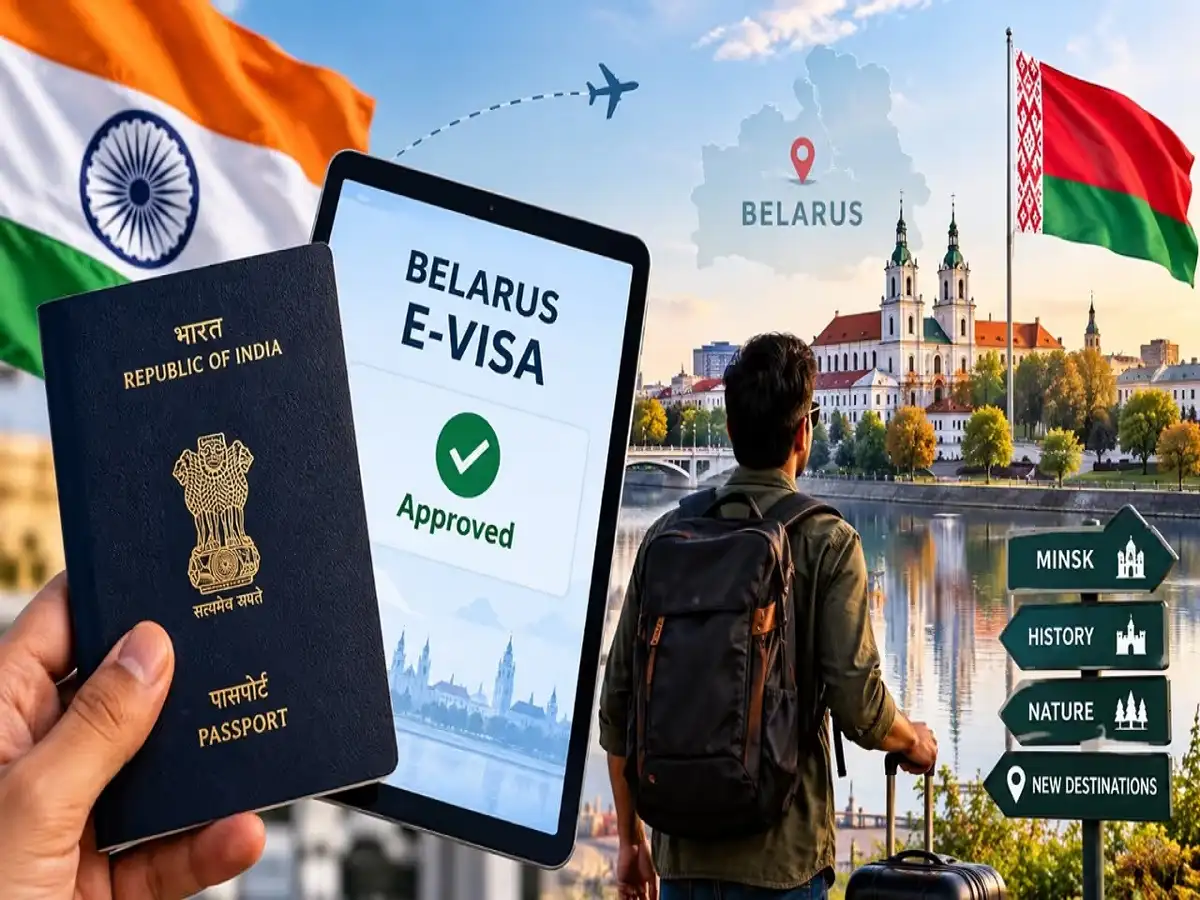
Indian passport holders planning an overseas holiday, business trip or family visit should check the latest immigration requirements before booking their journey. Several countries have introduced or expanded electronic travel authorisations, e-visas and other digital entry procedures, changing how travellers obtain permission to enter.
Some destinations now require travellers to complete an online process before departure, while others have introduced electronic visa systems designed to reduce paperwork. However, the rules are not identical for every country, and terms such as visa-free entry, visa on arrival, e-visa and electronic travel authorisation should not be treated as interchangeable.
Because immigration policies can change with little notice, travellers should always verify the requirements for their passport and purpose of travel through the destination country's official immigration or embassy website.
Sri Lanka: Indians Need ETA Before Arrival
Sri Lanka has an Electronic Travel Authorization (ETA) system for international visitors. Indian nationals are among the nationalities required to obtain an ETA before travelling.
There is some good news for tourists. From May 25, 2026, India was included among 40 countries whose nationals are eligible for a tourist ETA free of charge for 30 days.
This does not mean travellers can simply arrive without completing the required procedure. The ETA must still be obtained before arrival under the current system.
Travellers should complete the application using Sri Lanka's official ETA platform and ensure that the passport details entered in the application exactly match their travel document.
Qatar: Check Your Eligibility Before Flying
Indian travellers heading to Qatar should pay particular attention to the conditions attached to their individual travel circumstances.
Qatar maintains different entry arrangements depending on nationality and other eligibility criteria. Its official tourism information indicates that some travellers may qualify for visa on arrival subject to conditions, while others can be required to apply through the Hayya platform before travelling.
Requirements can include factors such as a confirmed return ticket, sufficient passport validity and, for some visa-on-arrival categories, specified accommodation arrangements.
Therefore, Indian travellers should not assume either that visa on arrival is universally available or that it has universally been withdrawn. The correct requirement should be checked for the individual traveller before departure.
Ghana Introduces an Electronic Visa Platform
Ghana has moved further towards digital immigration processing with the launch of its new e-Visa platform in May 2026.
The electronic system allows international travellers, including Indian applicants, to complete the visa process online. Applicants can provide their information and supporting documents electronically rather than depending entirely on a traditional paper-based application process.
The official Ghana e-Visa portal lists India among the countries whose nationals can use the system.
This can make the application process more convenient, but an e-visa should not be confused with visa-free travel. Indian travellers still need to satisfy the relevant visa requirements and obtain the necessary approval before their journey.
Other Countries May Also Use Online Visa Systems
Electronic immigration procedures are becoming increasingly common around the world. The source information also identifies countries including Chile, Venezuela and Nicaragua as destinations where online or electronic procedures may be available to Indian applicants.
However, travellers should verify the current rules directly with the immigration authority or diplomatic mission of each country before relying on an e-visa facility.
The same caution applies to destinations such as Laos, Iran and Cabo Verde (Cape Verde). Visa policies, eligibility conditions and entry procedures can change, and the rules may differ according to the purpose and length of the visit.
Understand the Difference Between Visa-Free, Visa on Arrival and e-Visa
Before travelling abroad, Indian passport holders should understand what each entry arrangement means.
Visa-free travel generally allows an eligible traveller to enter without obtaining a conventional visa beforehand, although other entry conditions may still apply.
A visa on arrival generally means an eligible passenger completes the relevant visa process after reaching an approved port of entry. Conditions, documents and fees may still apply.
An e-visa normally requires the traveller to submit an online application and receive approval before travelling.
An Electronic Travel Authorization (ETA) is a digital pre-travel authorisation used by some countries. Although it can be easier to obtain than a traditional visa, travellers may still have to complete the authorisation process before departure.
Understanding these distinctions is important because having an Indian passport alone does not guarantee entry. Immigration officers retain authority to assess travellers according to the destination country's applicable laws and requirements.
Check Passport Validity and Supporting Documents
Visa approval is only one part of international travel preparation. Travellers may also need to satisfy additional entry conditions.
Depending on the destination, these can include minimum passport validity, confirmed accommodation, a return or onward ticket, proof of sufficient funds and documents explaining the purpose of the visit.
Rules may also vary between tourists, business visitors, students, workers and passengers travelling for medical treatment.
Travellers should therefore check requirements according to their specific visa category, rather than relying only on general tourist-visa information.
Avoid Depending on Old Social Media Posts
Visa information circulating on social media, travel forums and older articles can quickly become outdated. A country that previously provided visa on arrival may introduce a pre-travel authorisation, while another may launch an e-visa or relax its requirements.
Even within the same country, eligibility can depend on factors beyond nationality.
For example, Qatar's official travel guidance currently lists different visa routes and conditions depending on a traveller's circumstances. Sri Lanka, meanwhile, requires an ETA before arrival while currently offering the tourist ETA free of charge to Indians under its 30-day scheme.
Verify the Rules Before Booking Your Trip
The broader trend in international travel is towards digital visa processing. For Indian travellers, this can make applications more convenient, but it also means that some entry formalities may need to be completed before boarding a flight.
Anyone planning an overseas journey should verify the latest requirements on the destination country's official immigration, foreign ministry, embassy or authorised visa portal before paying for non-refundable travel arrangements.
Visa policies can change at short notice. Checking the rules immediately before departure can help travellers avoid application problems, denied boarding or unexpected immigration issues at their destination.