LIFESTYLE
Vastu Tips for Kitchen: Never Let These Essential Food Items Run Out, According to Traditional Beliefs
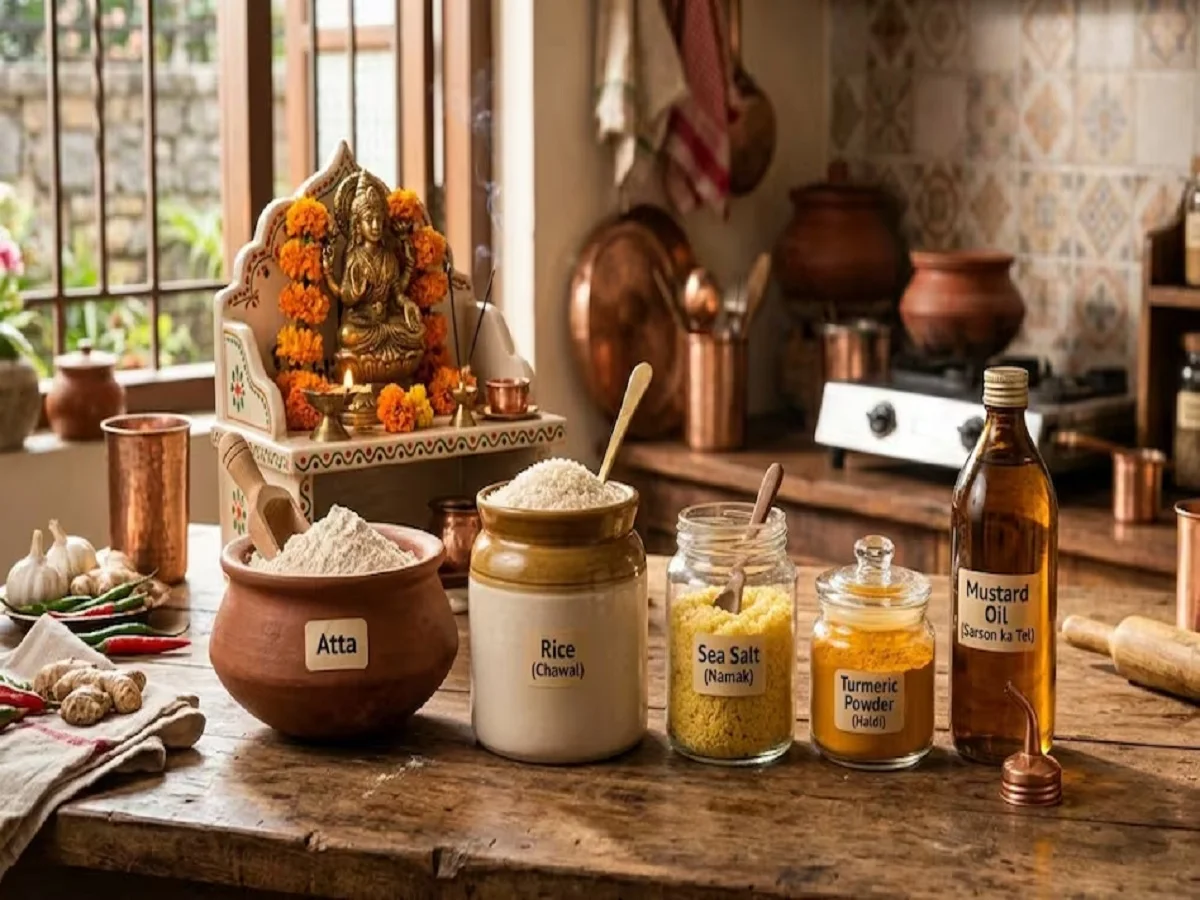
Vastu Tips for Kitchen: In traditional Hindu beliefs, the kitchen is considered one of the most sacred spaces in a home. It is viewed not only as a place where meals are prepared but also as a symbol of nourishment, prosperity, and abundance. According to Vastu Shastra, maintaining certain food items in the kitchen is believed to promote positive energy and well-being.
Many households wait until essential groceries are completely exhausted before purchasing new supplies. However, traditional Vastu practices suggest that allowing some staple ingredients to run out entirely is considered inauspicious. While these beliefs are rooted in cultural and spiritual traditions rather than scientific evidence, they continue to be followed in many homes across India.
Here are some of the key kitchen staples that, according to Vastu beliefs, should never be completely depleted.
1. Rice
Rice holds a special place in Hindu rituals and traditions. Whole rice grains, often referred to as Akshat, are commonly used during religious ceremonies, festivals, weddings, and other auspicious occasions.
According to Vastu traditions, an empty rice container is believed to symbolize a decline in prosperity. Keeping at least a small quantity of rice in the kitchen is considered a sign of abundance and continuity.
Many families therefore choose to refill their rice container before it becomes completely empty.
2. Wheat Flour
Wheat flour is one of the most essential ingredients in Indian households and is closely associated with daily nourishment.
Traditional beliefs suggest that allowing the flour container to remain empty may represent scarcity or interruptions in the household's food supply.
For this reason, Vastu recommends replenishing flour before the existing stock is fully exhausted, symbolizing continuous prosperity and food security for the family.
3. Salt
Salt is regarded as more than just a cooking ingredient in many traditional practices.
According to Vastu beliefs, an empty salt container may be associated with disturbances in household harmony and financial stability. Keeping the salt container adequately filled is believed to support positive energy and maintain balance within the home.
Although these beliefs are cultural in nature, many families continue this practice as part of their household traditions.
4. Turmeric
Turmeric is considered one of the most auspicious ingredients in Indian culture.
It plays an important role in religious rituals, weddings, festivals, and daily worship. Traditionally, turmeric symbolizes purity, good fortune, prosperity, and positive energy.
Keeping turmeric in the kitchen is believed to invite blessings and create a spiritually uplifting environment. Many households therefore ensure that this important ingredient is always available.
5. Lentils (Dal)
Lentils are a staple source of nutrition in Indian cuisine and are also associated with abundance in traditional beliefs.
According to Vastu, allowing every variety of lentil in the kitchen to run out completely may symbolically represent financial imbalance or scarcity.
Maintaining even a small quantity of lentils is believed to reflect continuity, stability, and prosperity within the household.
Why These Traditions Continue Today
Although there is no scientific evidence that keeping these ingredients stocked directly affects prosperity or financial well-being, these customs remain deeply rooted in Indian cultural and religious traditions.
Many families view these practices as reminders to maintain preparedness, avoid food shortages, and respect the importance of daily nourishment.
In addition to following Vastu principles, regularly stocking essential groceries also promotes better household planning and reduces the inconvenience of running out of everyday necessities.
A Balanced Perspective
Vastu Shastra represents a traditional system of beliefs that many people follow for spiritual and cultural reasons. Whether or not one chooses to observe these practices is a matter of personal faith.
Keeping staple food items such as rice, wheat flour, salt, turmeric, and lentils readily available can also be seen as a practical habit that supports efficient kitchen management while preserving longstanding family traditions.