NEWS
Varanasi projects, SEMICON 2.0 approval and railway upgrades… these were the 6 major decisions taken in the cabinet meeting
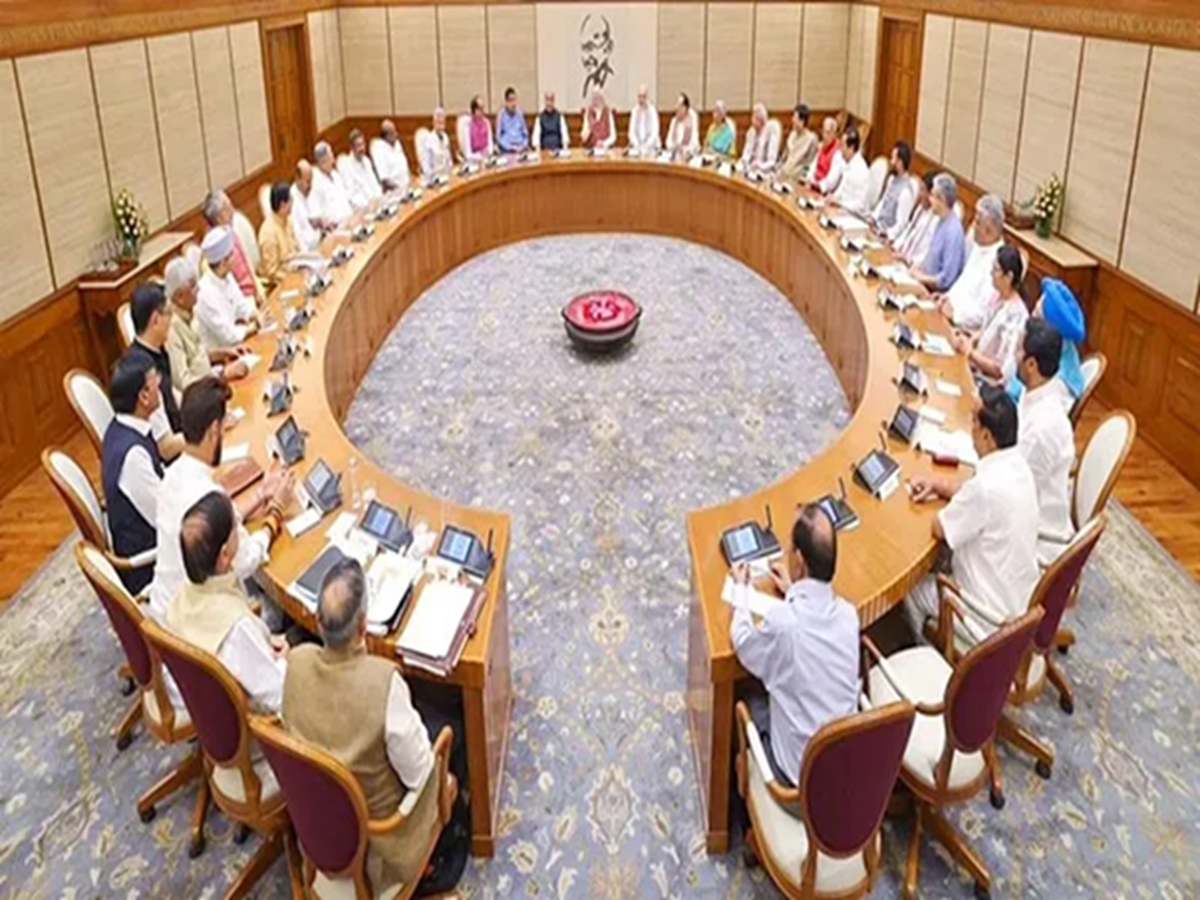
Union Cabinet: The Union Cabinet has given the green signal to many major decisions related to mobile production, semiconductor manufacturing, infrastructure, urea and railways.
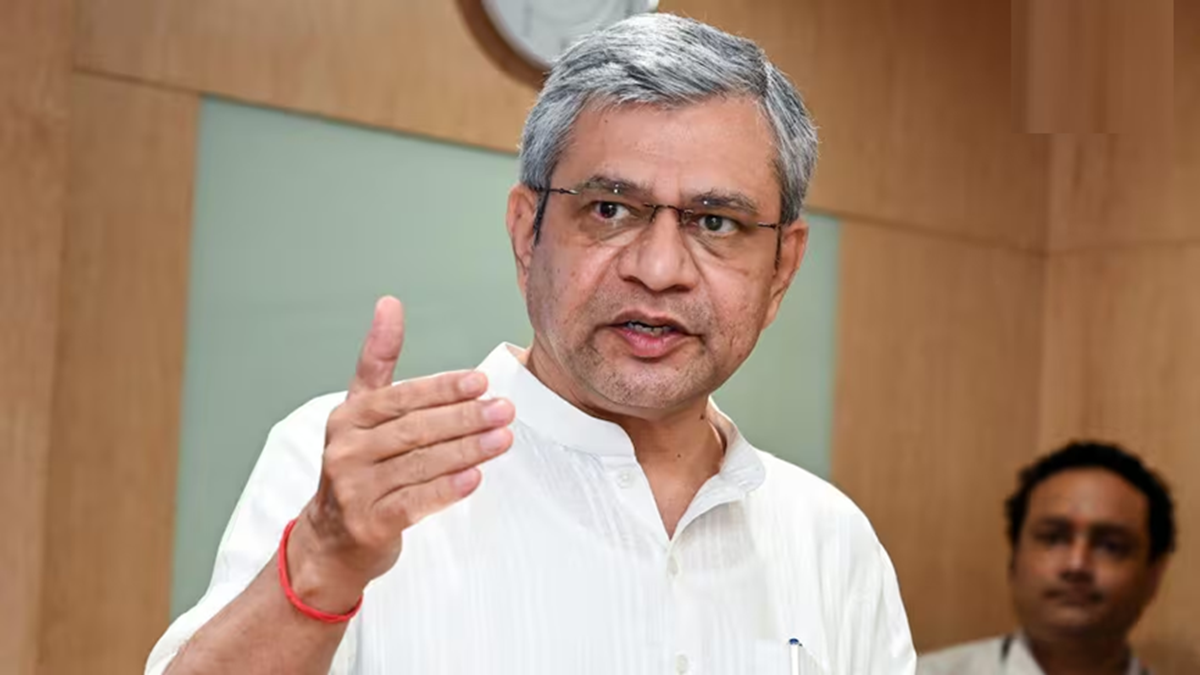
Several projects got the green signal in the Union Cabinet meeting.
The Union Cabinet on Wednesday (July 15, 2026) approved the second phase of the "India Semiconductor Mission" with an outlay of ₹1.27 lakh crore. Additionally, a new six-lane elevated corridor between NH-19 and the Varanasi Ring Road was approved at a cost of ₹14,447.64 crore. Union Minister Ashwini Vaishnav stated that a 43.218-kilometer-long six/four-lane elevated corridor connecting NH-31 to the Varanasi Ring Road has been approved, costing ₹10,998.32 crore.
These projects have been given the green signal in Kashi.
Union Minister Ashwini Vaishnav said, "Kashi receives approximately 150 million tourists annually. A significant amount of infrastructure development has been undertaken, and today, two major approvals have been granted to advance infrastructure development to the next level. A complete six-lane and four-lane elevated corridor along the Varuna River has been approved. This is a significant project. This will also create a six-lane elevated corridor along the Ganga in Kashi. Together, the Varuna Elevated Corridor and the Ganga Elevated Corridor will completely decongest the city's traffic."
62,500 crore approved for mobile manufacturing
The Cabinet has approved ₹62,500 crore for the second phase of the Production Linked Incentive (PLI) scheme for mobile phone manufacturing. Its objective is to increase domestic production and develop an Indian phone brand. Ashwini Vaishnav stated that this new incentive-based scheme is expected to generate exports worth approximately ₹15 lakh crore and 60,000 direct jobs. Vaishnav said, "The Cabinet has approved the second Production Linked Incentive (PLI) scheme for mobile phones. This scheme will be applicable for five years from FY 2026-27 to 2030-31."
The second phase of the 'India Semiconductor Mission' has been approved.
Union Minister Ashwini Vaishnav stated that ₹1.27 lakh crore has been approved for the second phase of the "India Semiconductor Mission," which will generate investments of approximately ₹4 lakh crore. According to the government, semiconductor production worth ₹2 lakh crore will occur during the plan period.
According to an official statement, the Union Cabinet, chaired by Prime Minister Narendra Modi, approved "SEMICON 2.0" to develop India's semiconductor design and manufacturing ecosystem. This new phase of the semiconductor program also provides incentives to suppliers of raw materials, such as minerals and gases, to the chip-making industry. "The Cabinet has approved the 'India Semiconductor Mission (ISM) 2.0' with a total outlay of ₹1.27 lakh crore," Vaishnav said.
The new plan covers the entire value chain of the semiconductor ecosystem. He said, "Semicon 2.0 will have six pillars. The first pillar will be chip design." The minister said that the program will focus on indigenous chip design, development, and production. He said, "By the end of this program, we will become self-reliant in indigenous chip production." The government had allocated Rs 76,000 crore for the first edition of the 'India Semicon Mission'.
Under Semicon Mission 1.0, the government has approved 12 projects with a total investment of approximately ₹1.64 lakh crore. Most of the investment in this sector has come from domestic technology company Tata Electronics and its semiconductor unit. This new scheme comes at a time when the world is grappling with a shortage of memory chips, and companies are working on plans to expand production capacity. The scheme is also expected to attract investment from other chip sectors to meet the chip needs for AI devices.
Government's decision regarding urea production
The Union Cabinet on Wednesday approved the National Investment Policy-2026. Its objective is to create an additional 10 million tonnes of urea production capacity in the country and make India self-sufficient in this most widely used fertilizer. Eight to nine new natural gas-based urea plants will be established under the new investment framework approved at a Cabinet meeting chaired by Prime Minister Narendra Modi.
Rail project approved
The Cabinet Committee on Economic Affairs (CCEA), chaired by Prime Minister Narendra Modi, has approved two major projects of the Railway Ministry, costing approximately ₹3,907 crore.
1. Paradip-Haridaspur: Railway line will be doubled.
2. Rajkharsawan-Dangoaposi: Construction of fourth railway line.
The government said, 'Increasing the number of tracks on these routes will increase the speed of trains, reduce congestion and make the service of Indian Railways better and more punctual than before.'