NEWS
US Visa Ban: What will happen if people from the 75 countries to which Trump has refused to grant visas go to America?
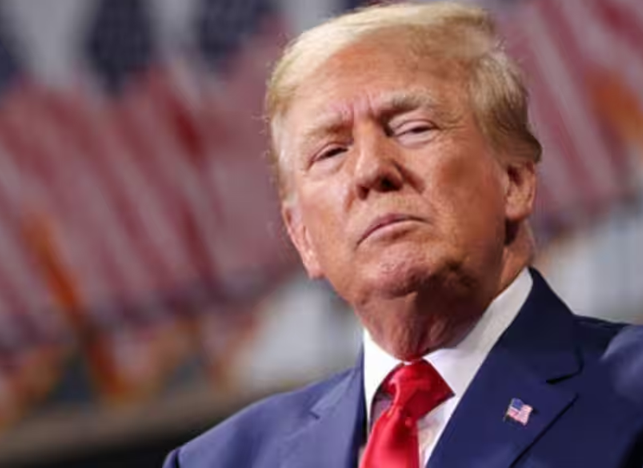
US Visa Ban: Recently, the Trump administration suspended visa processing for applicants from 75 countries. Let's explore what will happen if someone from these countries travels to the United States.
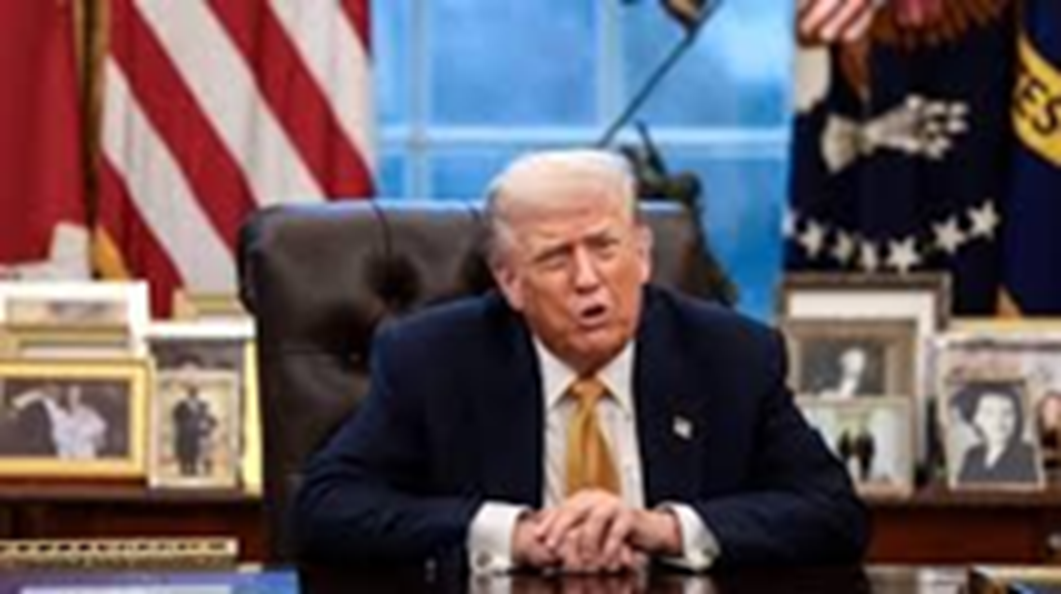
US Visa Ban: The United States' decision to suspend visa processing for applicants from 75 countries has sparked a major debate. This decision by the Trump administration will take effect on February 21st. Affected countries include Iran, Russia, and Afghanistan. Meanwhile, let's explore what will happen if people from these countries try to travel to the United States during this ban period.
Immediate impact on US borders and airports
The most direct consequence for most citizens of affected countries is denial of entry. If anyone arrives at a U.S. airport or border checkpoint without a valid, exempt visa, immigration officers have the authority to immediately deny entry. Such travelers are typically detained briefly for questioning and then returned to their country of origin or final departure point on the next flight. Having outdated documents or pending applications also does not guarantee entry.
Risk of detention and deportation
Immigration officials may detain individuals from restricted countries who attempt to enter the United States without permission or violate visa requirements. After processing, such individuals are typically deported. A deportation order can have serious consequences, including future travel restrictions or permanent ineligibility for a U.S. visa.
In some cases, travelers may also be questioned about their intentions, financial stability, family ties, and employment history to determine whether they pose a public charge risk.
Public charge rules and stricter screening
This policy is linked to the Trump administration's expanded interpretation of the public charge rule. Under this framework, visa officers assess whether an applicant can rely on government benefits in the future. Applicants who fail to demonstrate strong financial independence or private health coverage are more likely to be rejected.