
In view of the increasing cyber fraud in UPI and digital payments, banks have asked Fintech companies to strengthen the security of merchant verification and money transfer systems.
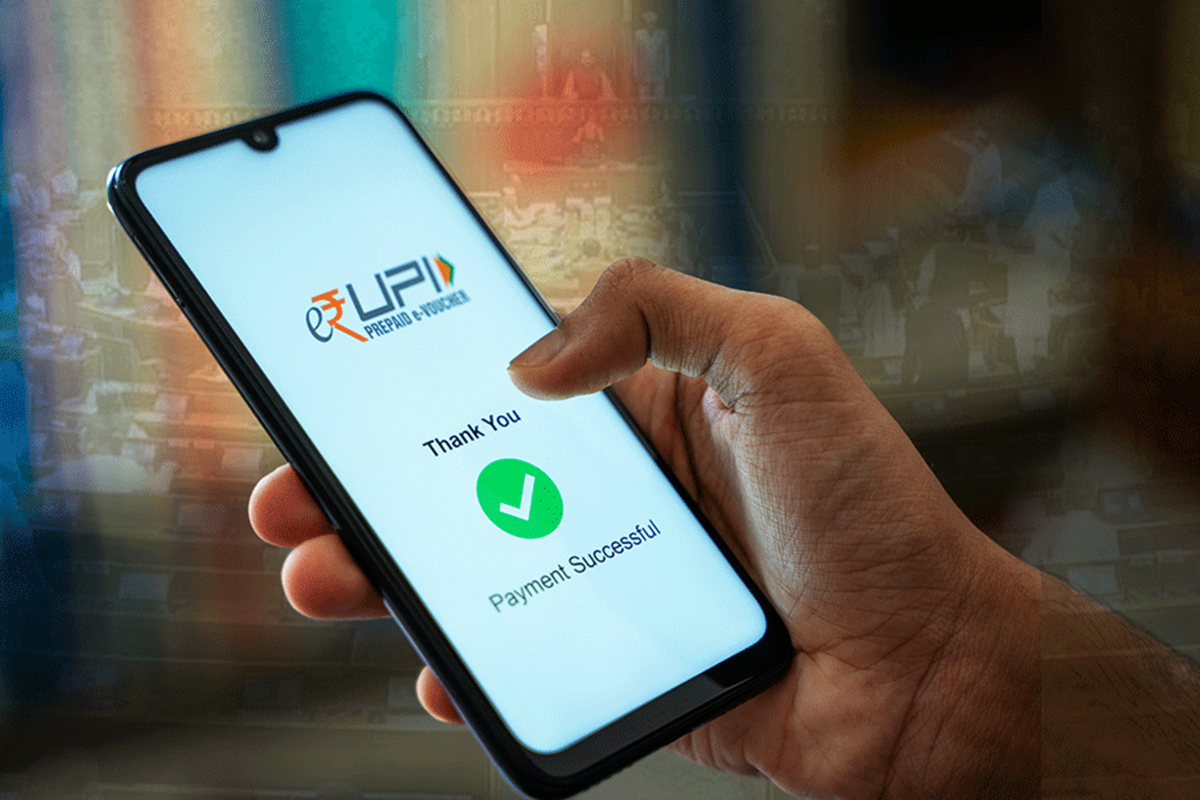
Digital Payment Fraud: Cyber threat to digital payments
Nowadays, everything from small purchases to large bills is done through UPI and other digital payments. This has made life easier for people, but with the rise of online payments, the risk of cyber fraud is also increasing. In light of this, banks are now working to strengthen the security of digital payment companies.
Banks have asked FinTech companies to tighten scrutiny of merchants and businesses joining their platforms. They have also advised increased monitoring of money transfer systems and verification before sending payments to new bank accounts. The question now is, what kind of fraud is happening in digital payments?
What have banks told Fintech companies?
Banks have become increasingly cautious about Fintech companies that facilitate digital payments and money transfers. They have instructed their partner Fintech companies to thoroughly vet new merchants before adding them to their platforms.
Additionally, the bank accounts to which businesses' funds are transferred have been re-verified. Banks have also been advised to increase control over the automated payout system. This system allows companies to send money to thousands of bank accounts simultaneously. If proper verification is not performed, cybercriminals could exploit the system and transfer funds to the wrong accounts.
What if your API Key is stolen?
An API Key is a private code that a merchant's software uses to issue payment instructions to a payment company. For example, an online merchant collects payments from customers through a payment company. The API Key helps the system identify that the payment instruction came from the rightful merchant.
The problem arises when these codes are stored on the merchant's server. If cybercriminals breach that server, they can steal the API Key and transfer funds as they see fit. This makes it difficult for payment systems to distinguish between genuine and fraudulent instructions. To mitigate this risk, payment companies are now frequently changing API Keys.