LIFESTYLE
Ultra-processed food is making people diabetic; research launched in Nepal could be a game-changer.
Diabetes affects a large population in India. Now, a major campaign is about to begin in Nepal. Let us tell you about it.

Why is diabetes increasing so rapidly in India?
Diabetes cases are rising rapidly in many countries around the world, including India. A landmark study led by the University of Glasgow, Scotland, is about to begin in Nepal, aiming to determine whether returning to traditional diets can prevent or even reverse type 2 diabetes. Researchers say that reducing processed foods and modest weight loss could prove to be a cost-effective solution for South Asia.
Type 2 diabetes is increasing rapidly.
Type 2 diabetes is rapidly increasing in South Asia and other low- and middle-income countries. Experts are now trying to understand whether modern, ultra-processed, and high-calorie foods are a major factor in the spread of the disease. To this end, the University of Glasgow, in collaboration with Dhulikhel Hospital in Nepal, has launched an international project called CoDIAPREM.
The conclusion will be reached in 4 years.
This four-year project will run from 2026 to 2030 and has received £1.78 million in funding from the Harvard Foundation. Led by diabetes and human nutrition expert Professor Michael Lean, the study will investigate whether adopting traditional diets at the community level can prevent type 2 diabetes and whether people already diagnosed can achieve long-term remission.
Cases also increased rapidly in Nepal.
Until a few decades ago, type 2 diabetes was rare in Nepal. Although genetic risk exists in South Asian populations, as the consumption of processed and energy-dense foods increased and people gained weight, the incidence of the disease also increased rapidly. Today, it is estimated that one in five people over the age of 40 in Nepal is affected by type 2 diabetes. The cost of long-term medication and regular checkups is difficult for many people to afford.
What will happen in this?
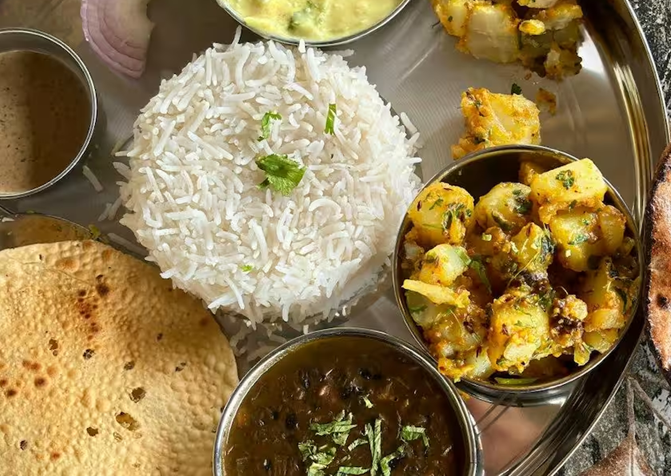
The CoDIAPREM project will investigate whether returning to traditional diets and reducing processed foods can lead to modest weight loss. Weight loss plays a key role in diabetes prevention and remission. This program will not be hospital-based, but will be run at the community level with the help of local volunteers, making it applicable even in areas with limited resources. The study will examine whether traditional diets can prevent new diabetes cases, whether patients can maintain normal blood sugar levels long-term without medication, and whether these changes are sustainable over many years. Initial pilot studies conducted in Nepal have shown encouraging results at a low cost.
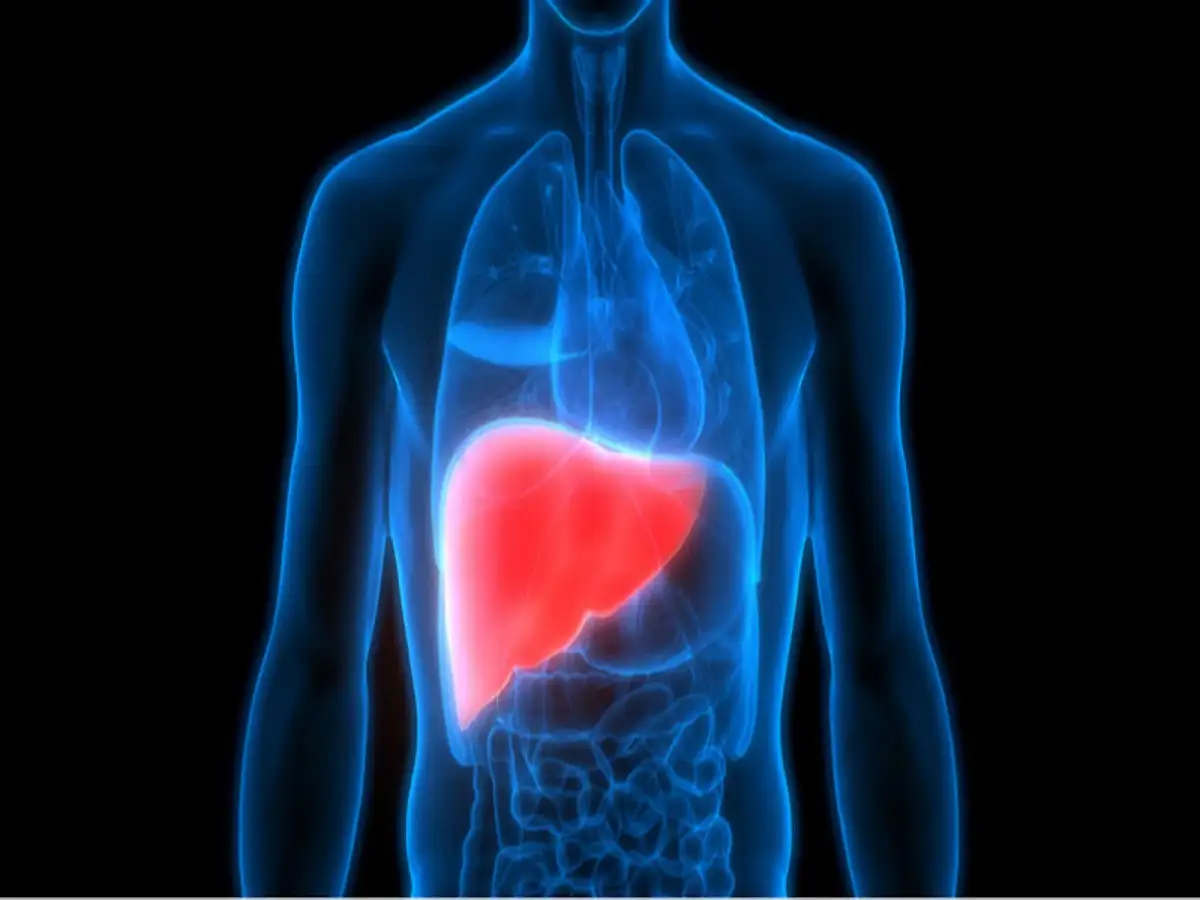
This research builds on global evidence showing a link between ultra-processed foods, obesity, and insulin resistance. According to the World Health Organization and the International Diabetes Federation, excess body fat damages organs like the liver and pancreas and impairs blood sugar control.