US President Says Talks Helped Prevent Further Escalation Near Beirut Amid Ongoing Regional Crisis
A new diplomatic development in the Middle East has raised hopes of reducing tensions along the Israel-Lebanon border. US President Donald Trump has claimed that recent discussions with Israeli and Lebanese representatives helped prevent a further escalation of hostilities involving Israel and Hezbollah.
The announcement comes at a time when the region continues to face heightened instability due to ongoing conflicts involving Israel, Hezbollah, and Iran. While fighting has not completely stopped, Trump said both sides had agreed to scale back military actions, potentially reducing the risk of a broader confrontation.
Trump Says Netanyahu Agreed to Avoid a Beirut Operation
In a series of social media posts, President Trump described his recent conversation with Israeli Prime Minister Benjamin Netanyahu as productive and constructive.
According to Trump, Israel agreed not to send troops into Beirut, and any military units that were reportedly moving in that direction were ordered to turn back. He presented the move as an effort to prevent a major escalation in Lebanon's capital and surrounding areas.
The statement drew significant international attention because concerns had been growing over the possibility of expanded military operations in and around Beirut following recent clashes between Israeli forces and Hezbollah fighters.
Hezbollah Reportedly Open to Halting Attacks
Trump also stated that communication had taken place with Hezbollah through intermediaries and that the group had expressed a willingness to stop attacks against Israel.
According to reports, Lebanese officials conveyed that Hezbollah was prepared to suspend military actions if Israel refrained from targeting Beirut and its southern suburbs. The proposal was viewed as part of wider efforts to reduce cross-border violence and restore stability in the region.
However, officials from both sides have made statements suggesting that any understanding remains fragile and dependent on developments on the ground.
Ceasefire Efforts Face Challenges
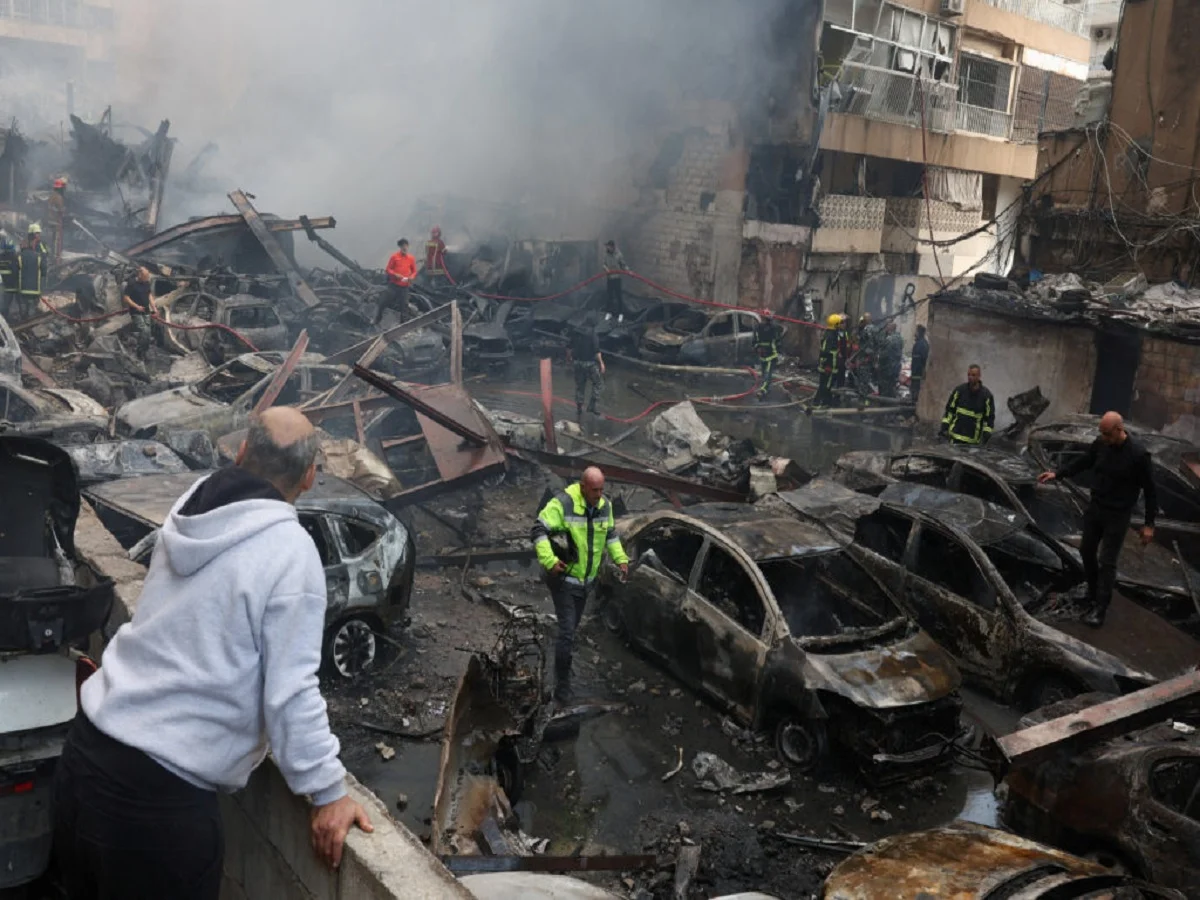
Despite the diplomatic claims, reports indicate that military exchanges did not immediately cease. Israeli strikes and Hezbollah attacks were reported even after Trump's announcement, highlighting the difficulty of achieving a lasting truce in the region.
Israeli officials have maintained that military operations could continue if attacks against Israeli territory persist. Prime Minister Netanyahu also indicated that Israel reserves the right to respond to threats originating from Lebanon.
As a result, analysts caution that while diplomatic progress may have been made, a comprehensive and durable ceasefire has not yet been formally secured.
Iran Suspends Indirect Talks With the United States
Meanwhile, another major development emerged from Tehran. Reports indicate that Iran suspended its indirect communications and message exchanges with the United States following concerns over Israeli military actions in Lebanon.
Iranian officials have reportedly argued that achieving stability in Lebanon is essential for broader regional peace efforts. The move has added another layer of complexity to ongoing diplomatic negotiations involving multiple countries and regional actors.
Regional Stability Remains Uncertain
The conflict along the Israel-Lebanon border has already displaced large numbers of civilians and contributed to growing concerns about regional security. International leaders continue to push for diplomatic solutions that could prevent a wider conflict across the Middle East.
While Trump's statements have generated optimism about a possible reduction in hostilities, the situation remains fluid. Observers say the coming days will be critical in determining whether the reported understandings between Israel and Hezbollah can develop into a more formal and sustainable ceasefire.
For now, diplomatic channels remain active, and the international community continues to closely monitor developments that could shape the future of stability in Lebanon and the broader Middle East.