LIFESTYLE
Tree of Death: Standing under this tree during the rain could cost you your life. Learn the truth about the 'Tree of Death'.
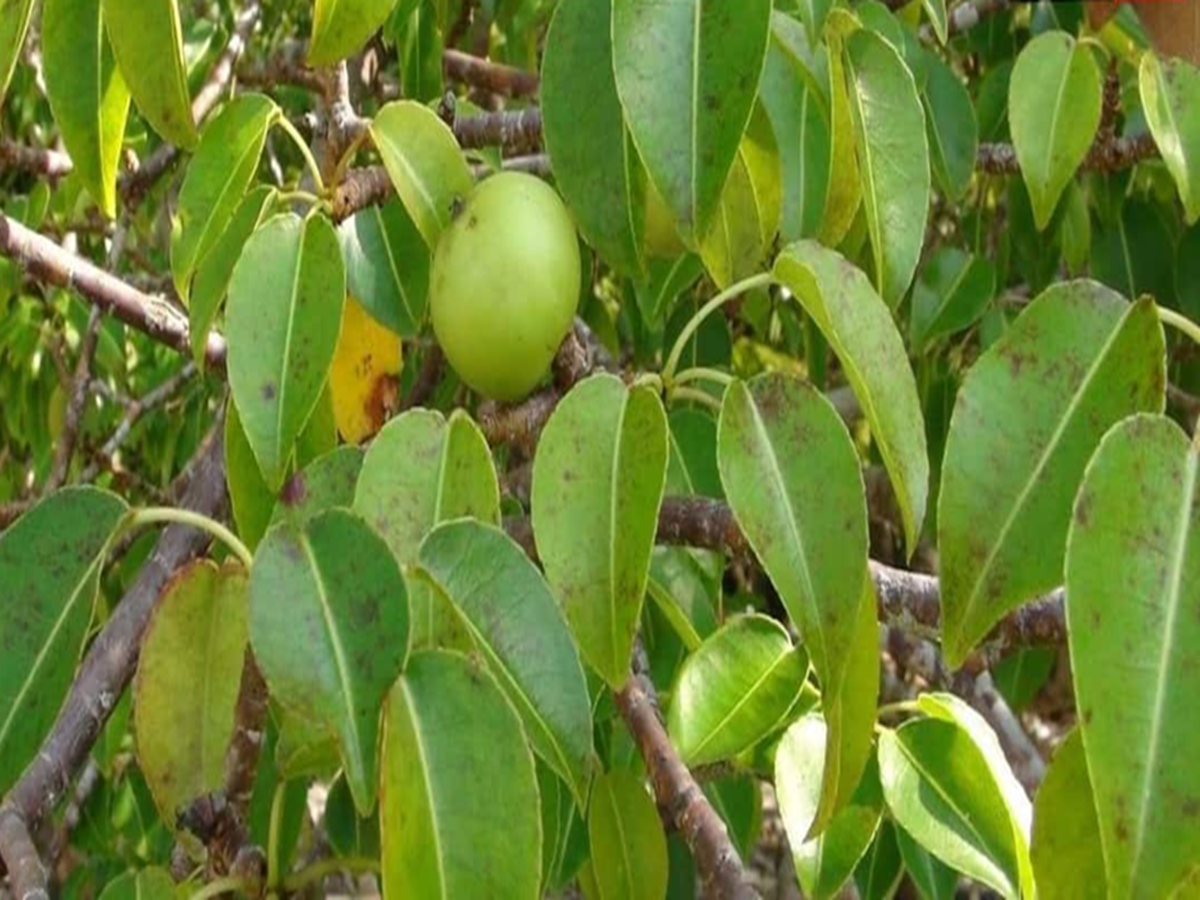
Toxic Tree Effects On Humans: Many plants attract us with their colorful flowers and delicious fruits, but there are some that stand silently and hide such risks within themselves.
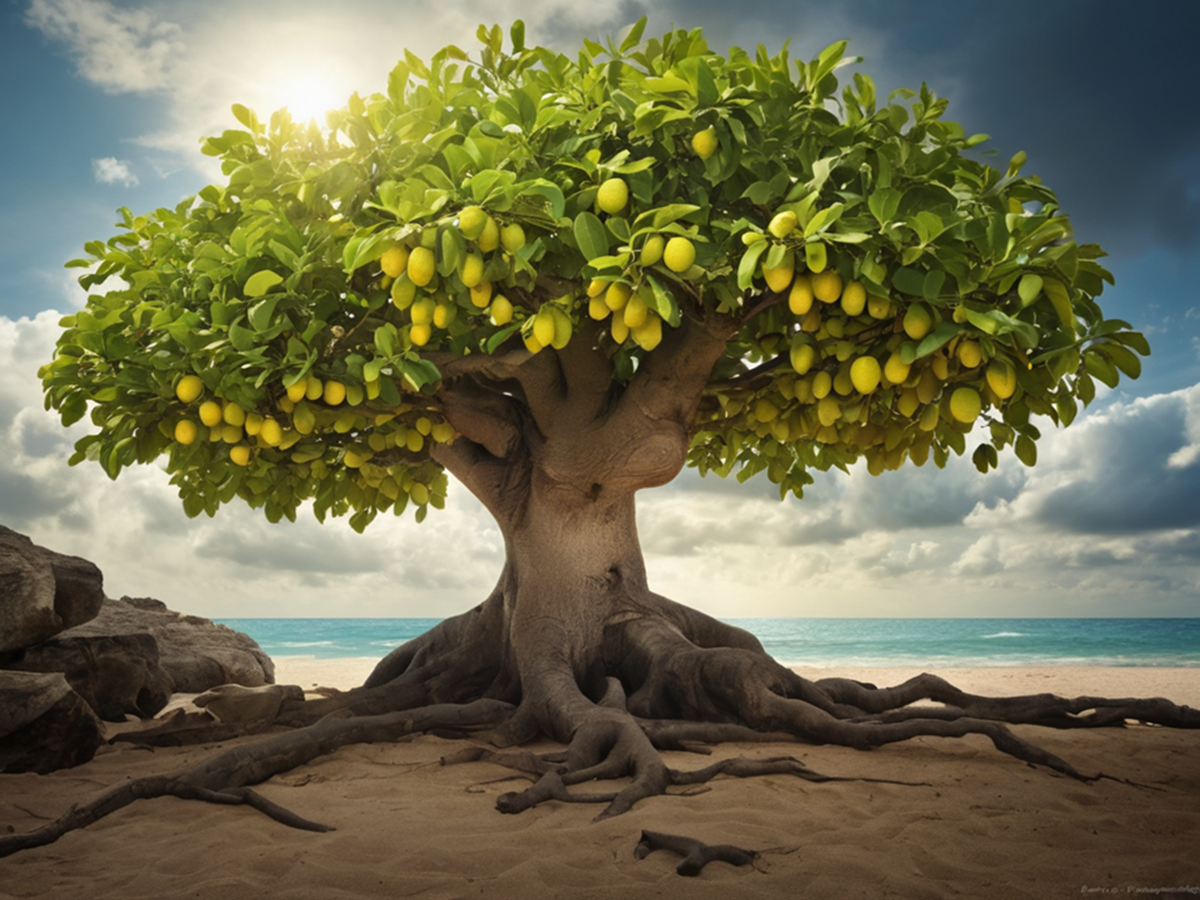
Is the manchineel tree really deadly?
Is Manchineel Tree Really Deadly? Nature always maintains a balance, where on one hand there is beauty and life-giving things, on the other hand there are dangers lurking. A startling example of this balance is the Manchineel tree, known as the "Tree of Death." Found on the seashore, this tree is as ordinary as it appears, yet equally dangerous. Let us tell you about it.
Many plants attract us with their colorful flowers and delicious fruits, but some stand silently, harboring dangers that could cause serious harm to the unwary. From beaches to dense forests, many plants have evolved unique abilities to protect themselves. This is why approaching them requires curiosity as well as caution.
What is the Tree of Death?
Foremost among these dangerous plants is the manchineel, known as the "Tree of Death" due to its poisonous nature. Its name comes from the Spanish word "manzanilla," meaning "little apple," because its fruit resembles small apples. But this seemingly innocent fruit hides a deadly secret.
Where can we find trees?
This tree is primarily found in the Caribbean, Florida, the Bahamas, Central America, and northern South America. It can grow from 15 to 50 feet tall and sometimes resembles a shrub. Its most dangerous feature is that every part of it—the bark, leaves, sap, and fruit—contains toxic compounds.
What is the problem with this?
Even approaching this tree can be risky. It's advisable to avoid standing beneath it during rain, as the water falling from its leaves can be toxic and cause skin irritation or blisters. According to a report from the University of Florida, its milky sap can cause skin irritation, severe itching, headaches, and even breathing problems. Even the smoke from burning its wood can cause eye irritation and temporary blindness.
Little Apple of Death
Its fruit is also known as the little apple of death. Initially, it tastes sweet, but soon after, it causes a burning sensation in the mouth, sore throat, and difficulty swallowing. Radiologist Nicola Strickland described her experience as a severe burning sensation in the mouth and tightness in the throat, which gradually became extremely painful. Its effects can include vomiting, bleeding, and even serious damage to the digestive system.
Despite its danger, this tree is essential to nature. Its roots strengthen coastal soil and prevent erosion. Furthermore, some animals, such as iguanas, eat its fruit without harm and even build their nests on it.