LIFESTYLE
Toilet Yellow Stains: Toilet stains persist even after repeated scrubbing. Learn the real reason.
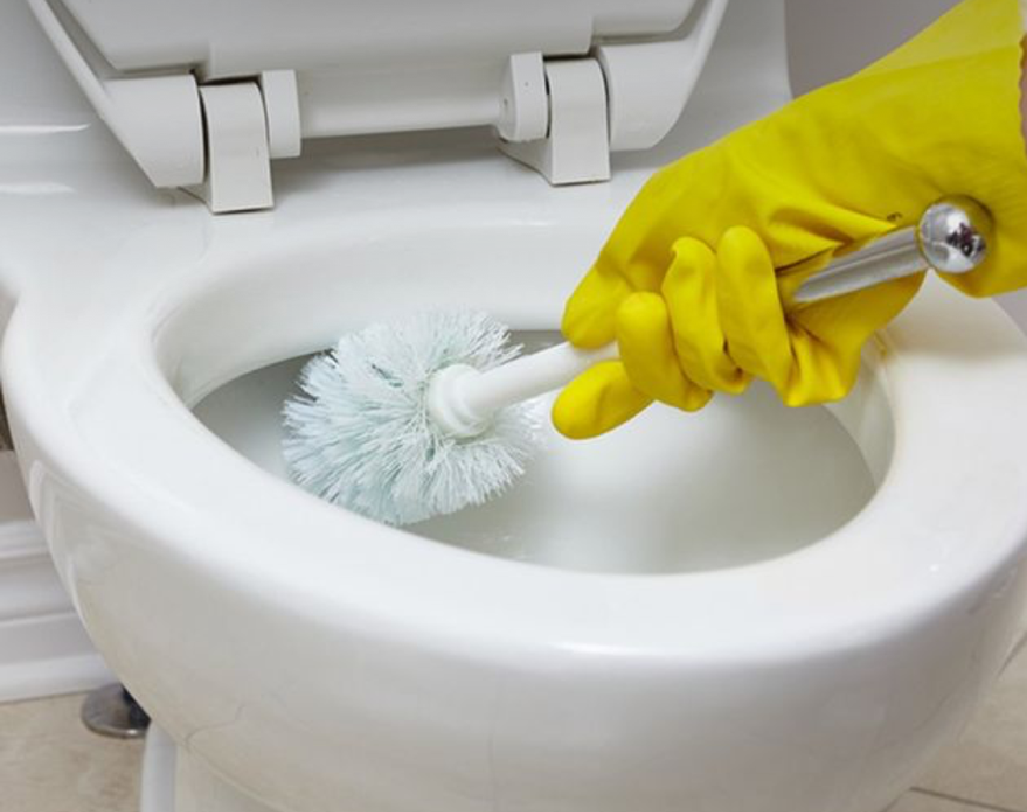
Toilet Cleaning Tips: Many people clean the toilet regularly and scrub it thoroughly with a brush, yet yellow marks or rings remain visible on the toilet bowl.
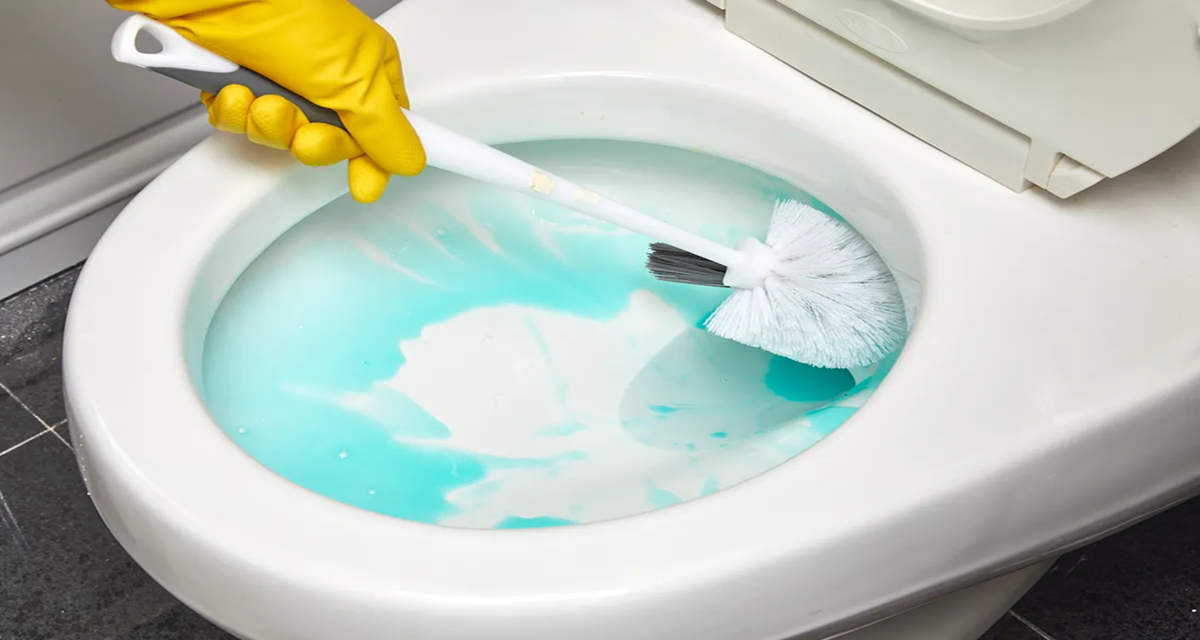
Tips to clean yellow marks from the toilet bowl
How to Remove Yellow Stains from Toilet Bowl: Cleaning the toilet is one of the most important household chores. Many people clean the toilet regularly and scrub it thoroughly, but despite this, yellow marks or yellow rings still appear on the toilet bowl. Often, even after repeated scrubbing, these marks don't completely disappear. Therefore, it's not right to blame only dirt. Minerals in the water can also be responsible for yellow marks on the toilet bowl.
Toilet bowls can often develop stains of varying colors due to minerals, rust, copper, and mold. The color of the stain can be a good indicator of the underlying cause. Therefore, it's important to understand the underlying cause before removing any stain.
Why are yellow marks formed?
If you're seeing a white, yellow, or brown ring on your toilet bowl, hard water could be a major culprit. Hard water contains high levels of minerals like calcium, magnesium, and limescale. Water is constantly in contact with the toilet bowl. Over time, these minerals can accumulate on the surface and form yellow or brown marks.
This is why yellow stains often persist even after a thorough scrubbing with a toilet brush. The mineral deposits can harden over time, making them difficult to remove with simple cleaning.
Understand the reason from the color of the stain.
Not every stain on a toilet is caused by hard water. If you see dark orange or red marks on the bowl, it could be due to rust. Old or corroded pipes can introduce rust into the water, which gradually stains the toilet's white surface.
Meanwhile, blue or green stains can be caused by high copper levels in the water or corrosion of copper pipes. If small black or green spots appear in the toilet and there's a musty smell, it could be due to mold. High humidity in the bathroom and lack of regular cleaning can exacerbate this problem.
How to clean new yellow marks?
If yellow stains are just beginning to form on your toilet, baking soda can be used to clean them. Its slightly abrasive texture can help remove the initial layer of dirt and minerals that have accumulated on the surface. It can also be useful in reducing odors.
To do this, pour about one cup of baking soda into the toilet bowl. Then, add about one and a half cups of white vinegar. When the two mix, foam will form. Let it sit for a while. If the stains are light, you can flush the toilet after a while. If the stains are old, you can leave the mixture on for a longer time and then scrub with a brush.
What to do with old and stubborn scars?
Yellow or brown stains that have accumulated over several months can be a little more difficult to remove. Prolonged deposits can create a thick layer of minerals. In such cases, diluting the water in the toilet bowl before cleaning allows the cleaning product to come into direct contact with the stain. Afterward, use a toilet cleaner designed for the toilet according to the label instructions. After letting the cleaner sit on the stain for a while, scrub with a toilet brush. For particularly stubborn mineral deposits, a porcelain-safe pumice stone can also be used. It's important to wet it thoroughly with water first and use it very gently to avoid damaging the toilet surface. Avoid mixing two different cleaning chemicals. In particular, bleach and acidic toilet cleaners should never be used together, as this can create dangerous gases.
How to prevent yellow marks from forming again?
The easiest way to avoid yellow stains is regular cleaning. Thoroughly cleaning your toilet at least once a week can help reduce the likelihood of a thick layer of mineral deposits forming. If you have hard water in your home, leaving long gaps between cleanings can cause yellow stains to reappear.