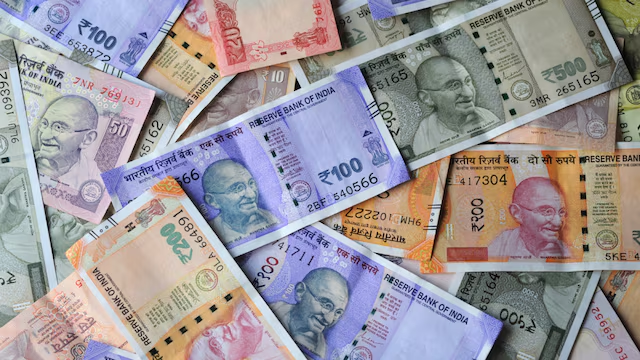
Indian Currency Printing: This is from the last years of the 90s, when the Indian government secretly decided to get the notes printed from abroad. This decision was taken by the then Prime Minister. This decision was taken on 08 May 1997. It was taken in such a secretive manner that the country did not even get a hint of it for a long time.
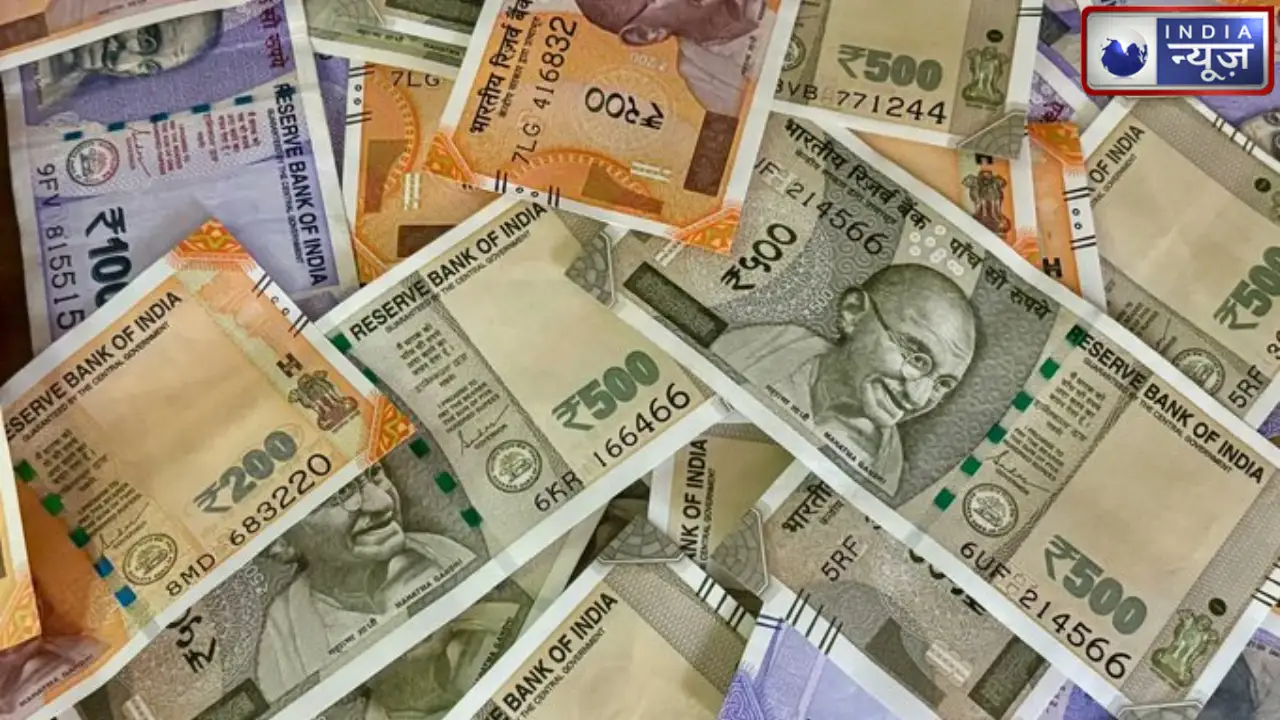
India News, Indian Currency Printing: This is from the last years of the 90s, when the Indian government secretly decided to get the notes printed from abroad. This decision was taken by the then Prime Minister. This decision was taken on 08 May 1997. It was taken in such a secretive manner that the country did not even get a hint of it for a long time. When it came to light, everyone was shocked. For the first time, the government had decided to get the Indian currency printed abroad. After that, the Indian currency rupee kept coming from abroad for years. Actually in 1997, the Indian government realized that not only the population of the country has started increasing, but economic activities have also increased.
To deal with this, more currency needed to flow in the Indian economy. Both the currency printing machines of India were insufficient to meet the increasing demand. In 1996, the United Front government was formed in the country. HD Devegowda became the Prime Minister. Devegowda decided to get the Indian currency printed abroad. This was the first and last time after independence when Indian currency had to be printed abroad.
It was being printed from many countries
After consulting the Reserve Bank of India, the central government decided to get Indian currency printed by American, Canadian and European companies. For many years, a large part of Indian currency was printed abroad. This was a very expensive deal. India had to spend several thousand crores of rupees for this.
There was also a security risk
It is said that the government then decided to print 360 crore currency notes abroad. 9.5 crore dollars were spent on this. This was criticized a lot. It was feared that the security of the country's currency was also at risk. Therefore, the work of printing notes abroad was soon stopped.
The Indian government decided to open two new currency presses. Currency printing presses were opened in Mysore in 1999 and Salboni (Bengal) in 2000. This increased the capacity of printing notes in India.
currency paper
To meet the demand of currency paper, Paper Security Paper Mill was opened in Hoshangabad in 1968. Its capacity is 2800 metric tons. But this capacity is not able to meet our total currency production demand. Therefore, we had to import the remaining paper from Britain, Japan and Germany.
note paper
After this, a new production line was set up in Hoshangabad to meet the growing demand. The second printing press started working in Mysore. Now all the demand for currency paper is met from here. The paper for the 500 rupee notes printed in our hands is made in India itself. The special paper for the discontinued 2000 rupee note was also made here. Until some time ago, a large part of the paper used in Indian notes came from Germany and Britain.
However, RBI did not disclose where this special paper is made. The special watermarked paper most commonly used in notes came from Germany's Griesef Devrient and Britain's Delarue company, which is now being produced in India.
Now everything is in the country
90 years ago, the first currency printing press in India was started in Nashik. Then the British started printing currency here. After independence, all the notes of India were printed from here. A large part of currency paper and ink was imported from abroad, but now the government claims that all these essential things have started being made in the country itself.
Where did they come from 150 years ago?
When the British colonial government first issued rupee notes in India in 1862, it sourced them from U.K.-based Thomas De La Rue, which started out printing playing cards and postage stamps before entering the currency business. The 200-year-old company, now known as De La Rue, is the world's largest commercial banknote printer. The company also manufactures the paper used to print the notes.
The British decided to print money in India
In the 1920s, the British decided to print money in India. In 1926, they began building the region's first currency printing press in Nasik, Maharashtra. According to Rezwan Razak, co-author of "The Revised Standard Reference Guide to Indian Paper Money," the city was chosen because of its stable climate and proximity to a major railway line that connected it to the rest of India.
Two years later, the Nasik press began printing Rs 5 notes with the same design that was first brought from England. Over the next few years, the press began printing Rs 100, Rs 1,000 and even Rs 10,000 denomination notes with new designs.