NEWS
The Middle East unrest has increased the heat in restaurant kitchens, raising the risk of layoffs and salary crunches.
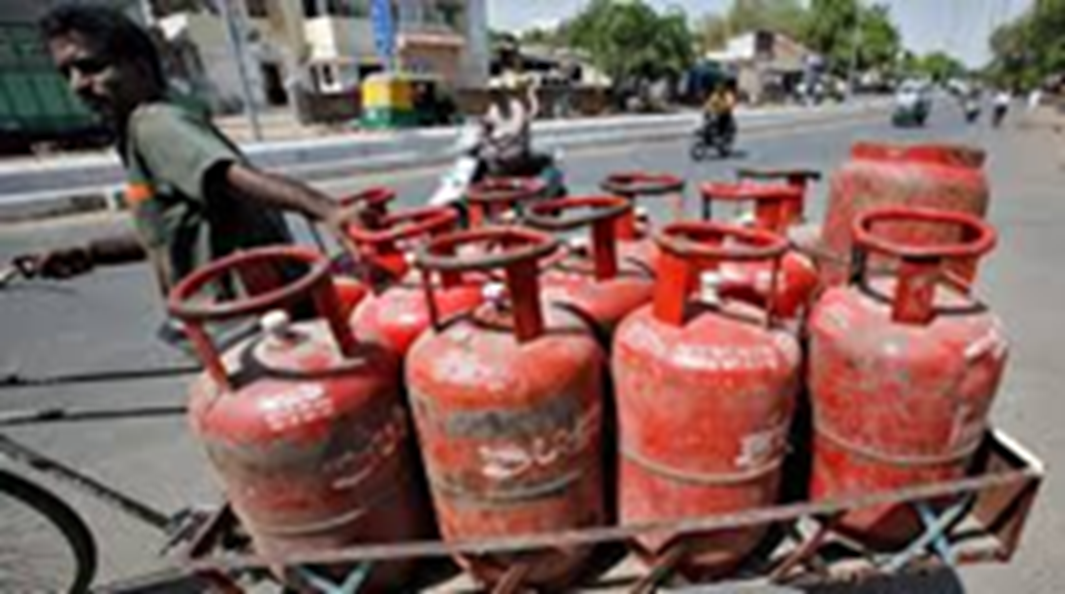
Despite the government's assurance of improving LPG availability, people associated with the restaurant and catering industry say that they are not getting adequate supply of commercial LPG cylinders.
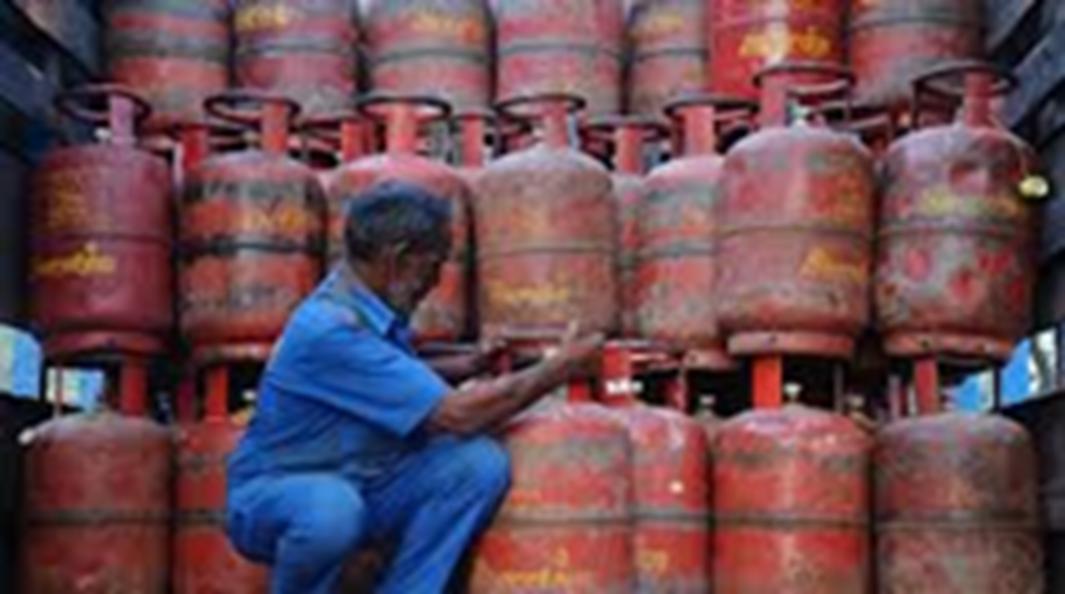
The LPG crisis has added to the woes of restaurant operators and caterers.
LPG Crisis: Escalating tensions in the Middle East have created a global crisis, the effects of which are now clearly visible in India's food service sector. The primary reason for this is the severe shortage of Liquefied Petroleum Gas (LPG). The blockage of the Strait of Hormuz has increased the risk of the LPG crisis in India deepening. If this war continues for a long time, it could lead to layoffs, salary cuts, and serious business impacts.
How big a crisis?
Despite the government's assurance of improving LPG availability, people associated with the restaurant and catering industry say that they are not getting adequate supply of commercial LPG cylinders.
This is making it increasingly difficult for them to continue their operations. Many businesses say the situation is uncertain, and it is unclear when normalcy will return.
Speaking to The Economic Times, restaurant owner Anjan Chatterjee explained that the entire sector is currently in a state of panic. He warned that if the situation doesn't improve, the industry's lower-level employees will be the most affected.
Who is most affected?
Small restaurants, roadside eateries, caterers, and cloud kitchen operators are facing the greatest hardship. Many of these have already closed their businesses. Sagar Daryani, president of the National Restaurant Association of India, says that small businesses are unable to absorb the losses and may be forced to resort to layoffs. While larger players may be able to absorb losses for a while, this will impact many aspects of their operations.