NEWS
Sugar Import: The sweetness of festivals will not fade; the government has approved the duty-free import of sugar.
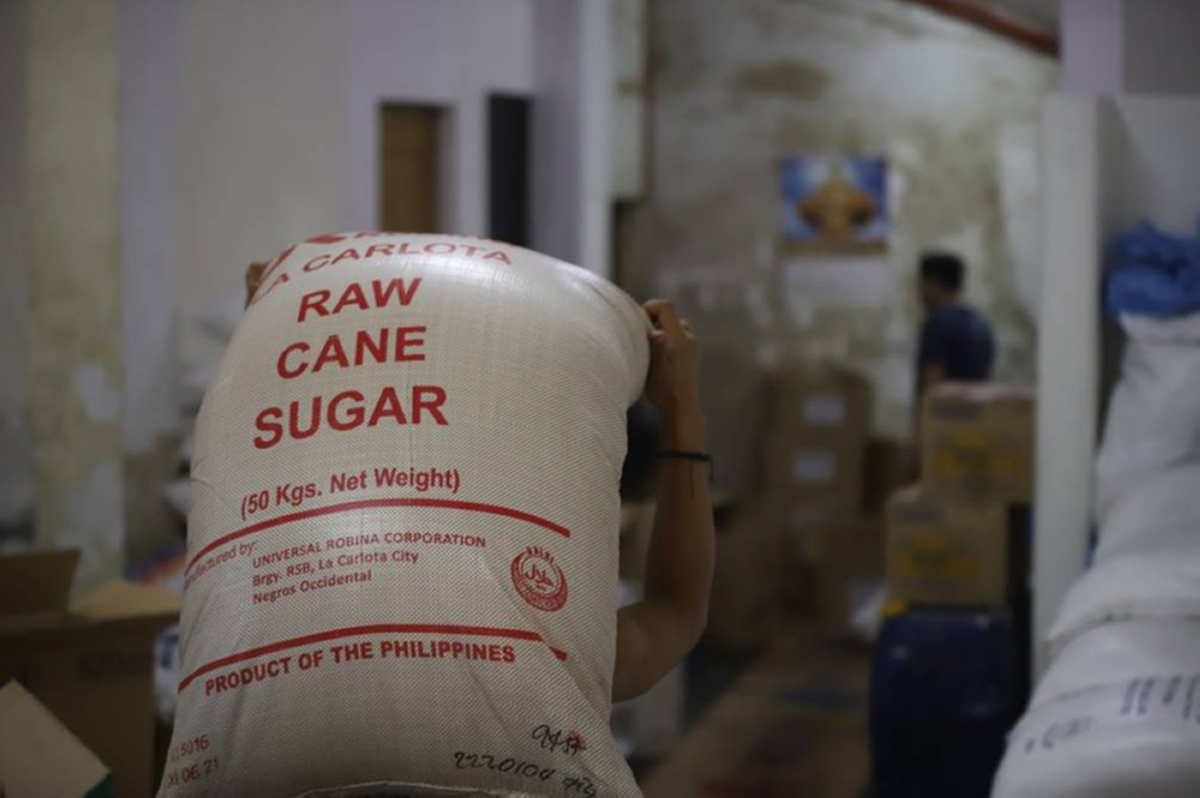
Sugar Import: With the festive season approaching, sugar prices are also seeing a surge. To control this, the government has now made sugar imports free.
10 lakh tonnes of sugar will come into the country
Sugar Import News: Just before the festive season, the government has taken a major step to control rising sugar prices. The Directorate General of Foreign Trade (DGFT) issued a notification on Thursday temporarily lifting the duty wall on raw sugar imports. Sugar prices have been steadily rising for the past few weeks. In early August, retail sugar prices reached ₹48 to ₹50 per kg, while wholesale prices were hovering between ₹4,750 and ₹4,800 per quintal.
Now, 1 million tons of raw sugar can be imported into the country without any import duty until October 31, 2026. This exemption is granted under the Tariff Rate Quota (TRQ), which means this facility will be available only up to a certain quantity, after which the old duty will revert to the applicable tariff.
Earlier, the import policy was free but no separate condition was mentioned; now the policy will still remain free, but a condition has been added to it that the duty free tariff rate quota of 10 lakh metric tonnes will remain applicable till 31 October 2026.
One-time opportunity for those with advance authorization
Companies that have already been issued an Advance Authorization under the TRQ Scheme are given a one-time option to convert their authorization from the Advance Authorization Scheme to the TRQ Scheme. This option will be available for the quantity of raw sugar actually imported as of the date of the notification, including refined sugar produced from that raw sugar and subsequent refined sugar production.
This exemption isn't free. This change requires companies to pay the GST they were exempted from upon import. Furthermore, the condition is that refined sugar made from imported raw sugar must be sold in the domestic market by October 31, 2026. This means something straightforward. Previously, port-based refineries were allowed to import duty-free raw sugar on the condition that they export an equal amount of refined sugar. Now, the government wants to divert that sugar to the domestic market instead of exporting it, thereby increasing supply immediately.
The DGFT will detail the implementation of TRQ and the transition from Advance Authorization to TRQ through a separate public notice. This means that who will be able to import, how quotas will be distributed, application deadlines, and how much mills will receive are all open questions for now.
Wholesale prices in Kolhapur have risen nearly 20% since the beginning of August, reaching a record high of Rs 5,350 per quintal! Interestingly, India is the world's second-largest producer and largest consumer of sugar. If this import happens, it will be the first time in nearly ten years that India will import sugar from abroad.
There are several reasons linked to the rise in prices.
Poor rainfall in Maharashtra and Karnataka has raised questions about next season's production. Another major factor is ethanol. Due to the government's blending program, a large portion of sugarcane and sugar is being diverted to ethanol production, reducing the availability of sugar in the market. The government is also considering imposing a ban on sugarcane used for ethanol in the season starting in October to increase sugar production. The third factor is festivals. Ganesh Chaturthi, Dussehra, and Diwali are falling one after the other, and during these times, consumption of sweets, processed foods, and domestic consumption increases rapidly.
Exports had already been halted;
this isn't the first step. The government has already restricted sugar exports. Through a notification issued on May 13, 2026, the export of raw sugar, white sugar, and refined sugar was moved from the Restricted category to the Prohibited category, which is effective until September 30, 2026.
Additionally, a stock limit order has been implemented from August 1, 2026, to November 30, 2026. This means the government first halted exports, then imposed stock limits, and now has opened the door to imports. All three measures aim to control sugar prices during the festive season. India is importing at a time when the international market itself is tight. This could make imports more expensive, and the relief in domestic prices may not be as rapid.
This is expected to be a relief for consumers, as increased supply may soften prices. For sugar mills, this is mixed news – mills that operate refineries will receive cheaper raw materials, but mills holding stocks will fear falling prices. Sugarcane farmers will be concerned that falling domestic prices will impact mill earnings and may slow the pace of repayment of sugarcane dues.
This is a warning sign for the ethanol industry, as the government's focus currently appears to be on sugar availability, not ethanol. Since the 2022-23 price of ethanol was fixed, sugarcane prices have increased by approximately 16%, while ethanol prices have remained unchanged.