LIFESTYLE
Stubborn Stains Won’t Go Away with Water and Soap? Try These 5 Easy Tricks to Make Your Bucket Shine Like New
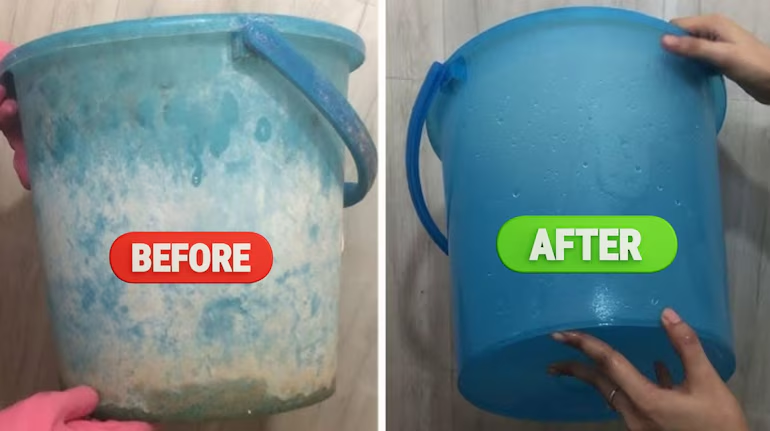
Bathroom buckets and mugs are everyday essentials in most Indian homes. From bathing to cleaning, they are used multiple times a day. However, constant exposure to water, soap, and moisture often leads to white mineral deposits inside the bucket and dark stains or patches on the outside. Over time, if these stains are ignored, buckets and mugs can also develop fungus, bad odor, and discoloration, making the bathroom look unhygienic.
Many people believe that scrubbing harder with soap is enough, but in reality, regular water and detergent often fail to remove stubborn stains completely. The good news is that you don’t need expensive chemical cleaners to restore their shine. With the right home remedies and simple techniques, you can easily make your bucket and mug look almost new again.
Here are five simple, effective, and affordable cleaning tricks that work wonders—even on tough stains.
1. Baking Soda and Vinegar: The Most Powerful Cleaning Combo
One of the easiest and most effective ways to clean dirty buckets is by using baking soda and vinegar. Baking soda acts as a gentle scrub, while vinegar helps break down mineral deposits and grime.
How to use it:
- Mix baking soda with a little vinegar to form a thick paste.
- Apply this paste inside and outside the bucket and mug.
- Let it sit for 5–10 minutes.
- Scrub gently with a brush or scrubber.
- Rinse thoroughly with clean water.
This method removes white scaling, soap residue, and dullness, leaving the bucket visibly brighter.
2. Lemon Juice for Dark and Black Stains
Lemon is a natural cleaning agent due to its acidic properties. It works especially well on black stains and hard water marks.
How to use it:
- Mix detergent, water, and fresh lemon juice in a bowl.
- Soak the bucket and mug in this solution for some time.
- Scrub with a brush and rinse well.
Lemon not only cleans effectively but also leaves behind a fresh, pleasant smell.
3. Bleaching Powder for Stubborn and Old Stains
If stains are extremely stubborn and refuse to go away, bleaching powder can be used carefully.
How to use it:
- Mix a cup of bleaching powder with a little water to form a paste.
- Apply it to stained areas of the bucket and mug.
- Scrub lightly and leave it for a few minutes.
- Rinse thoroughly with water.
⚠️ Safety Tip: Always wear gloves while using bleach and ensure proper ventilation.
This method is highly effective for removing deep-set stains and mold marks.
4. Hydrogen Peroxide for Extra Shine on White Buckets
For white plastic buckets and mugs, hydrogen peroxide works like magic. It helps remove yellowing and restores brightness.
How to use it:
- Mix a small amount of hydrogen peroxide with water.
- Apply it using a brush or sponge.
- Scrub gently and rinse well.
This technique is particularly useful if your white bucket has lost its original shine over time.
5. Dish Soap, Baking Soda, and Lemon Juice (All-in-One Method)
If you want a quick and complete cleaning solution, combine multiple ingredients.
How to use it:
- Mix dishwashing soap, baking soda, and lemon juice to form a paste.
- Apply it all over the bucket and mug.
- Leave it for 5–10 minutes.
- Scrub and rinse thoroughly.
This combination cleans grease, stains, and odor all at once, making plastic items look almost brand new.
Why Regular Cleaning Matters
Cleaning buckets and mugs regularly is not just about appearance. Moist and dirty bathroom items can become breeding grounds for bacteria and fungus, which may affect hygiene and health. Using these methods once a month is enough to keep them clean, stain-free, and fresh.
The best part? All these solutions use easily available household ingredients, saving you money on expensive cleaners while maintaining bathroom cleanliness.
Final Tip
Consistency is key. Regular maintenance prevents stains from becoming stubborn and ensures your bathroom always looks clean and healthy.
Disclaimer: This article is meant for general household cleaning information only. Always handle chemical substances like bleach carefully and keep them away from children.