LIFESTYLE
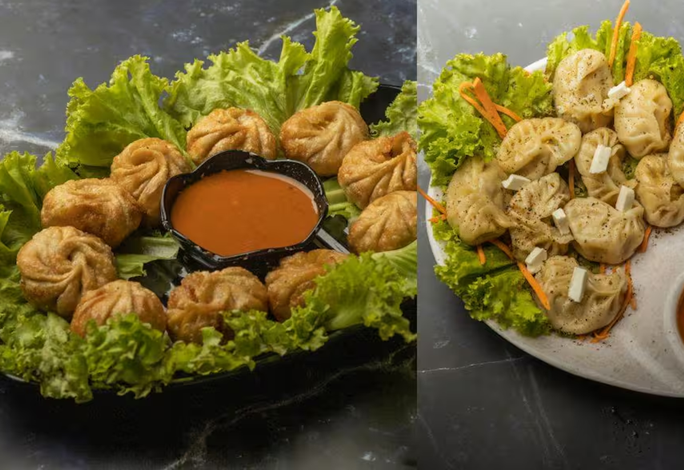
Steamed Momo's Vs Fried Momo's: Is steamed momo better or fried momo or both? Know which can cause how much harm?

Are Momos Healthy or Harmful? Momos are a favorite among many people these days, and they are eaten with great relish. However, they also pose health risks. Let us explain how and to what extent they can be harmful.
Disadvantages of eating momos
Steamed Momo's or Fried Momo's: Which Is Better? If prepared properly, then momos can be considered one of the best options in street food. Hot momos kept in bamboo baskets, the aroma of spices emanates as soon as the lid is lifted. Nowadays, they have become a favorite comfort food of people in every street. Despite this, they are considered dangerous for health. But the truth is that properly prepared momos are not only light but can also prove to be better from the nutritional point of view. Let us tell you about them, how healthy and dangerous momos are for you.
Most classic momos are steamed, not drenched in oil. This makes them lighter than samosas, pakodas, or rolls. Steaming preserves nutrients and eliminates trans fat, a relief for calorie-counters. A plate of vegetarian momos typically contains around 250 calories, less than a burger or kathi roll. It's filling and doesn't feel heavy. Each momo is a mini meal in itself: carbohydrates from the wrapper, protein and fiber from the filling, and a little good fat from sesame oil or cheese—all balanced. This isn't a snack that spikes blood sugar and immediately drops it. A side of clear soup, like the kind found in the Northeast, makes for a complete, light, and nutritious meal without the deep-fried sides.
Healthy Options
Street momos aren't just dough balls. They contain ingredients like cabbage, carrots, onions, spring onions, or soy chunks, which are rich in fiber and antioxidants. Chicken or paneer variants provide protein without excess fat. Compared to street foods like chow mein, momos offer fewer empty calories and more nutrition, especially when the filling is freshly cut and steamed. Steaming momos doesn't weigh heavy on the stomach. The light outer shell and moist filling make them more digestible than fried, spicy alternatives.
Who is so dangerous?
Street-style momos are typically made from bleached, refined flour, which is fiber-free and digests very quickly. This results in a sudden spike in blood sugar after eating a momo. Repeated consumption makes it easier for the body to store fat. Meanwhile, fried momos absorb a large amount of oil, significantly increasing calories, but not keeping you feeling full for long. If you become a habit of snacking on momos several times a week, it can gradually increase your total calorie intake, leading to weight gain and impacting your body's ability to regulate insulin.
How does the danger increase?
Excessive consumption of momos can be detrimental to both the stomach and immunity, and a major reason for this is the risk associated with food hygiene, which is often overlooked by people. Street momos may be delicious, but their preparation and handling often pose a health risk. A microbiological survey conducted on street food vendors in Delhi found alarming levels of bacteria in vegetarian momos, including coliform bacteria and E. coli. According to a study published in the International Journal of Current Microbiology and Applied Sciences, many vendors prepare food with their hands without gloves, reuse the same dirty cloth to clean utensils, and do not store food in proper hygienic conditions.
attention to cleanliness
Such unsanitary habits increase the risk of infection with Staphylococcus aureus, Salmonella, and other dangerous bacteria, which can cause food poisoning and serious stomach problems. This risk is especially high during humid and monsoon seasons, when bacteria thrive. Many street vendors prepare and serve food with bare hands without proper hygiene, and improperly stored and exposed food increases the risk of bacterial contamination. Such unsafe handling and environmental conditions multiply the risk of foodborne illnesses.