LIFESTYLE
Static Electricity Shock: Why do we get electric shocks every time we touch things kept in the house?
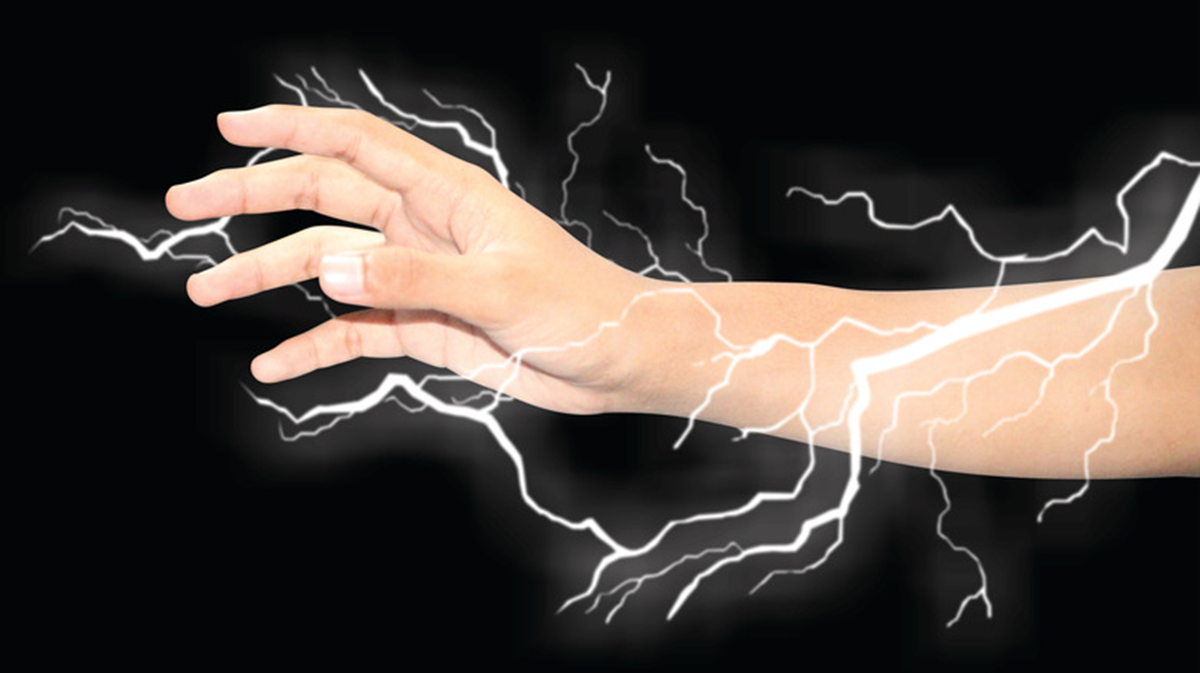
Static Shock: It is common to suddenly feel an electric shock in the finger when you touch a door handle, feel a pricking sensation while holding a tap, or feel a slight shock when you touch another person.
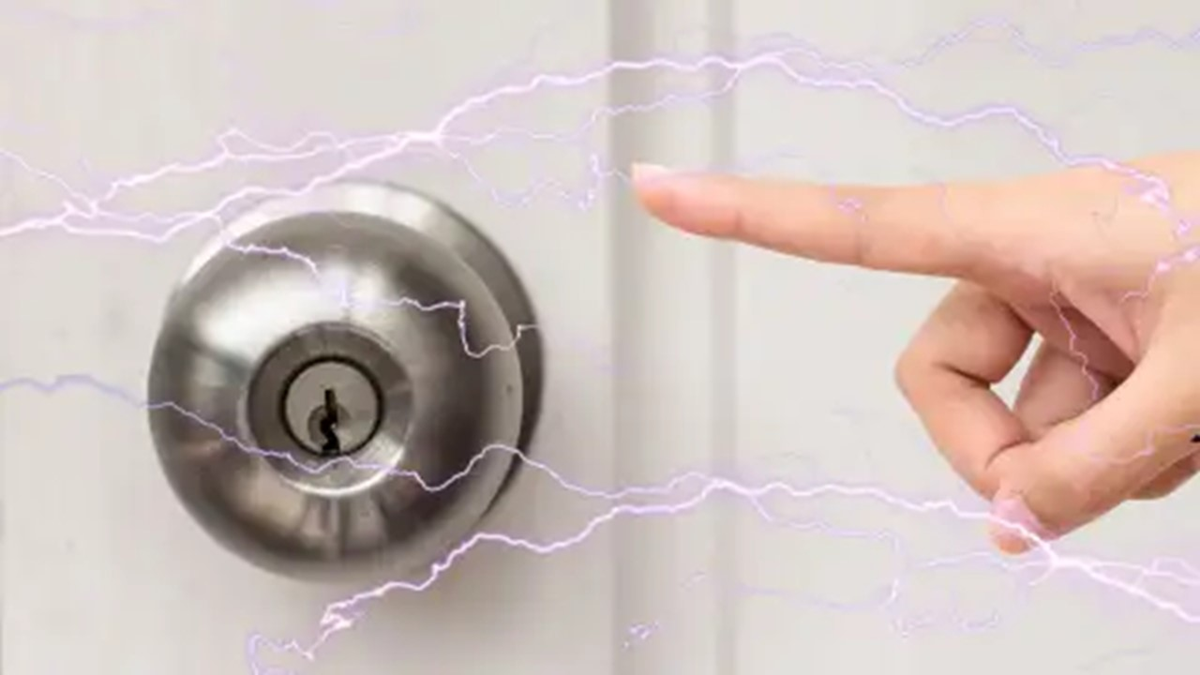
Why do we get an electric shock when we touch a door handle?
Causes of Static Electricity Shocks in Winter: It's common to feel a sudden electric shock when you touch a doorknob, a prickling sensation when you touch a tap, or a slight jolt when you touch another person. Sometimes, it happens so suddenly that you're left with no idea what's happening. Such complaints are especially common during winter or very dry weather.
In fact, this isn't always caused by an electric current. In many cases, it's due to static electricity. An electric charge accumulates on the surface of a body or object, and as soon as it comes into contact with another surface, it is rapidly released. This tiny discharge is what we feel as a shock.
What is static electricity?
To understand this entire process, we need to delve a little deeper into the atom. According to Niusha Shafiabadi, Associate Professor, Computational Intelligence, Australian Catholic University, all matter is made up of atoms. An atom has a nucleus at its center, containing protons and neutrons, while electrons surround it. Electrons have a negative charge, while protons have a positive charge. Normally, an atom has an equal number of protons and electrons, so its total charge remains neutral. However, sometimes electrons move from one place to another. This can lead to an excess of electrons on one surface, making it negatively charged, while another surface may become depleted, creating a positive charge. This imbalance of charge creates static electricity.
Clothes and shoes can also be the reason
Now the question is, how does this charge accumulate on the body or household objects? A major reason for this is friction. When two different surfaces rub against each other, electrons can be transferred between them. For example, you walk on a carpet wearing rubber-soled shoes. The friction between the shoes and the carpet can cause electron transfer. Rubber is a poor conductor of electricity, so the charge cannot easily reach the ground and can remain accumulated on the body.
Similarly, taking off a sweater creates friction between the clothing and the body. Combing your hair can also cause this. Some pets also accumulate static charge in their fur. Therefore, sometimes you may feel a slight shock when petting a cat or dog.
Then why do we feel a shock as soon as we touch the door handle?
When excess electrons accumulate in your body and you touch a metal object, these electrons can quickly move to another surface. Metal is a good conductor of electricity, so the charge easily finds a way to escape. This rapid and short-lived electric discharge is felt as a prickling shock in your finger. Sometimes, a very small spark may also be visible. This means that the door handle itself is not electrocuting you. In many cases, the static charge accumulated on your body is being discharged upon contact with that metal surface.
Why do shocks occur more frequently in winter?
Weather also plays a significant role. Static charge can easily accumulate in cold and dry air. High humidity, on the other hand, makes it less likely for the charge to accumulate. For this reason, in homes with very dry air, you may frequently feel a slight shock when touching doors, faucets, metal objects, or other objects. Moisture in clothing, shoe soles, room surfaces, and your skin also influence this experience. If you frequently experience static shock at home, increasing the humidity in the room can help. Using a humidifier is also helpful. Keeping your skin moisturized is also beneficial, as very dry skin can feel more friction.