LIFESTYLE
Stair Climbing and Heart Health: Shortness of breath isn't just a sign of fatigue; it's also a sign of heart health!
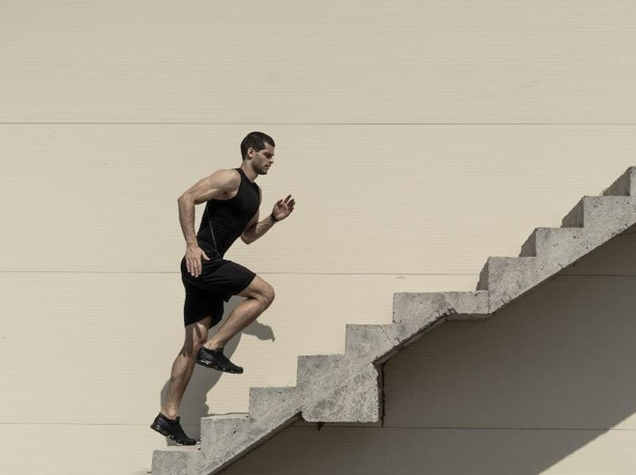
What Slow Heart Rate Recovery Means: If you experience shortness of breath while climbing stairs, you need to pay attention. Sometimes this is normal, other times it could be related to your heart.
Climbing stairs can help improve heart health.
Why Do I Feel Breathless After Climbing Stairs? Climbing stairs seems like a normal part of everyday life, but according to doctors, this small activity can reveal a lot about heart health. When we climb stairs, the body needs more oxygen. As a result, the heart starts beating faster and works harder to supply blood to the muscles. This process is normal, but the real indicator is how quickly the body returns to normal after climbing stairs.
What can you identify with this?
Cardiologists call this heart rate recovery. If breathing and heart rate return to normal quickly after climbing stairs, it's considered a sign of good cardiovascular fitness. However, if shortness of breath persists for a prolonged period or the heart rate takes longer to return to normal, it could be a sign of increased strain on the heart and blood vessels.
What do experts say?
Dr. Ashish Agarwal told TOI that many people don't understand that even a simple activity like climbing stairs can provide important information about heart health. He says that when we climb stairs, the body requires more oxygen, so it's natural for the heart rate to increase. However, if it takes longer than necessary for the body to return to normal, it could be a sign of heart and blood vessel function problems.
Experts explain that the heart's recovery speed depends on how efficiently the heart is pumping blood, how easily the arteries are transporting oxygen to the body, and how effectively the muscles are using that oxygen. If any part of this process is affected, it may take longer for the body to return to normal.
Why is there a problem?
Modern lifestyles are also contributing to this problem. Long hours of sedentary work, an unhealthy diet, smoking, stress, and limited physical activity can gradually weaken the heart and blood vessels. This causes hardening of the arteries and impairs blood flow. While shortness of breath every time you climb stairs isn't necessarily a sign of a serious illness, it can also be caused by fatigue, dehydration, or poor fitness. However, if you experience prolonged shortness of breath, chest pressure, dizziness, or extreme fatigue after climbing stairs, it shouldn't be ignored.