Solar Panel Winter Tips 2026: As November approaches, temperatures begin falling across many parts of India. With winter setting in, households increasingly depend on electric geysers for hot water and room heaters to stay comfortable.
However, using these appliances regularly can significantly increase electricity consumption and monthly power bills. This is one reason many homeowners are considering rooftop solar panels to reduce their dependence on conventional electricity.
But an important question arises: Can solar panels generate enough electricity to run a geyser and room heater during foggy winter days?
The answer is yes, solar-powered systems can support these appliances, but their performance depends on sunlight availability, system capacity, appliance wattage, and the type of solar installation.
Here is everything homeowners should understand before depending on solar electricity for winter heating.
1. Do Solar Panels Generate Electricity During Foggy Weather?
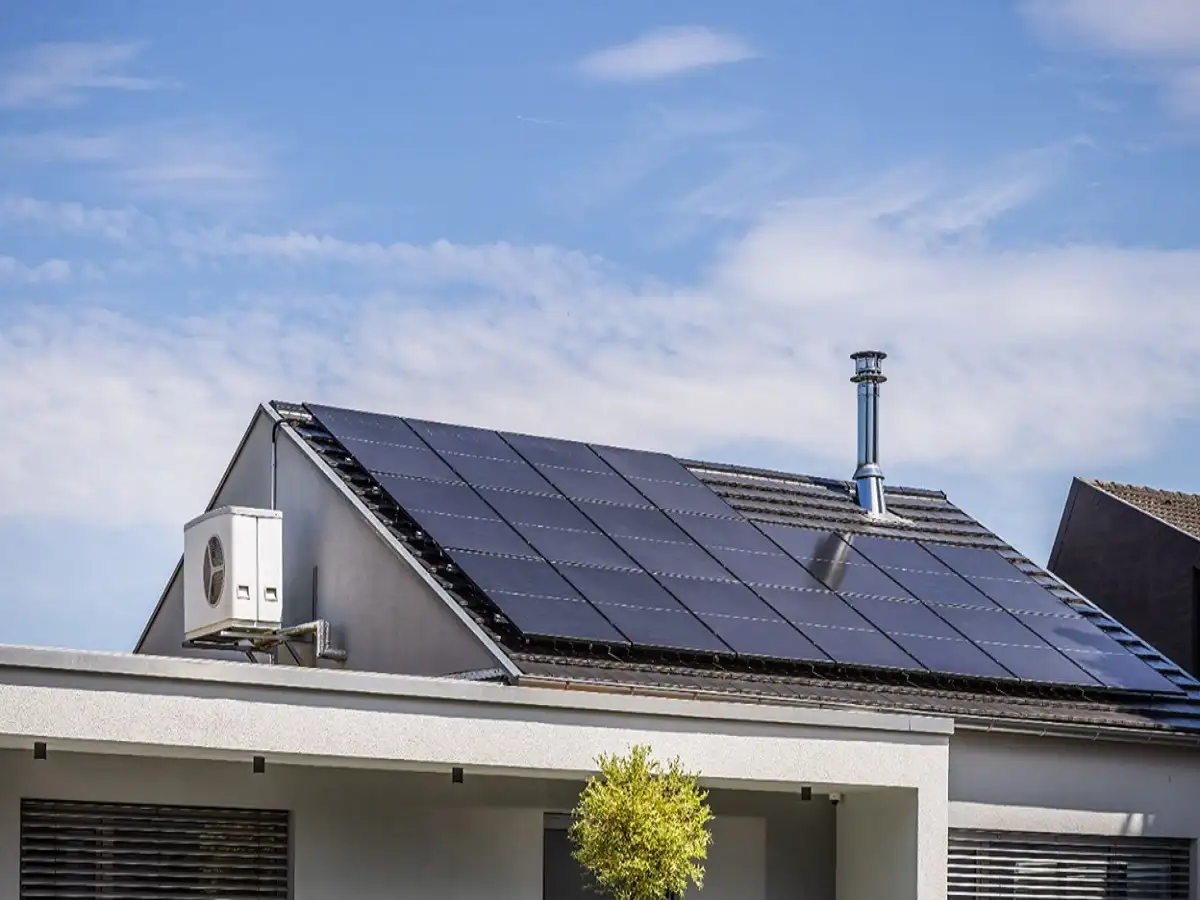
Solar panels convert sunlight into electricity using photovoltaic technology.
Although direct sunlight provides better electricity generation, solar panels can also use diffuse sunlight that passes through clouds and fog.
This means they do not completely stop producing electricity when the weather becomes cloudy.
However, their output can decrease considerably.
During dense fog, the amount of sunlight reaching the panels may be much lower than on a clear day.
In some heavily foggy conditions, electricity generation may fall to around 10% to 30% of the output achievable under stronger sunlight.
This is only an illustrative range, not a fixed performance standard. Actual generation varies according to fog density, solar radiation, panel orientation, temperature, and other factors.
If thick fog continues for several hours or days, solar electricity production may be insufficient for appliances that require substantial power.
Therefore, homeowners should avoid assuming that their rooftop solar installation will always deliver its rated capacity during winter.
2. How Much Electricity Do Geysers and Room Heaters Consume?
Before selecting a solar power system, it is important to understand the electricity requirements of the appliances you want to operate.
Electric geysers and room heaters are among the higher-power appliances used in many homes.
Their electricity consumption depends on their wattage and operating time.
Typical power ratings include:
| Appliance | Approximate Power Requirement |
|---|---|
| Electric geyser | 1,500–3,000 watts |
| Room heater | 1,000–2,000 watts |
| Both running together | 2,500–5,000 watts |
For example, a 2,000-watt geyser operating for one hour consumes approximately 2 units of electricity.
Similarly, a 1,500-watt room heater running continuously for two hours consumes around 3 units.
If both appliances operate frequently, daily electricity consumption can increase rapidly.
The actual usage of a thermostat-controlled geyser may be lower because its heating element switches off after the water reaches the set temperature.
Homeowners should check the wattage printed on their appliances and estimate how many hours they are likely to use them.
3. Is a 3 kW Solar System Enough for a Geyser and Heater?
A 3 kW rooftop solar system can produce useful electricity during periods of adequate sunlight.
It may help meet a portion of a household's daily power requirements, including lighting, fans, appliances, and occasional heating needs.
However, a 3 kW solar system does not continuously produce 3 kW throughout the day.
Its actual output changes according to sunlight intensity, weather conditions, system efficiency, and the time of day.
For example, if a geyser requires 2 kW and a room heater requires another 1.5 kW, their combined demand is 3.5 kW.
This exceeds the rated capacity of a 3 kW solar array, even before accounting for conversion losses and other household loads.
During foggy conditions, the available solar generation could be considerably lower.
Therefore, a 3 kW system may help offset electricity consumption but should not be assumed capable of independently operating both appliances under all conditions.
4. Would a 5 kW Solar System Be Better?
A 5 kW solar installation has a higher rated generation capacity than a 3 kW system.
Under suitable sunlight conditions, it can produce more electricity and may support a greater portion of a household's energy requirements.
However, choosing a larger system does not eliminate the effect of fog or cloudy weather.
Even a 5 kW installation can experience substantial reductions in output during poor sunlight conditions.
The system's ability to operate a geyser and heater also depends on the inverter rating and whether electricity can be drawn from the grid or batteries when solar generation is insufficient.
For this reason, homeowners should calculate both their daily electricity consumption and their maximum simultaneous power demand.
A qualified solar installer can help determine the appropriate panel capacity, inverter size, and backup arrangements.
5. Solar Water Heaters May Be a Practical Alternative
If your main requirement during winter is hot water, a dedicated solar water heating system may be worth considering.
Unlike photovoltaic panels that generate electricity, solar water heaters use solar thermal technology to heat water directly.
These systems generally include solar collectors and an insulated hot water storage tank.
On sunny winter days, a properly sized solar water heater can reduce the need to use an electric geyser.
However, its performance can also decline during prolonged cloudy or foggy weather.
Some installations include an electric backup heating arrangement for periods when solar heating is insufficient.
Good insulation and an appropriately sized storage tank can help retain hot water for later use.
The suitability of a solar water heater depends on household water requirements, rooftop space, climate, and installation conditions.
6. Why Is Battery Backup Important for Solar Power?
Battery storage can be useful in hybrid and off-grid solar systems.
During periods of adequate sunlight, excess solar electricity can be stored in a battery for later use, depending on the system configuration.
This stored electricity may help operate appliances during the evening, at night, or when solar generation is low.
However, geysers and room heaters require substantial energy.
For example, running a 2 kW heater continuously for three hours requires approximately 6 kWh of electricity.
Providing that amount of usable energy from batteries may require a relatively large storage system, particularly after accounting for inverter losses and battery operating limits.
Large batteries can significantly increase the total cost of a solar installation.
As a result, using battery power for extended electric heating may not always be economical.
Homeowners should compare the cost of battery storage with alternatives such as grid electricity, efficient heating appliances, and solar water heating systems.
7. Can On-Grid Solar Panels Run Appliances During a Power Cut?
This is another important point that many solar buyers overlook.
A standard grid-connected rooftop solar system generally shuts down during a power outage for electrical safety reasons.
This means that having solar panels on your roof does not automatically guarantee electricity during a power cut.
To operate appliances when grid power is unavailable, the installation generally needs a suitable hybrid or off-grid inverter and an appropriately designed backup system.
The ability to run high-power appliances will depend on the inverter's output capacity and the available battery energy.
Homeowners should clarify these details with the installer before purchasing a solar system.
8. How to Reduce Electricity Bills During Winter
Installing solar panels is only one way to manage winter electricity expenses.
Households can also improve energy efficiency by using heating appliances carefully.
Consider the following measures:
- Use a geyser with appropriate capacity for your family's hot water needs.
- Avoid keeping room heaters running unnecessarily.
- Improve room insulation to reduce heat loss.
- Use timers and thermostats where suitable.
- Schedule high-power appliance use during periods of stronger sunlight when practical.
- Maintain solar panels according to the manufacturer's recommendations.
- Compare solar generation and electricity consumption regularly.
Combining energy-efficient habits with a properly designed solar system can help reduce dependence on grid electricity.
Final Words
Solar panels can generate electricity during foggy winter weather, but their output may fall significantly when sunlight is weak.
Electric geysers and room heaters consume substantial power, making it difficult for smaller solar installations to operate both appliances independently during prolonged fog.
A 3 kW or 5 kW rooftop solar system may help reduce electricity bills, but its suitability depends on the household's total load, sunlight conditions, inverter capacity, and backup arrangements.
If your main winter requirement is hot water, a dedicated solar water heater may be a practical option. For running electric heaters and geysers through rooftop solar, proper system sizing and a reliable backup arrangement are essential.
Before investing in solar equipment, consult a qualified installer and assess your household's actual electricity requirements.