LIFESTYLE
Sleeping With Lights On: Do you sleep with the lights on? A gynecologist explains how hormonal balance can be disrupted.
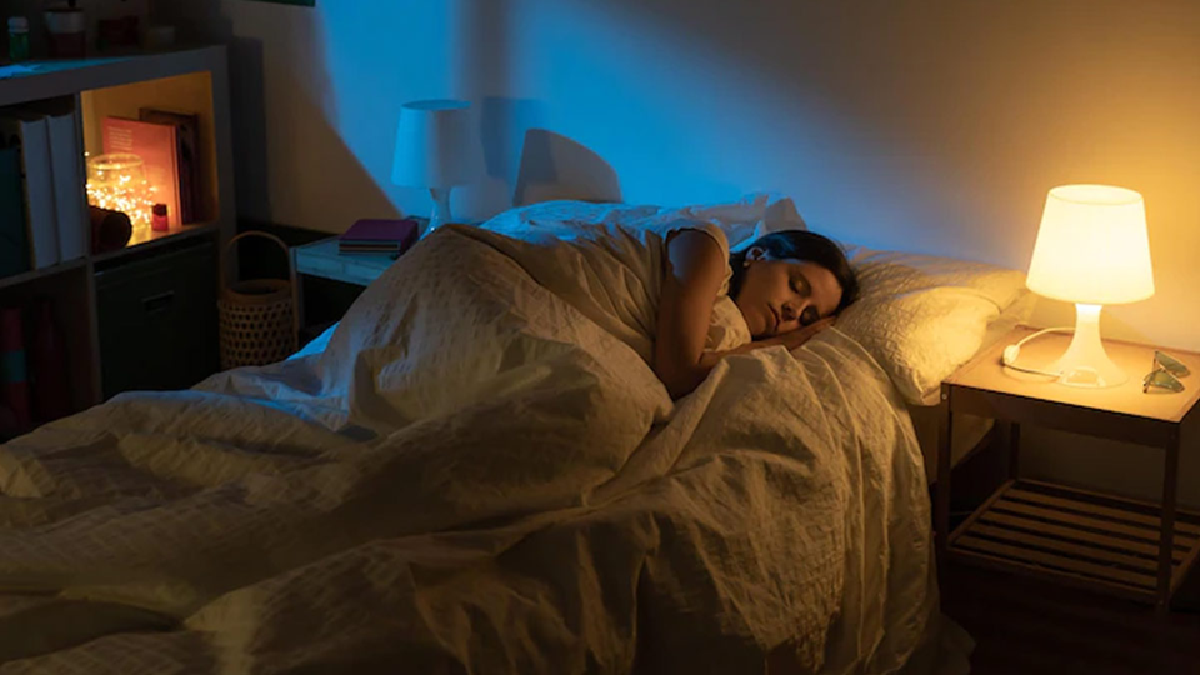
Sleeping With Lights On: According to gynecologist Dr. Mitali Rathod, sleeping with lights on can disrupt melatonin production, which increases cortisol and can disrupt hormonal balance.
The habit of sleeping with the lights on can disturb hormonal balance.
Sleeping With Lights On: Sleep not only provides rest to the body but also plays an important role in maintaining hormonal balance. However, many people have the habit of sleeping with the room light or bedside lamp on. Gynecologist Dr. Mitali Rathod, known as "Dr. Uterus" on Instagram, explains how this habit can affect reproductive health.
Direct connection between sleep and hormones
According to the doctor, sleep plays a vital role in maintaining hormonal balance. If light exposure impairs sleep quality, it can directly impact hormones. He also explained that different phases of the menstrual cycle, such as the menstrual, follicular, ovulatory, and luteal phases, are more likely to cause sleep disturbances and disrupt the body's circadian rhythm, or body clock.
Direct effect on hormones
According to the doctor, exposure to light at night, whether it's room lights or blue light emitted from phone gadgets, can suppress the production of the hormone melatonin. This is the hormone that signals the body to sleep and plays a key role in reproductive health and hormonal regulation. When melatonin production is impaired, sleep is impaired, which can increase levels of the stress hormone cortisol.
It starts with increased cortisol.
The doctor further explained that when cortisol levels rise, insulin regulation is negatively affected, leading to increased inflammation in the body. This inflammation can further impact hormonal balance and reproductive health.
What is the best environment for sleeping?
Doctors recommend keeping the room as dark as possible while sleeping, as sleeping in a bright room can disrupt the body's natural sleep/wake cycle. If you need some light for nighttime movement, you can turn on a very dim light in a corner of the room and use it only when necessary.
Room temperature is also important.
For better sleep, the specialist also recommends wearing loose, light, and comfortable clothing to maintain a healthy body temperature. It's also important to have proper ventilation and a comfortable room temperature, so the room doesn't feel too hot or stuffy. According to him, the goal is to keep the room cool, comfortable, quiet, and dark so the body can enjoy uninterrupted, deep, restorative sleep, which is essential for healthy hormonal regulation.
Disclaimer: This information is based on research studies and expert opinion. Do not substitute for medical advice. Always consult your doctor or relevant specialist before undertaking any new activity or exercise.