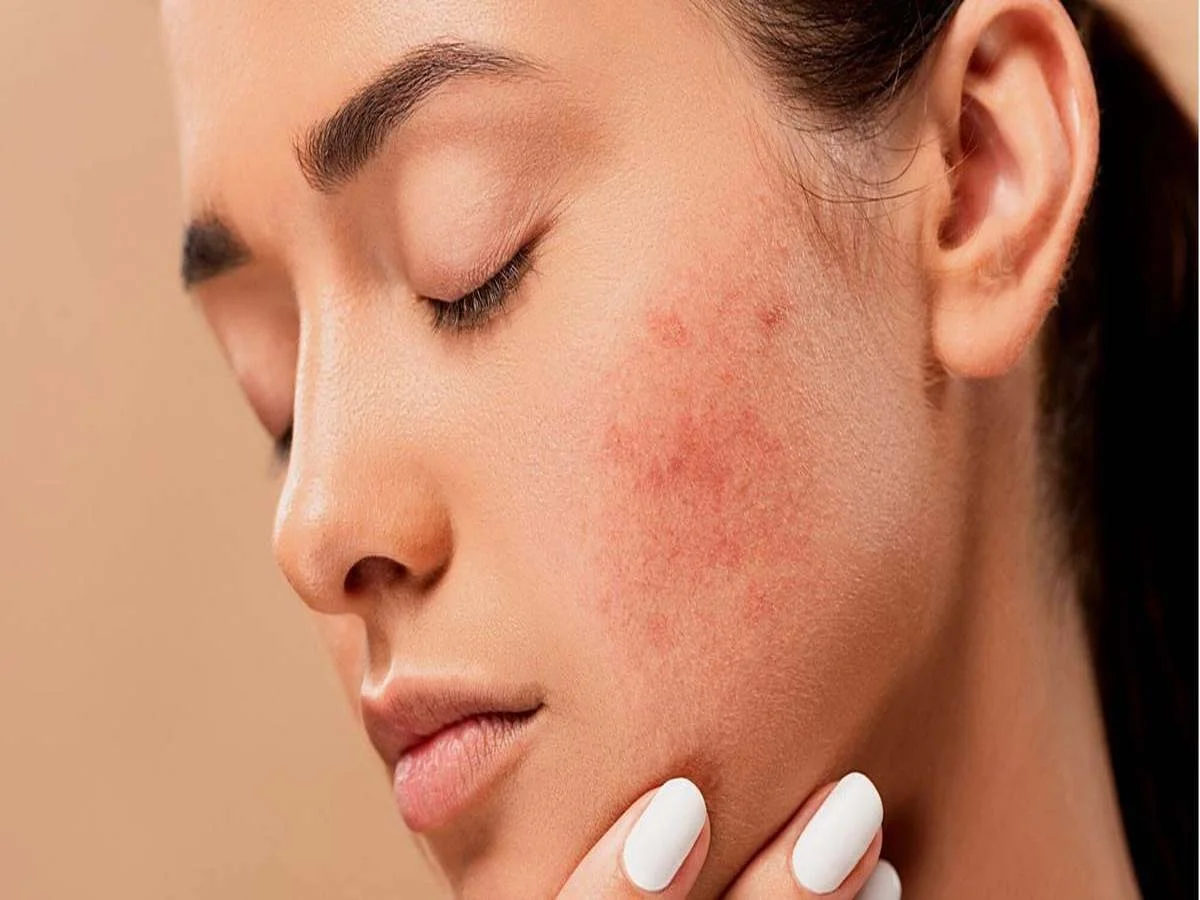
Acne and pimples are among the most common skin problems affecting people of all age groups, especially teenagers and young adults. While hormonal changes are one of the major reasons behind breakouts, dermatologists say unhealthy eating habits can also make acne problems worse.
Excessive consumption of sugary foods, oily snacks, spicy meals, and certain dairy products may increase oil production in the skin, trigger inflammation, and lead to frequent breakouts. In today’s lifestyle, where processed and fast foods have become a regular part of daily diets, skin-related issues are becoming increasingly common.
If you often struggle with pimples, oily skin, or sudden acne flare-ups, these foods may be contributing to the problem.
1. Excess Sugar Intake Can Harm Your Skin
Refined sugar is often called “white poison” because excessive consumption can negatively affect overall health as well as skin quality.
Foods high in sugar can rapidly increase blood sugar levels, causing spikes in insulin production. This hormonal imbalance may stimulate excess oil production in the skin, which can clog pores and worsen acne.
Sugary Foods That May Trigger Pimples
- Ice cream and kulfi
- Soft drinks and sugary beverages
- Cakes, pastries, candies, and sweets
- Packaged processed snacks with high sugar content
Skin experts say that too much sugar may also reduce the skin’s natural glow and accelerate inflammation inside the body.
Reducing sugar intake can help improve not only skin health but also energy levels and overall wellness.
2. Excessive Mango Consumption May Cause Breakouts
Mango is one of the most loved summer fruits, but excessive consumption may sometimes contribute to skin breakouts in certain individuals.
Experts clarify that mangoes do not directly cause acne. However, overeating mangoes may increase body heat and sugar intake, which could trigger pimples in people with acne-prone skin.
Is Mango Completely Unsafe?
No. Eating mangoes in moderate quantities is generally considered safe and healthy because the fruit contains vitamins, antioxidants, and fiber.
Problems are more likely to occur when mangoes are consumed excessively, especially along with other sugary foods.
3. Oily and Spicy Foods Can Worsen Acne
Deep-fried and heavily spicy foods are considered major triggers for skin inflammation and oily skin.
These foods often contain:
- Unhealthy fats
- Refined carbohydrates
- Excess calories
- High sodium levels
Experts say such foods may disturb hormonal balance and increase inflammation inside the body, making acne more severe.
Common Problems Caused by Spicy Foods During Summer
During hot weather, spicy foods may also lead to:
- Excess sweating
- Skin irritation
- Increased bacterial growth on the skin
- Sudden acne flare-ups
Popular oily foods such as fries, chips, fast food, fried snacks, and spicy street food may aggravate existing skin issues if consumed regularly.
4. Dairy Products May Be Linked to Acne
Several studies conducted over recent years suggest a possible connection between dairy consumption and acne in some individuals.
Milk and milk-based products may increase insulin activity and influence hormones associated with oil production in the skin.
Dairy Products Commonly Linked to Acne
- Milk
- Cheese
- Butter
- Cream-based foods
Although dairy does not affect everyone in the same way, people with persistent acne sometimes notice improvements after reducing excessive dairy intake.
Why Diet Matters for Skin Health
Dermatologists say healthy skin is closely connected to overall nutrition and lifestyle habits. While skincare products may help externally, diet plays an important role in maintaining balanced skin from within.
A poor diet combined with:
- Stress
- Lack of sleep
- Pollution
- Dehydration
- Hormonal imbalance
can increase the chances of pimples and skin irritation.
Foods That May Help Improve Skin Naturally
Skin experts often recommend including these healthier foods in daily diets:
- Fresh fruits and vegetables
- Nuts and seeds
- Water-rich foods
- Green leafy vegetables
- Protein-rich foods
- Foods rich in omega-3 fatty acids
Drinking enough water and maintaining proper sleep patterns may also help reduce acne severity.
Simple Tips to Prevent Acne Naturally
To maintain healthier skin, experts recommend:
- Avoid touching pimples frequently
- Wash your face regularly with mild cleansers
- Reduce sugary and processed foods
- Stay hydrated
- Avoid excessive makeup use
- Exercise regularly
- Manage stress levels
Acne Triggers Can Differ From Person to Person
It is important to understand that not all foods affect every individual in the same way. Some people may experience breakouts after consuming dairy or sugar, while others may not notice any visible impact.
If acne becomes severe or persistent, consulting a dermatologist is recommended for proper diagnosis and treatment.
Disclaimer: This article is for informational purposes only and should not be considered medical advice. Dietary effects on skin may vary from person to person. Always consult a healthcare professional or dermatologist for personalized guidance.