How to unclog a kitchen sink?
Baking Soda and Vinegar Sink Unclog Hacks: If water starts flowing back up instead of down when you pour it into your kitchen sink, there's a clog somewhere in the drain. Initially, the water drains slowly, but after a while, it starts accumulating in the sink. Many people immediately call a plumber in such a situation, but this isn't always necessary. If the clog isn't too serious, you can clear the sink drain yourself with a few simple steps.
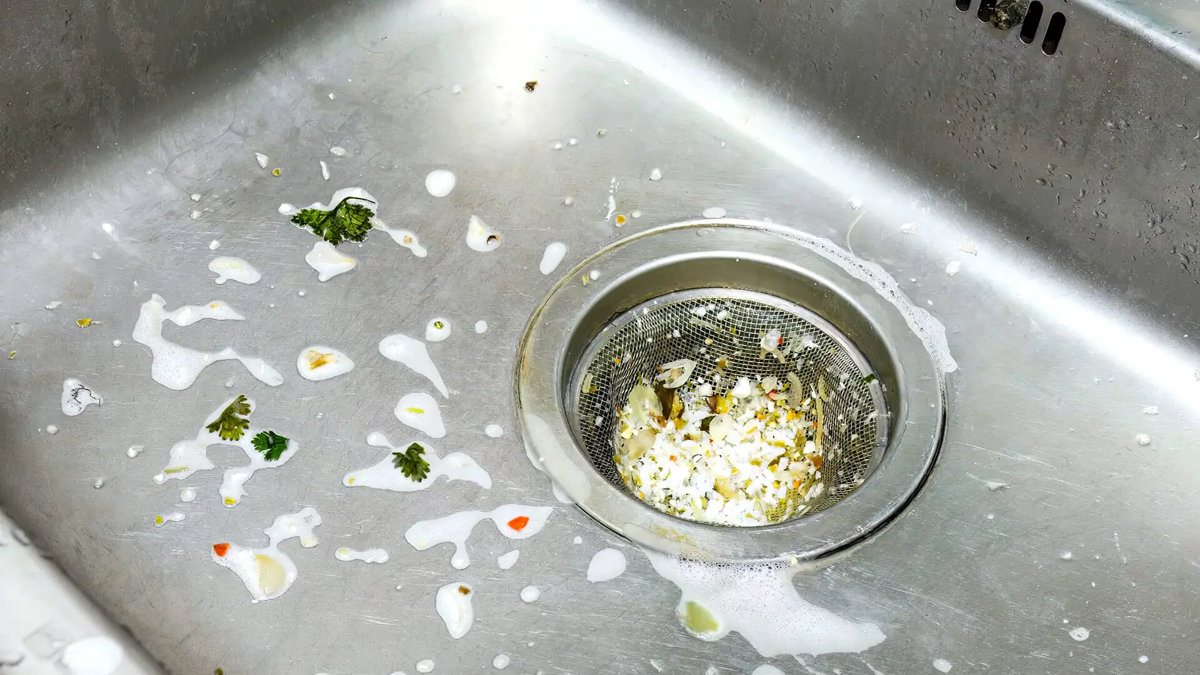
Kitchen sinks often become clogged due to the accumulation of small pieces of food, oil, grease, and other debris. Therefore, backflow may indicate not just a lack of cleaning, but also a buildup of debris in the pipes.
First, check under the sink.
When your kitchen sink is clogged, the first thing to do is check whether the problem is with the garbage disposal unit, if your sink is equipped with one. If the unit is running but no water is flowing down, the blockage may be in the pipe next to it. If the unit is only making noise and not spinning, something may be stuck inside. In such a situation, do not try to open it or insert your hand into it. It is important to disconnect the power supply first.
You can try baking soda and vinegar.
If the water hasn't completely stopped and is draining slowly, you can try the baking soda and white vinegar method. However, this method is only effective for minor clogs. Larger or more established clogs may be more difficult to remove.
To do this, first drain the sink and let as much water drain as possible. Pour about a cup of baking soda into the drain. Then, add a cup of white vinegar and cover the drain for 15 minutes. After a while, flush the drain with hot tap water. If the water starts draining better than before, you can repeat this process as needed. Be careful not to try to unclog the drain by pouring boiling water directly into it. Experts say this may temporarily dissolve grease or soft solids, but there's a chance they will refreeze further down the pipe.
If water is still coming back, check the P-Trap.
If baking soda and vinegar don't work, the next step is to check the P-Trap, the bent pipe under the sink. Food particles, grease, and other debris often accumulate in this area. Before opening the pipe under the sink, be sure to place a bucket underneath, as water trapped inside could suddenly escape. Then, carefully open the P-Trap with a wrench and clean out any debris. Then, reconnect the pipe and check if water is draining normally.
P-Trap is clean, but the drain is still clogged?
If the P-Trap finds nothing and water is still backing up into the sink, the clog may be in the drain pipe leading to the wall. In this case, a drain snake or auger can be used. This involves removing the P-Trap to gain access to the pipe and then slowly moving the auger down the pipe to reach and dislodge the clog. If you're inexperienced with opening pipes or using an auger, it's best to seek professional help rather than trying this step. Improperly opening pipes or using the equipment can cause damage.
What should I do to prevent the sink from clogging again?
Installing a drain screen is a simple way to prevent frequent clogs in your kitchen sink. This prevents food particles and other debris from entering the pipes. Most importantly, avoid pouring oil and grease into the sink. Hot oil can freeze and harden in the pipes, gradually narrowing the passage. Also, remove any food waste that goes into the kitchen sink beforehand. Use harsh chemical drain cleaners available in the market with caution. Experts say these aren't always effective and can create a dangerous situation later when unclogging the pipes manually.