NEWS
Shopkeepers will avoid scanned payments! With the implementation of UPI MDR, they may ask for checks or RTGS.
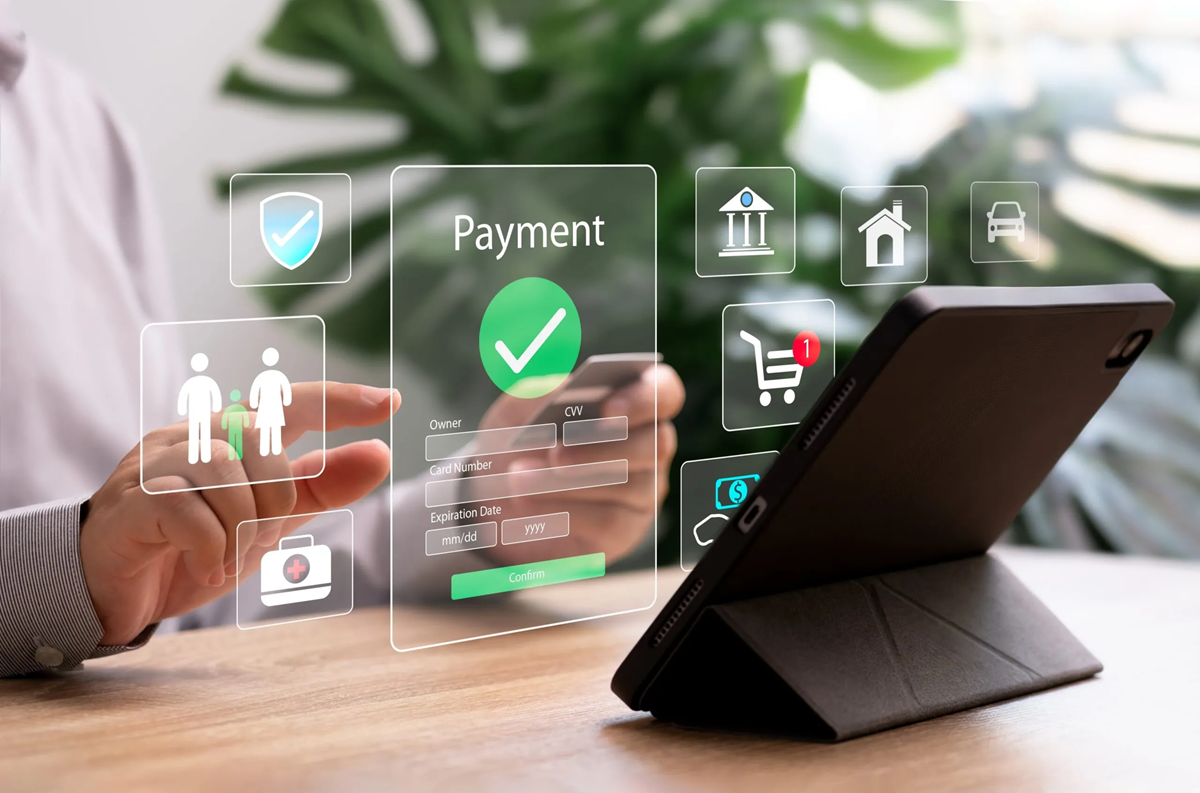
After the MDR charge is implemented on UPI, merchants may refrain from accepting digital scanned payments. Instead, they may ask for checks or RTGS payments for expensive purchases.
UPI MDR Charge
In the future, it's possible that shopkeepers will avoid accepting digital payments for high-end purchases. This is because, under the new system, a 0.4% merchant discount rate (MDR) will be levied on transactions exceeding ₹2,000. To avoid this, shopkeepers may refuse to accept digital payments, as it will directly impact their profits.
When you make a purchase of more than ₹2,000 at a large showroom and pay using UPI or a card, the shopkeeper is required to pay a portion of the amount (e.g., 0.4% or a maximum of ₹300 for UPI transactions and 1% to 2% for credit cards) to the bank as a fee. In businesses like gold, silver, and automobiles, the shopkeeper's profit margin is often very low. Therefore, they may prefer not to have these fees deducted from their own pockets.
This means that payment methods are about to change in the future, especially as UPI has become the preferred payment option for millions of Indians. From purchasing home appliances to paying insurance premiums and booking hotels, customers are increasingly using QR codes and UPI apps instead of cards or bank transfers.
What is UPI MDR?
UPI MDR (Merchant Discount Rate) is a type of digital payment processing fee. When a customer makes a payment to a shop or merchant using UPI, the MDR is the fee paid to the bank and payment service provider for processing the transaction. It is collected from the shop or merchant.
It was originally scheduled to be implemented on October 15, 2026, but was postponed due to the festive season. The National Payments Corporation of India (NPCI) is expected to announce a new official implementation date soon. Under the rules, merchants cannot charge UPI MDR from customers. This means the amount will not be added to your bill. Since merchants cannot pass this burden on to customers and do not want to incur losses themselves, they may adopt an alternative payment method.
Who will be exempted from UPI MDR?
Under the new UPI MDR rules, general consumers, small merchants with annual turnover up to ₹2 million, small transactions up to ₹2,000, and P2P remittances through UPI will be completely exempt. This means that small merchants with monthly collections through UPI of less than ₹1 lakh (or annual turnover up to ₹2 million) will not have to pay any MDR.
Neighborhood grocery stores, vegetable vendors, milkmen, and small street vendors will be completely excluded from this scope. Even if a UPI payment is ₹2,000 or less, the shopkeeper will not have to pay any MDR.