ENTERTAINMENT
Shah Rukh Khan’s Roots in Peshawar: Viral Video Revives the Story of His Family Home Across the Border
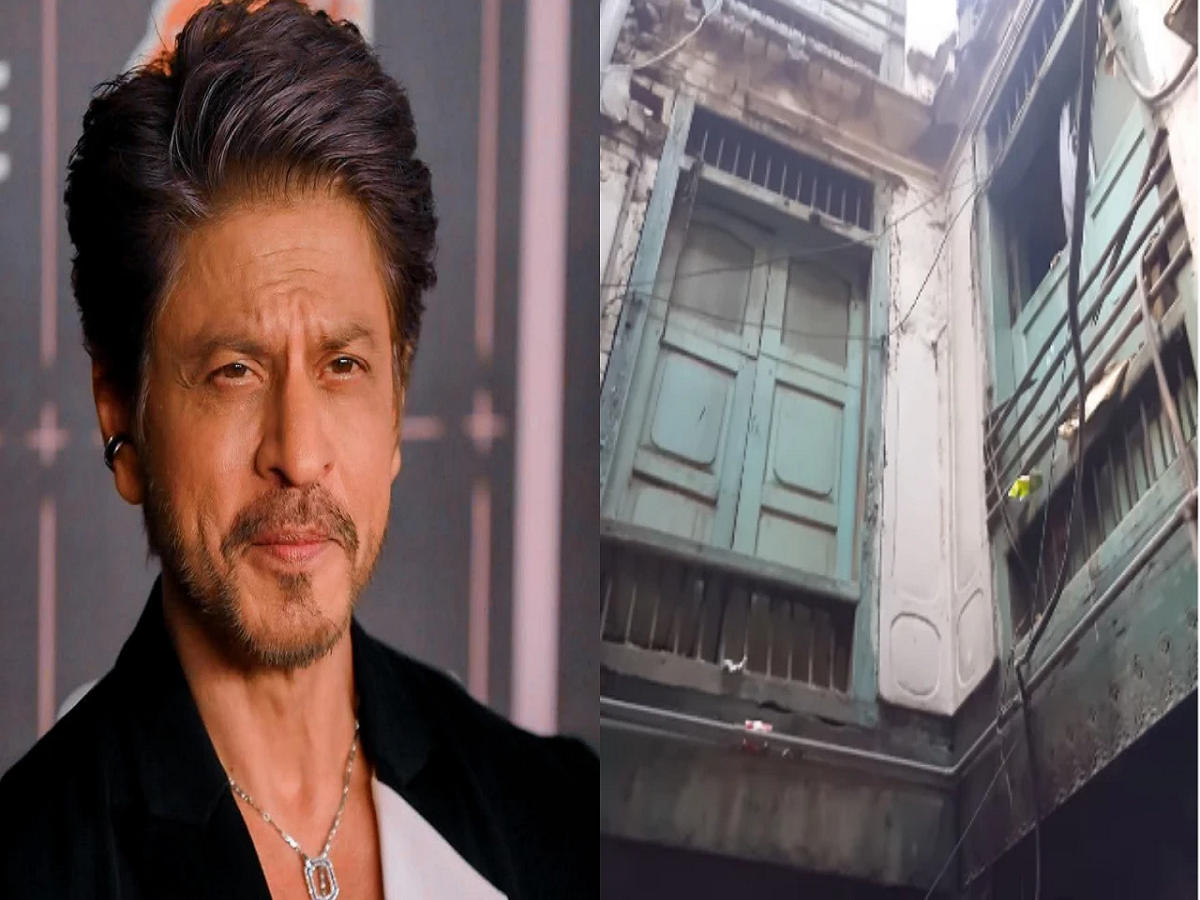
Bollywood superstar Shah Rukh Khan is a global icon today. From Mumbai to New York, millions admire him for his charm, success, and journey from humble beginnings to worldwide stardom. His sea-facing bungalow “Mannat” in Mumbai has become a landmark where fans gather daily, hoping to catch a glimpse of the actor. However, far away from the glamour of Bollywood lies another place deeply connected to Shah Rukh Khan’s identity—his ancestral home in Peshawar, Pakistan.
Recently, a video showcasing an old house in Peshawar has gone viral on social media, instantly capturing the attention of Shah Rukh Khan’s fans and history enthusiasts alike. The clip highlights a modest yet historically significant residence believed to be connected to the Khan family. As the video spread online, it reignited conversations about Shah Rukh Khan’s roots and the cultural ties that exist beyond political borders.
A Historic Neighborhood with Stories of the Past
The ancestral house is located near Peshawar’s famous Qissa Khwani Bazaar, in an area known for its centuries-old architecture and narrow lanes. This locality has witnessed generations pass by, preserving memories of a time when the region was culturally united. According to historical accounts and family references, Shah Rukh Khan’s father, Taj Mohammed Khan, spent his early years in this area before moving to India during the period surrounding independence.
The viral video walks viewers through the old streets, showing weathered walls, wooden doors, and simple construction that reflects the lifestyle of earlier times. These visuals have struck an emotional chord with fans, offering a rare glimpse into the environment that shaped the Khan family long before Shah Rukh Khan became a household name.
Simple Walls, Strong Emotions
Unlike luxurious celebrity homes, this ancestral residence stands out for its simplicity. The structure reflects an era when homes were built with practicality and cultural values rather than extravagance. Despite the passage of time, the house appears to carry an emotional weight, symbolizing memories of family, migration, and shared heritage.
Shah Rukh Khan has mentioned in multiple interviews that he visited Peshawar during his childhood and spent time with relatives, including his aunt and extended family members who continued to live there. These personal recollections make the viral video even more meaningful, as it connects public visuals with the actor’s own words and experiences.
A Bond That Survived Borders
After the partition of India, Taj Mohammed Khan relocated to Delhi, while several members of the extended family remained in Peshawar. Shah Rukh Khan’s relatives, including his cousin Noor Jehan, have spoken in the past about their affection for him and the family’s shared memories. The viral video is not just about a building—it represents a bond that has endured despite geographical separation and historical change.
Many viewers see this as a reminder of the shared cultural heritage between India and Pakistan, especially in the world of cinema. Legendary actors like Dilip Kumar and Raj Kapoor also had roots in Peshawar, making the city an important chapter in the history of Indian cinema.
Why Fans Are Talking About It
As soon as the video surfaced online, social media platforms were flooded with reactions. Fans expressed admiration for Shah Rukh Khan’s grounded background and emotional connection to his roots. Some praised the preserved architecture, while others reflected on how journeys from such humble homes can lead to extraordinary success.
Conclusion
Shah Rukh Khan’s journey proves that greatness often begins in the simplest of places. While he now stands among the most influential and successful actors in the world, the rediscovery of his ancestral home in Peshawar reminds fans that his story is deeply rooted in history, family, and cultural heritage. This viral video has not only revived memories of the past but also highlighted how stories of belonging and identity continue to resonate across borders and generations.