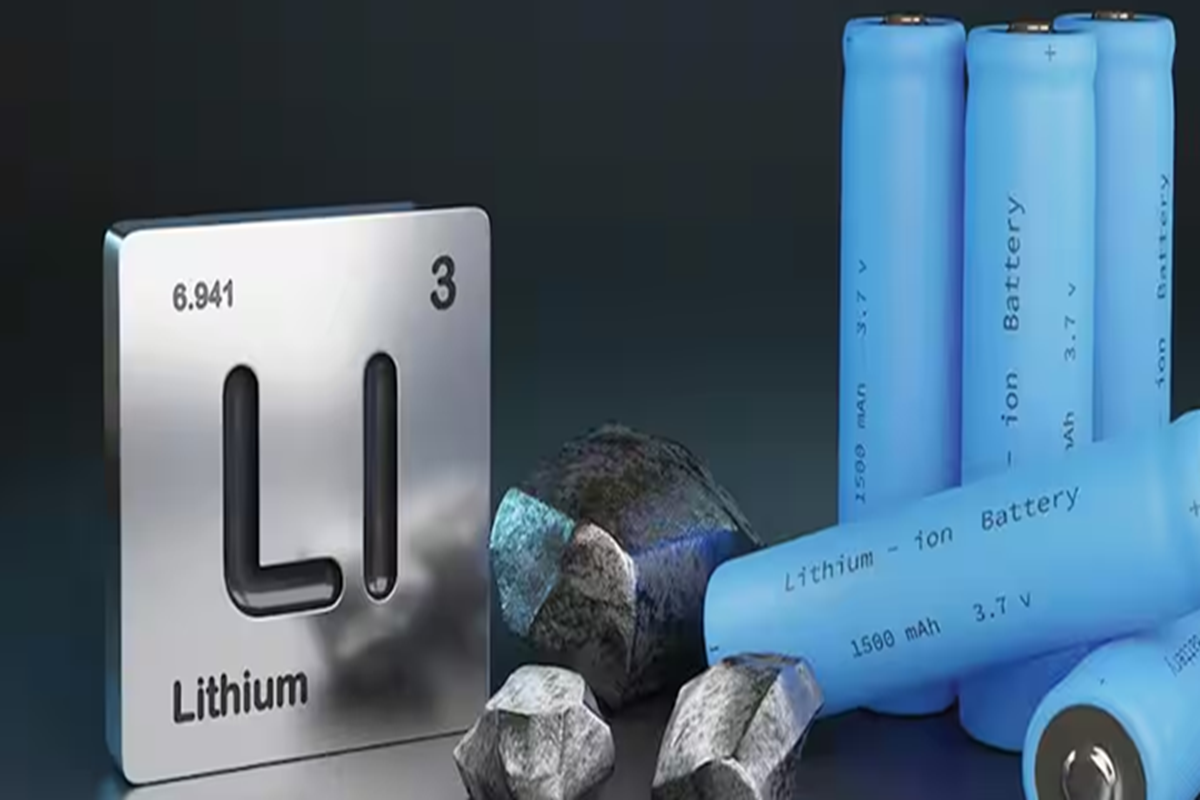
Lithium-Metal Battery: A lot of work is going on in battery technology, and soon, such batteries may come that will be able to store more energy in less space and will be able to get fully charged in a few minutes.
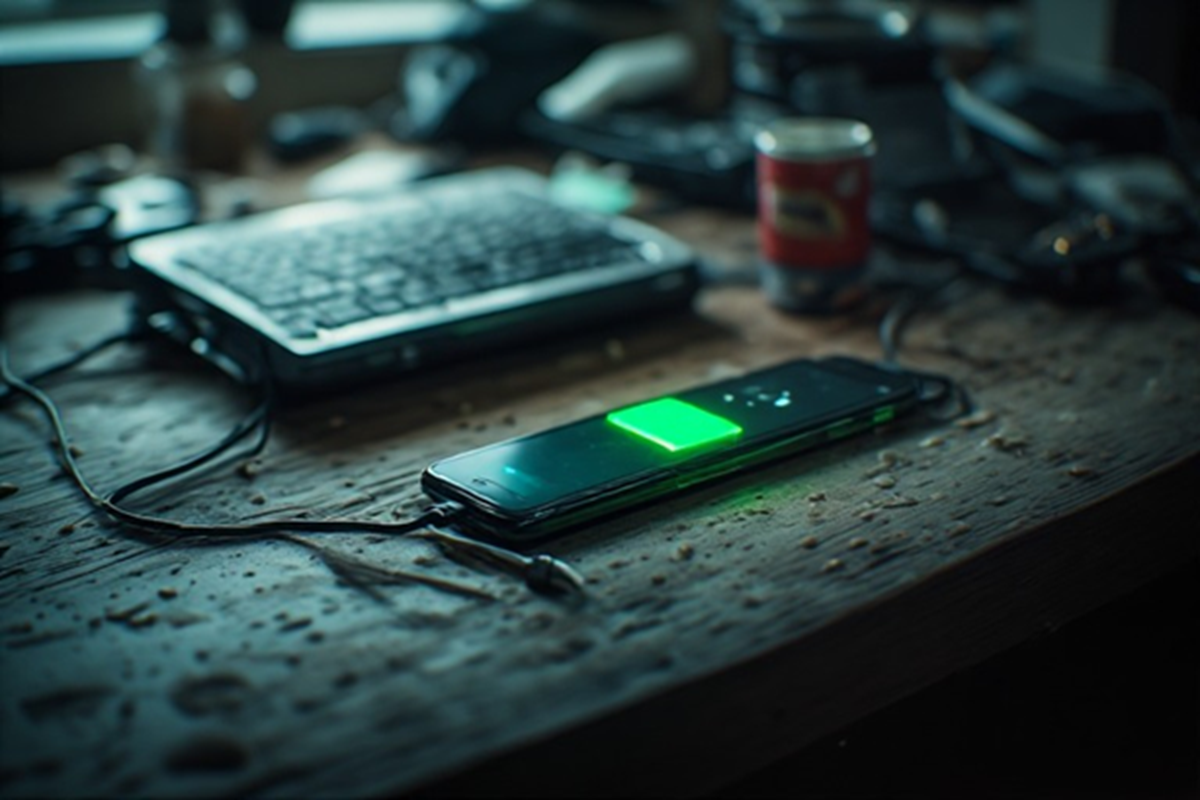
Lithium-Metal Battery: Solid-state batteries will be able to charge instantly
Lithium-Metal Battery: A battery that can store more energy in less space and charge instantly may soon be available. Research on battery technology has been ongoing for quite some time, and scientists are working to develop batteries that charge quickly and have high energy density. Now, researchers at the Chinese Academy of Sciences appear to be achieving success in this direction. They have developed a new solid-state battery that offers ultra-fast charging along with excellent energy density. Let's explore how this battery is different and its benefits.
Higher energy density and faster charging
Traditional batteries use liquid or gel polymer materials to move ions between electrodes, but this battery uses a solid electrolyte for this purpose. This improves performance and reduces safety concerns. Its energy density is twice that of traditional batteries. Among other benefits, it maintains its power capacity for a long time and can be charged in just 3 minutes.
How will this battery work?
Traditional rechargeable batteries use liquid or gel electrolytes to transfer electrons between electrodes. Solid-state batteries, however, employ a different technology, using a solid matrix made of composite compounds. These batteries use materials such as ceramics, sulfides, and polymers, which significantly reduce the risk of fire.
Power banks with solid-state batteries will alleviate safety concerns.
Power banks with solid-state batteries are now available. They pose a lower fire risk and offer longer lifespans than lithium-ion batteries. Besides safety, solid-state batteries charge faster and can hold more power than standard batteries. This allows them to offer greater capacity even while reducing the size of the power bank. Along with these advantages, there are also some disadvantages. The biggest risk is the development of metallic cracks, known as dendrites. These cracks can occur due to the high electric current during charging.