Store Iron Cookware: Many people stop using their woks, assuming they're damaged. However, if the rust is at an early stage, it can be removed with proper cleaning.
How to remove rust from an iron pan
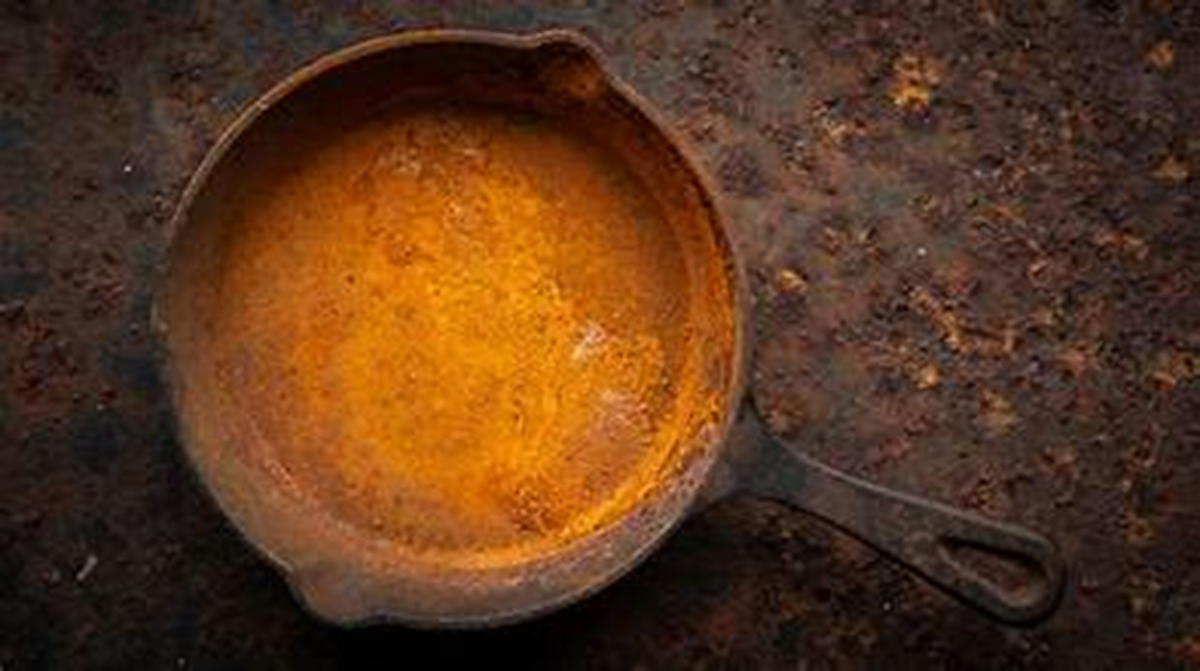
How to Remove Rust from Iron Kadhai: An iron kadhai has been used in Indian kitchens for a long time. Cooking puris, pakodas, and a variety of vegetables in them has its own unique flavor. Even today, many people prefer using an iron kadhai for cooking. However, it's important to maintain it. If the kadhai is not dried properly after washing or if it remains damp for a long time, it can rust. Gradually, an orange or brown layer appears on the surface of the kadhai.
Many people stop using their kadhai, thinking it's damaged. However, if the rust is at an early stage, proper cleaning can remove it. Furthermore, adopting a few simple habits can help prevent the kadhai from rusting again.
If the pan gets rusted, clean it like this.
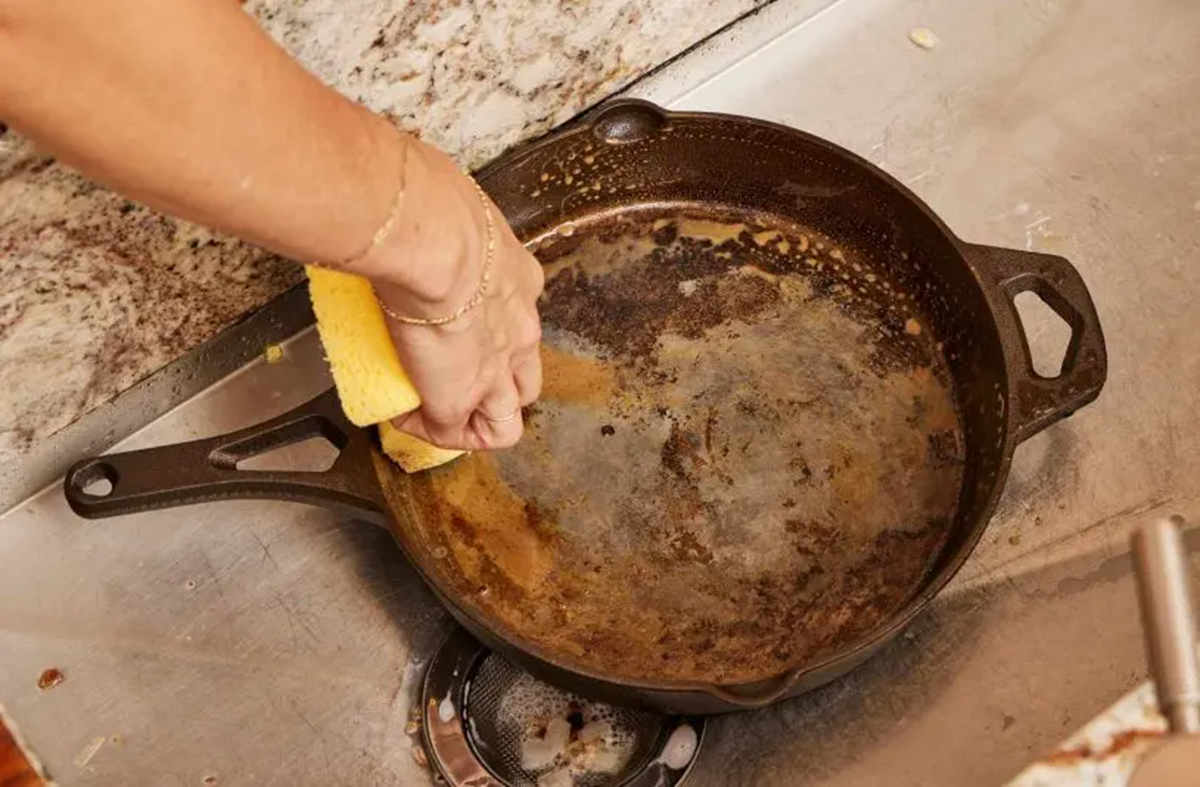
If your iron pan has rusted, the first step is to clean it. To do this, lightly wet the pan and apply a little dish soap. Using a scrubber, scrub the rusted area thoroughly. Repeat this process two to three times, depending on the need. Once the rust has cleared, rinse the pan thoroughly with water. Then, wipe it dry with a clean cloth. Keep in mind that it's not advisable to leave the pan wet after cleaning, as any remaining moisture can cause rust to form again.
Do not leave the pan in water for too long.
Often, after cooking, food particles stick to the pan. In such a situation, people leave the pan soaked in water for a long time to clean it easily. However, this habit can be harmful for iron utensils. Constant exposure to water increases the risk of rust on the iron surface. Therefore, it is better to clean the pan as soon as possible after use. If there is food stuck to it, use only water as needed to clean it, but be sure to dry it immediately after washing.
It is important to dry thoroughly after washing.
Moisture is one of the most common causes of rust in iron pans. If the pan is placed directly on the rack after washing, water may remain on its surface. This moisture can gradually lead to rust. To avoid this, wipe the pan thoroughly with a dry cloth after washing. After this, you can place it on the gas stove on low heat for a minute or two to evaporate any remaining moisture. Before storing the pan, make sure its surface is completely dry.
Apply a thin layer of oil to the pan
Applying a thin layer of oil to an iron pan is also a useful way to prevent rust. After the pan is completely dry, take a small amount of mustard oil or other cooking oil. Using a cotton cloth, gently spread it over the inner surface of the pan. Be careful not to apply too much oil. A light layer of oil is sufficient. This can help reduce the direct impact of moisture on the iron surface. Maintain the habit of cleaning, drying, and oiling the pan after use.
Be careful while cooking sour things
When cooking in an iron pan, it's important to consider the type of food being cooked in it. Tomatoes, vinegar, and other acidic substances can react with iron, affecting the taste and surface of the pan. Therefore, avoid cooking or storing sour foods in an iron pan for long periods of time. If you've prepared such a dish, transfer it to another container after cooking rather than leaving it in the pan. Afterward, clean and dry the pan thoroughly.
Use the embroidery regularly.
If an iron kadhai is left unused for long periods of time, its surface may become prone to rust, especially if it is stored in a damp area. Therefore, regular cleaning and proper maintenance of the kadhai is essential. After use, clean the kadhai, dry it thoroughly, apply a light layer of oil, and store it in a dry place. Avoid storing it in areas exposed to water or moisture.