NEWS
Russia-Taliban Defense Pact Could Reshape Regional Dynamics, Pakistan Faces New Strategic Challenge
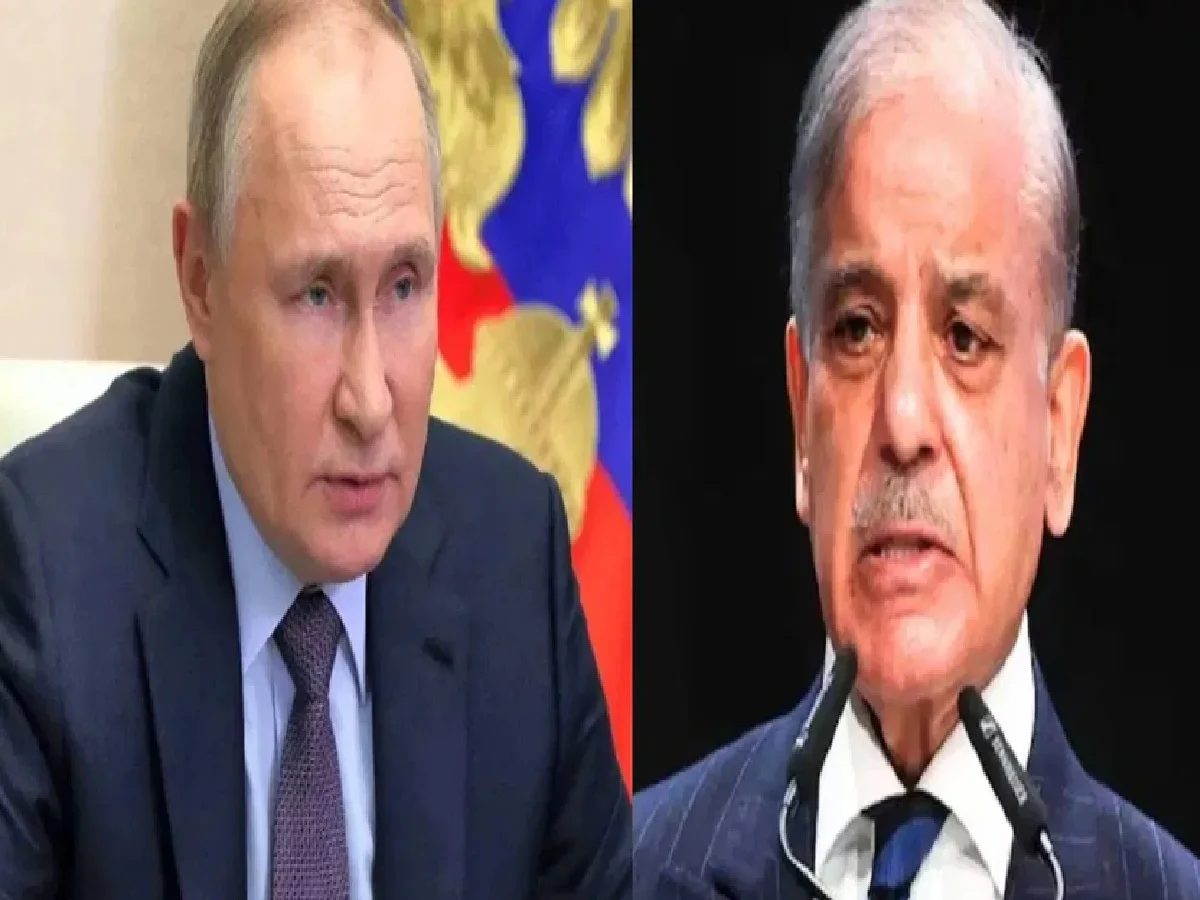
A new defense cooperation agreement between Russia and Afghanistan's Taliban-led administration has attracted significant attention across South Asia and beyond. Analysts believe the development could influence regional security equations, particularly at a time when relations between Afghanistan and Pakistan remain strained.
Russia and India have traditionally maintained strong strategic ties, especially in defense and security cooperation. Over the decades, Moscow has been one of New Delhi's most important partners, supplying military equipment and supporting India on several geopolitical issues.
Now, Russia's decision to deepen engagement with Afghanistan has emerged as another important development in the evolving regional landscape.
Russia and Taliban Government Sign Defense Cooperation Agreement
According to reports, Russia and Afghanistan's Taliban administration recently signed a military cooperation agreement aimed at expanding bilateral relations between the two sides.
The agreement was reportedly signed during discussions involving Afghanistan's acting Defense Minister, Mohammad Yaqoob, and Russian security officials. While the exact details of the pact have not been publicly disclosed, Afghan authorities described it as a step toward strengthening long-term cooperation between the two countries.
Afghan officials have emphasized that engagement with Russia is important for Kabul's broader foreign policy objectives and regional partnerships.
From Historical Rivals to Strategic Partners
The growing closeness between Russia and Afghanistan reflects a remarkable shift in regional geopolitics.
Relations between the two countries were once defined by conflict. The former Soviet Union's military intervention in Afghanistan in 1979 led to a prolonged war that lasted nearly a decade. The conflict left deep scars and shaped Afghanistan's political landscape for decades.
However, changing global realities and shifting security priorities have encouraged both sides to rebuild diplomatic and strategic ties. Following the withdrawal of Western forces from Afghanistan, regional powers have increasingly sought direct engagement with the Taliban-led administration to address security, economic, and geopolitical concerns.
Rising Tensions Between Afghanistan and Pakistan
The Russia-Afghanistan agreement comes at a sensitive time for relations between Kabul and Islamabad.
Over the past few years, tensions between Afghanistan and Pakistan have escalated over border security, cross-border militant activity, and the presence of armed groups operating in the region. Disputes along the Durand Line have repeatedly led to clashes, with both sides accusing each other of supporting hostile elements.
Security incidents and military exchanges have further complicated the relationship, creating an atmosphere of mistrust between the neighboring countries.
One of the most contentious issues remains the activities of the Tehrik-i-Taliban Pakistan (TTP), which Pakistan accuses of operating from Afghan territory. The Taliban administration has rejected several of Islamabad's allegations, contributing to ongoing diplomatic friction.
Why the Agreement Matters for Regional Security
Strategic observers believe Russia's growing engagement with Afghanistan could alter regional power dynamics.
A stronger Russia-Afghanistan relationship may provide Kabul with additional diplomatic support and greater strategic flexibility. At the same time, it could increase pressure on Pakistan, which is already managing complex security challenges along its western border.
The agreement also signals Moscow's intention to play a more active role in Afghanistan's future, particularly as global powers reassess their positions in the region.
Potential Implications for India
For India, the development is being closely watched from a strategic perspective.
New Delhi has gradually expanded its engagement with Afghanistan in recent years, focusing on humanitarian assistance, infrastructure projects, and diplomatic outreach. India has also maintained communication channels with Afghan authorities to safeguard regional interests and promote stability.
Some analysts suggest that improved Russia-Afghanistan relations could indirectly support a more balanced regional environment. However, experts caution that geopolitical outcomes depend on multiple factors, including security developments, diplomatic engagement, and the future direction of Afghanistan's foreign policy.
A Region in Transition
The Russia-Taliban defense agreement highlights how rapidly geopolitical alliances can evolve. Countries that once stood on opposite sides of conflict are now exploring areas of cooperation based on changing strategic interests.
As Afghanistan seeks stronger international partnerships and regional powers compete for influence, the impact of this agreement will likely extend beyond bilateral relations. Its long-term consequences could shape security, diplomacy, and power dynamics across South and Central Asia in the years ahead.