LIFESTYLE
Roti Storage Tips: What is the correct way to store roti? Will it remain soft even after 6 hours?
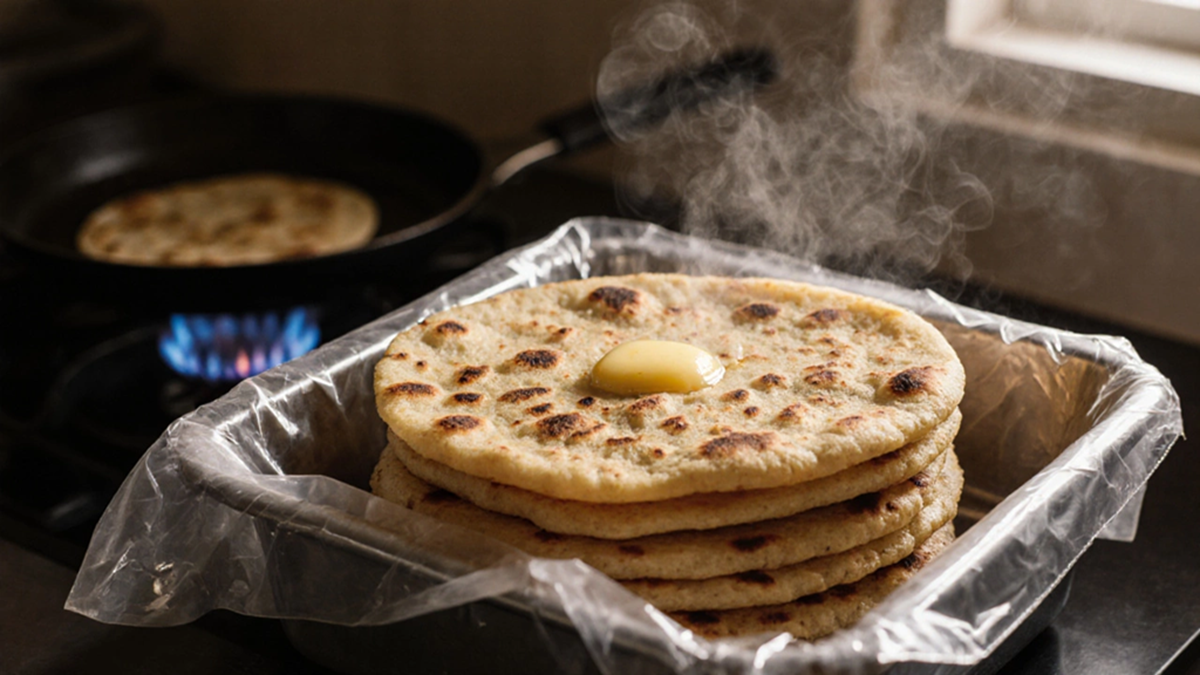
Roti Stays Soft: By immediately keeping the hot roti in a closed container, the steam inside it gets trapped, and after some time, due to condensation, the roti starts becoming wet.

How to prevent roti from getting soggy in the lunch box
How to Keep Roti Soft in Lunchbox: People often think that the biggest problem is roti hardening after a few hours. However, those packing roti for work or school face another major problem. Sometimes, the roti is soft, but after a few hours, it becomes sticky and soggy. Such roti is not at all tasty.
In fact, the biggest reason for this is the steam trapped inside the roti. Immediately after removing it from the pan, the roti is very hot and contains moisture. If it is immediately placed in a closed container, the steam cannot escape. As the temperature inside the container decreases, this steam begins to condense into water droplets, and the moisture condenses back onto the surface of the roti. This can cause the roti to become soggy, sticky, and rubbery instead of soft. Therefore, to keep the roti soft for a long time, it is not only important to keep it warm, but also to properly control the moisture.
Do this small thing before packing the roti
The most common mistake is placing roti directly from the pan into the lunch box. Immediately placing hot roti in a closed container traps the steam inside, and after some time, condensation causes the roti to become soggy. To avoid this, place the roti on an open plate or clean cloth for about 30 to 60 seconds after removing it from the pan. This will allow any excess steam to escape. Be careful not to leave the roti open for too long, or it will begin to lose moisture and may dry out.
It is also important for the bread to rise well.
When making roti, the rise of the roti not only looks good, but it also affects its texture. When roti rises properly, a small pocket of steam forms inside it. This helps retain moisture and keeps the roti soft for a longer period of time. If the roti does not rise properly or is overbaked, the moisture content can quickly diminish. Such roti may feel harder after a few hours.
The right way to keep roti in your lunch box
Stacking rotis directly on top of each other in a container can also be problematic. Steam and moisture between the hot rotis cannot escape, causing the rotis placed below to become more soggy. Therefore, wrapping the rotis in a clean, dry cotton cloth is a better method. The cloth helps absorb excess moisture and prevents the rotis from completely evaporating. Placing a thin layer of cloth above and below the rotis can also be beneficial. If using tissue paper, it can also help absorb excess moisture. However, for long-term storage, a clean cotton cloth is a more practical option.
The softness of the roti is also determined by the flour.
Keeping roti soft for hours begins not with storing it in a container, but with kneading the dough. If the flour is too dry or hard, the roti made from it can harden quickly. Lukewarm water can be used when kneading the dough. If desired, a small amount of milk can also be used. Adding 1 to 2 teaspoons of oil or ghee to the dough can also help maintain the soft texture of the roti. After kneading the dough thoroughly, covering it for about 20 to 30 minutes is also beneficial. This allows the water to mix well with the flour and can improve the texture of the roti.
Why do the bottom rotis become more moist?
Often, rotis placed at the bottom of a lunch box become more moist or sticky. This is because moisture present at the top can accumulate at the bottom. If the rotis are in direct contact with the base of the box, moisture can remain there for a longer time. To avoid this, place a clean, dry cloth or a thin layer of suitable food-grade paper at the bottom of the box. Place the rotis wrapped in the cloth on top of this cloth. This will reduce the direct contact of the rotis with accumulated moisture.
Don't make this mistake while trying to keep the roti warm
Many people place roti in a very hot container to keep it warm for longer. However, excessive heat and steam can also spoil the texture of the roti. Overheating can reduce the moisture content of the roti, leaving it dry and hard. Similarly, roti should be avoided in the same container with vegetables. Steam and moisture from the vegetables can reach the surface of the roti, making it soggy. Therefore, it is better to have separate containers for roti and vegetables.
What happens to the bread after 4 to 6 hours?
As the bread cools, its moisture gradually moves from one place to another. This also causes a change in the starch, a process called starch retrogradation. This process can make the bread harder over time. However, if excess steam and moisture are trapped in the container, the bread may become soggy and sticky instead of firm. Therefore, the key to keeping bread fresh for a long time is not to eliminate moisture completely, but to maintain it in balance.
Remember these 3 things to keep the roti soft for 6 hours
Don't store the rotis in a sealed container immediately after removing them from the pan. Let them steam for 30 to 60 seconds. Afterward, wrap the rotis in a clean, dry cotton cloth. Also, knead the dough well and let it rest for a while. Most importantly, avoid overcooking the rotis and avoid storing them in the same container as highly moist foods like vegetables.