
LIFESTYLE
Rib Remodeling Surgery: Why are women getting their ribs broken? How dangerous is rib remodeling surgery?
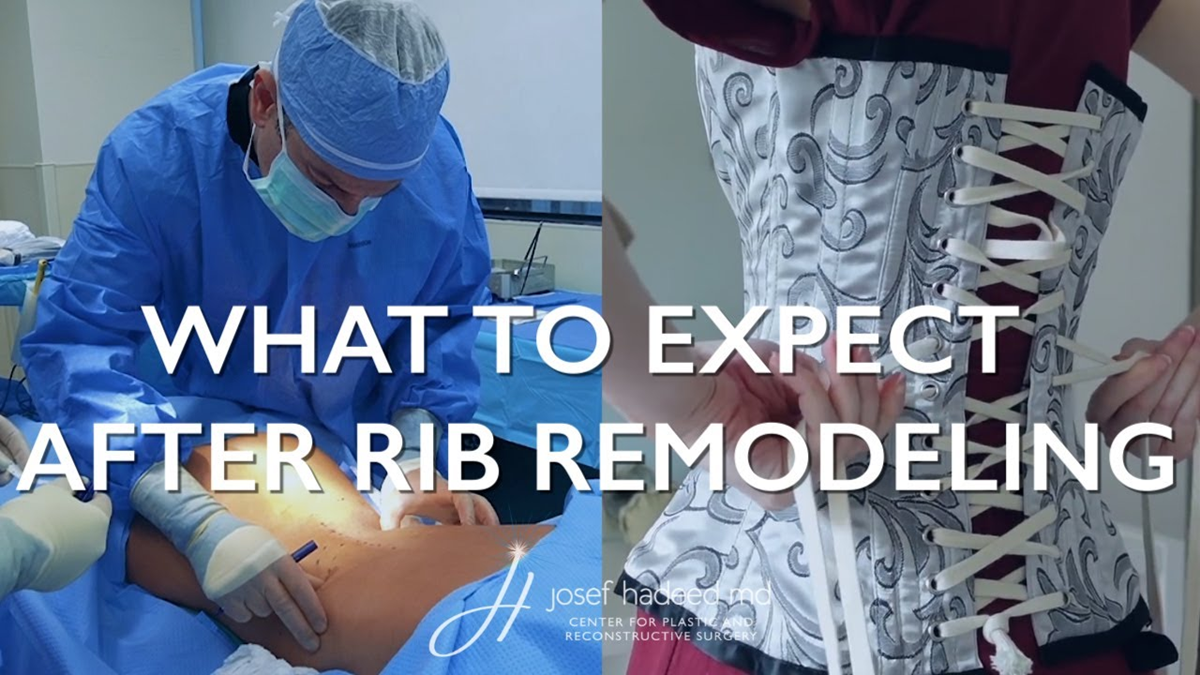
Complications: Rib modeling involves deliberately fracturing or weakening the lower ribs and then repositioning them inward. The purpose is to make the waist appear smaller.
What Is Rib Modeling Surgery For a Slim Waist? Women resort to various types of cosmetic surgeries in pursuit of a slim waist and a curvaceous figure. Rib modeling surgery is now in the news. This procedure involves altering the shape of the lower ribs to make the waist appear slimmer. This is why this surgery is constantly gaining attention on social media and in the world of cosmetic surgery.
The most talked-about aspect of rib modeling is that it doesn't remove the ribs, but rather alters their position and structure. The purpose of this procedure is to alter the shape of the rib cage to make the waist appear narrower. This means it's not just a procedure to remove excess fat or tighten skin, but rather to address the structure of the ribs.
Ribs are intentionally weakened or fractured
According to Dr. Anil Rajani, rib modeling involves deliberately fracturing or weakening the lower ribs and then repositioning them inward. The goal is to make the waist appear smaller. He says published studies have shown a reduction in waist size with this procedure. However, rib modeling is not the same as older rib removal surgeries. Rib removal involves removing a portion of the rib, while newer techniques involve weakening or fracturing the ribs in a controlled manner, repositioning them, and stabilizing them.
Some recent studies have shown positive results. A 2026 systematic review and meta-analysis included four studies and 318 patients. An average waistline reduction of approximately 8.6 centimeters was observed after three months. However, research in this area is limited, and long-term outcomes are not well known.
Why is the trend increasing among women?
There has also been a growing demand for this procedure in the United States. According to Dr. Joseph Hadid and Dr. Andre Marshall, interest in rib modeling has increased rapidly in recent years. Many women want a permanent waistline that resembles the curves created by wearing a corset. This is sometimes done in conjunction with other cosmetic procedures, such as liposuction. Many patients initially seek information about rib removal, but later learn about rib modeling.
What happens in surgery?
Rib modeling involves working on the lower ribs. According to Dr. Hadid, two small incisions are made in the lower back and the lower three ribs are partially fractured. According to Dr. Marshall, this procedure is performed under general anesthesia. The position of the ribs and lungs is assessed using ultrasound. A special instrument is then used to operate on the rib surface in a controlled manner, applying pressure to fracture the ribs. The ribs are not removed.
A corset may be required after the procedure. According to Dr. Marshall, in some cases, it may be worn for about three months to allow the ribs time to stabilize in their new position. According to Dr. Hadid, a 2- to 4-inch difference in waistline may be visible, and this change may be even greater with liposuction.
How dangerous is rib modeling?
This is where the biggest question about this surgery arises. The ribs are very close to the lungs, so intentionally altering the bone structure cannot be considered completely risk-free. Complications such as improper bone union, abnormalities on both sides, and pneumothorax, a lung collapse caused by air accumulation around the lungs, can occur. A 2026 global survey based on 2,351 records reported an overall complication rate of 3.7 percent, with a pneumothorax rate of 0.17 percent. Healing problems, burns, skin changes, and pressure from the postoperative corset were also reported in some cases.
Another 2026 multicenter study involving 3,805 patients found an average waist reduction of 11 centimeters at one year following a minimally invasive technique. However, complications such as pneumothorax, hemothorax, and long-term pain were also reported in some patients. Therefore, waist reduction and the safety of surgery are two different things. While initial results appear encouraging, most research is based on small samples and limited follow-up.