LIFESTYLE
Refrigerator Food Storage: Do you keep food on any shelf of the fridge? Learn the right place.
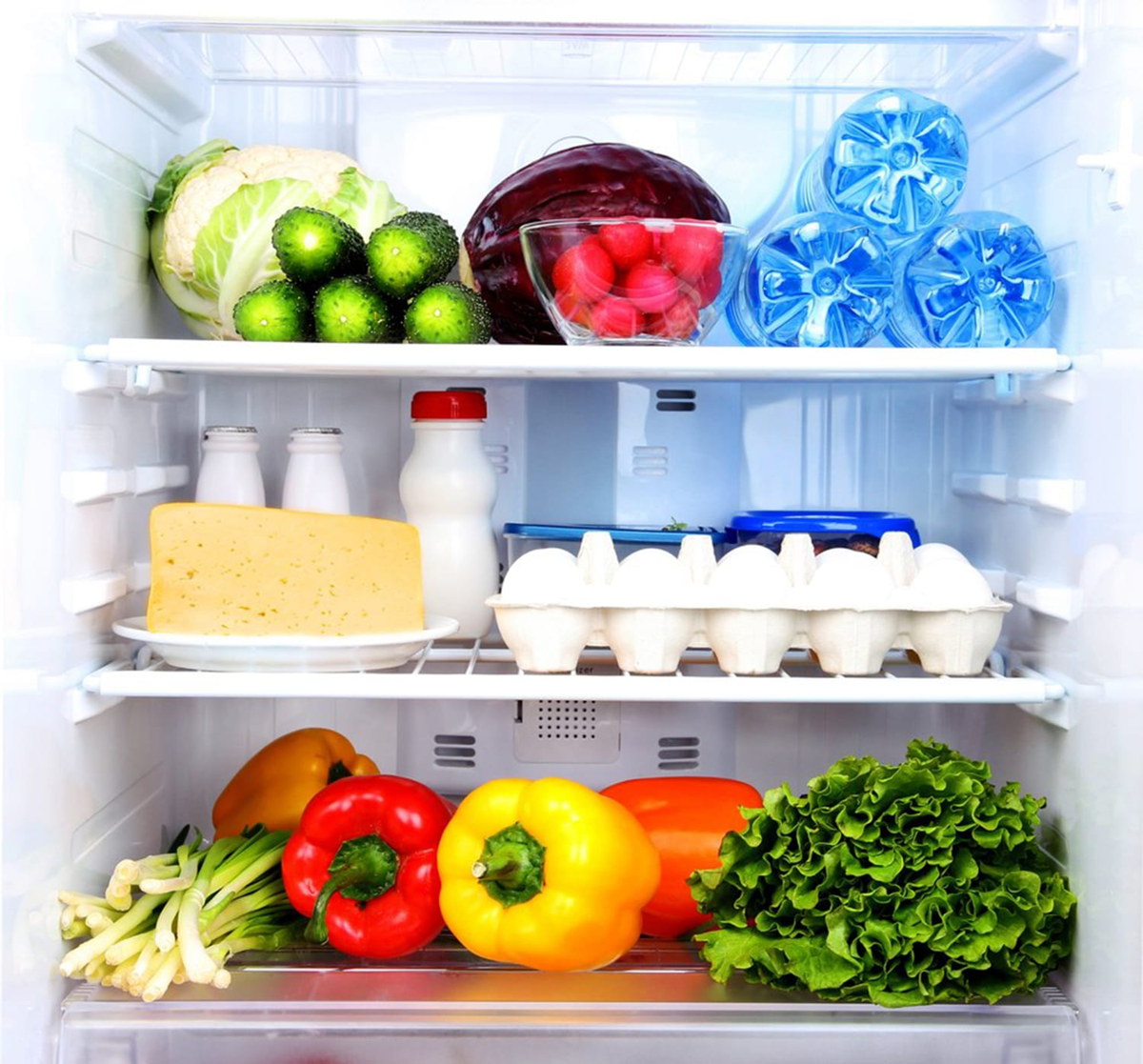
Kitchen Tips: Storing the right food at the right place not only keeps things fresh for a longer period of time, but also reduces the risk of odor, moisture, and food getting spoiled by each other in the fridge.
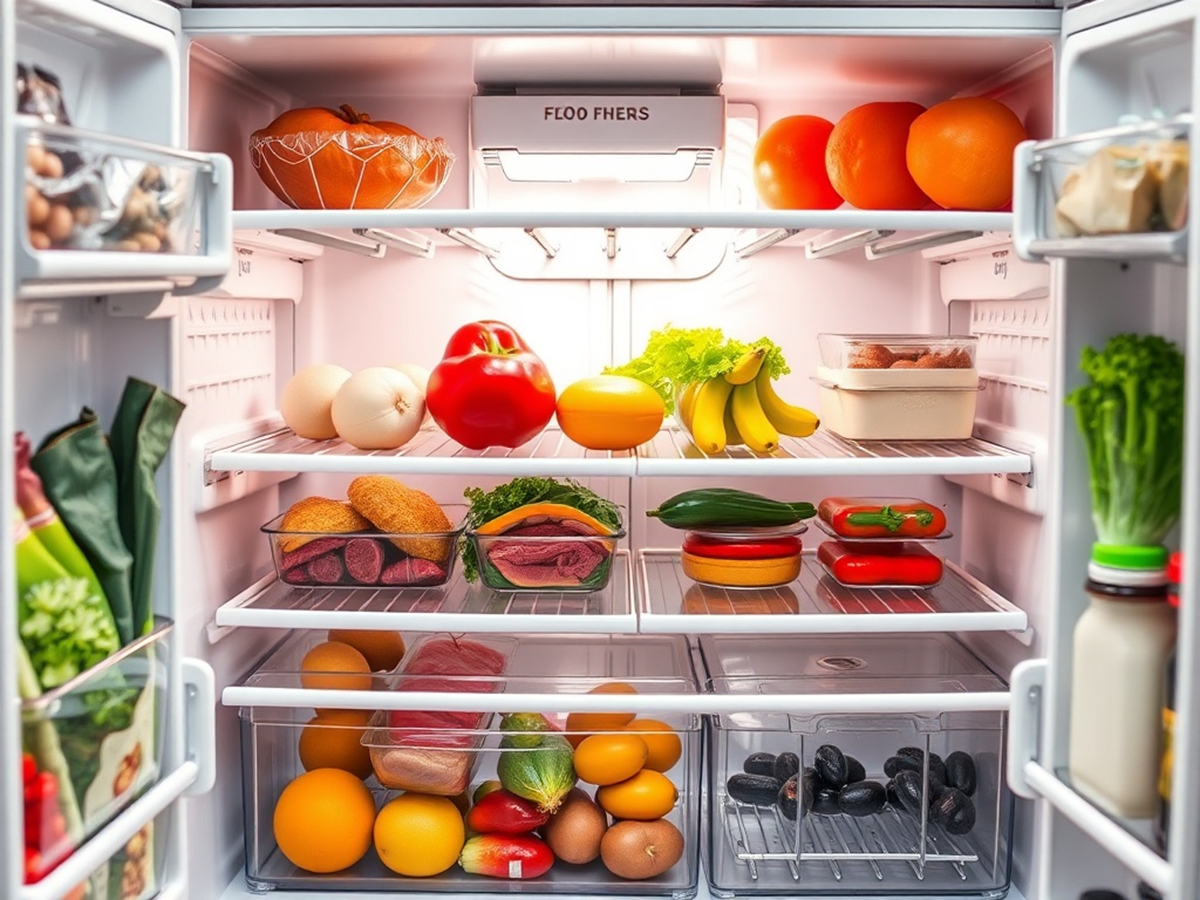
The right way to store food in the fridge
Correct Shelf For Storing Food In Fridge: Storing food in the fridge isn't just about keeping it cool. Putting everything on any shelf can cause the food to spoil faster or lose its freshness. The temperature isn't the same everywhere inside the fridge. Each space, including the top shelf, the middle shelf, the bottom shelf, the vegetable tray, and the door rack, is used for different purposes. Storing the right food in the right place not only keeps things fresh for longer, but also reduces the risk of odors, moisture, and cross-contamination.
First, keep the refrigerator temperature correct.
It's best to keep the refrigerator temperature around 4 degrees Celsius. This helps slow the growth of bacteria in food. Excessively hot temperatures can cause food to spoil faster, while keeping it too cold can affect the quality of some vegetables and other items. Leaving the refrigerator door open frequently and for long periods of time also causes the temperature inside to fluctuate. Therefore, remove items as needed and close the door immediately.
What to put on the top shelf?
It's best to store food that's ready to eat directly on the top shelf of the refrigerator. This includes leftover cooked food, yogurt, jam, and other ready-to-eat items. Always store leftover food covered or in an airtight container. This prevents the food from absorbing odors from other refrigerator items and also keeps moisture at bay.
What is the middle shelf for?
The middle shelf can be used to store perishable items like milk, paneer, cheese, tofu, and eggs. The temperature here is generally more stable, making it a better location for dairy and other perishable foods. It's best to store eggs on the inside shelf rather than on the tray in the refrigerator door, as the temperature there fluctuates frequently when the door is opened. It's also a good idea to store eggs in their original cartons.
Place raw meat and fish at the bottom
If raw chicken, meat, or fish are to be stored in the refrigerator, they should be placed on the lowest shelf. This is not only for cooling but also for safety. Water or juice from raw meat can contaminate anything below it. Therefore, always store raw meat and fish in a closed container or plate and place it on the lowest shelf. If the meat is not to be used within the next day or two, freezing it may be a better option. For long-term storage, the freezer temperature is kept around -18 degrees Celsius.
Keep vegetables in the vegetable tray only
A separate crisper or vegetable drawer is provided in the refrigerator for vegetables. Its purpose is to maintain better humidity around the vegetables, preventing them from wilting quickly. It is better to store vegetables in this tray rather than spreading them unnecessarily on an open shelf. However, avoid cramming them too tightly, as proper air circulation is essential. Before storing fruits and vegetables together, keep in mind that some fruits release ethylene gas, which can cause other vegetables stored nearby to spoil faster. Therefore, it is better to keep them separate.
What to put in the fridge door?
The refrigerator door is the most exposed to temperature changes, as every time the door is opened, outside air enters. Therefore, it's not advisable to store milk, eggs, or perishable items here. Sauces, pickles, jams, butter, and other condiments can be stored in the door racks. Juices and some packaged drinks can also be stored here.
Some things don't need to be kept in the fridge.
It's not necessary to keep every food item refrigerated. Bananas can turn black quickly in extreme cold. Onions and garlic are best stored in a dry, well-ventilated area. Potatoes should also be stored in a cool, dry place outside the refrigerator. Bread can dry out quickly if stored in the refrigerator. If it needs to be stored for a long time, the freezer may be a better option. Tomatoes may also be best kept at room temperature until they are fully ripe. Once ripe, they can be refrigerated as needed.
Don't overfill the refrigerator
Another common mistake when filling the refrigerator is that people overfill each shelf, leaving no room for cold air to circulate. This can make it difficult to maintain a consistent temperature inside the refrigerator. Therefore, keep some space between items and avoid covering air vents with containers or packages. It's also a good practice to write the date on leftover food so that old food can be used in a timely manner.