LIFESTYLE
Quit Sugar For 30 Days: What will happen if you give up sugar for 30 days, kow how much your body will change.
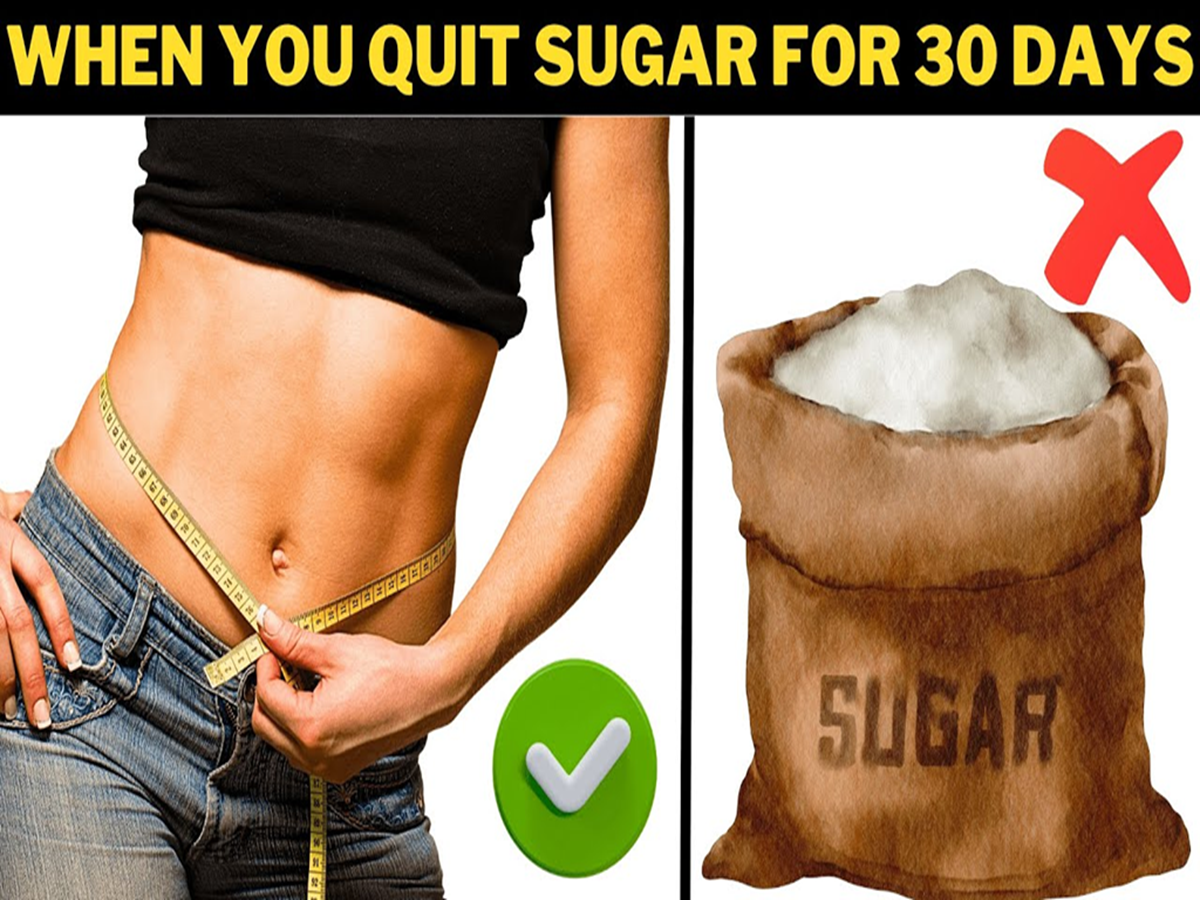
Type 2 Diabetes: The habit of eating too much sugar can increase the risk of many serious problems like obesity, type 2 diabetes, heart disease, and fatty liver. Let us tell you the benefits of quitting.
Benefits of not eating sugar for 30 days
What Happens If You Quit Sugar For 30 Days: If you give up sugar for 30 days, its effects can be seen not only on weight but also on many parts of the body. In fact, a high sugar intake can increase the risk of many serious problems like obesity, type 2 diabetes, heart disease, and fatty liver. This is why many people today adopt the "no sugar challenge" and eliminate excess sugar from their diets for a period of time.
Why are people adopting it?
This challenge doesn't mean giving up naturally sweet fruits, vegetables, or milk. It simply recommends avoiding foods with added sugar, such as cold drinks, sweets, candy, cakes, cookies, sweetened beverages, flavored yogurt, packaged juices, and various sauces. Instead, it's recommended to eat fresh fruits, green vegetables, whole grains, pulses, eggs, fish, chicken, nuts, and a balanced home-cooked diet.
What is the benefit of this?
According to the health information website Healthline, if you avoid added sugar for 30 consecutive days, the first benefit will be seen on your blood sugar. Frequent consumption of sweets can cause rapid increases in blood sugar levels, which can increase the risk of insulin resistance and type 2 diabetes over time. Therefore, reducing sugar can help control blood sugar.
Beneficial for whom?
This change can also prove beneficial for those trying to lose weight. Foods high in sugar are high in calories and low in fiber and protein. Reducing these can reduce excess calorie intake and help manage weight. It can also have a positive effect on dental health. Oral bacteria break down sugar to form acids, which can damage teeth. Reducing sugar intake can also reduce the risk of cavities and tooth decay.
Also beneficial for the liver and heart
Reducing excess sugar is also considered beneficial for liver and heart health. Foods high in fructose, in particular, can increase the risk of fatty liver. Excessive sugar consumption is also linked to problems like high cholesterol, elevated triglycerides, and high blood pressure, which can further increase the risk of heart disease. Some research also suggests that reducing sugar can help maintain more stable energy levels. The immediate energy boost from eating sweets dissipates quickly, leading to fatigue. However, whole grains, fruits, vegetables, and protein-rich foods help provide long-lasting energy.