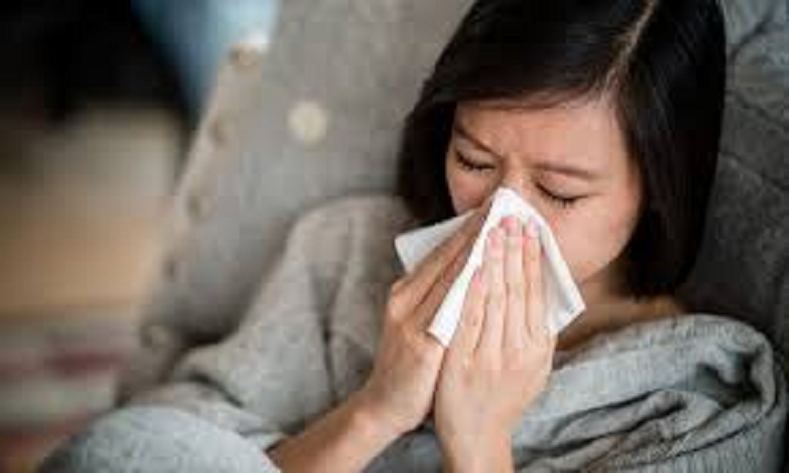
In winter, our body temperature drops below normal, allowing viruses and bacteria to multiply rapidly. The moisture in our nose and throat dries out, making it easier for infections to reach our lungs.
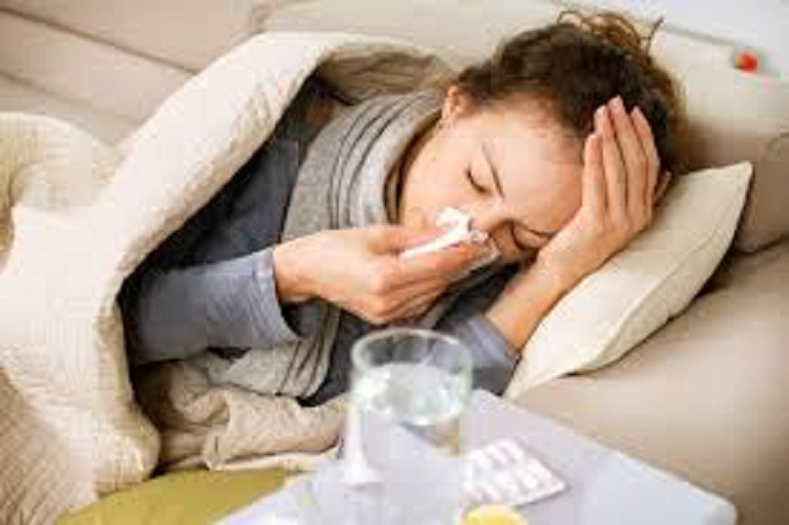
Cold pneumonia cases
As winter approaches, problems like cough, cold, and fever are common in almost every household. Cold air, plummeting temperatures, and weakened immune systems can cause many people to fall ill. Initially, it may seem like a simple cold, but sometimes this mild illness can progress to a more serious infection like pneumonia. Children, the elderly, pregnant women, and those with pre-existing medical conditions are particularly affected during this season.
In winter, the body temperature drops below normal, allowing viruses and bacteria to multiply rapidly. The moisture in our nose and throat dries up, making it easier for infections to reach the lungs. This is why cold weather significantly increases the incidence of pneumonia. So let's explore why pneumonia increases in winter and how to protect ourselves during these times.
Why do cases of pneumonia increase in winter?
1. Cold air weakens the lungs - In winter, breathing in very cold air reaches the lungs. This air affects the lung tissue, making them more susceptible to infection.
2. Closed rooms and poor ventilation - The cold forces people to keep their windows and doors closed. This blocks the flow of fresh air, making it easier for viruses to spread and transmit infections.
3. Weakened immune system - In winter, the body temperature drops, slowing down the immune system. This makes the body less able to fight infections, increasing the risk of pneumonia.
4. Effects of dry air - Cold and dry air reduces the moisture in our nose and throat, making it easier for viruses and bacteria to enter the body.
5. Exacerbation of pre-existing conditions - People with asthma, heart conditions, diabetes, or COPD have increased strain on their lungs during winter. Therefore, they are more likely to develop pneumonia than others.
How to keep yourself safe in such times?
1. Wear warm clothes and avoid cold air - Cold air reaches the nose and lungs directly, so always wear a muffler or mask when going out.
2. Maintain hand hygiene – Viruses spread quickly, so wash your hands frequently or use hand sanitizer.
3. Let fresh air flow into the house – Open the windows for a while to allow air to flow in and out of the room
4. Drink plenty of water - People tend to drink less water in the cold, which can lead to dehydration. Drink water, soup, decoctions, or warm liquids.
5. Eat immunity-boosting food – Eat fruits, vegetables, pulses, dry fruits and foods rich in Vitamin C.
6. Stay away from smoking – Cigarettes weaken the lungs and increase the risk of pneumonia manifold.
7. Get flu and pneumonia vaccinations - Children, the elderly, and people with existing medical conditions should be especially encouraged to get flu and pneumonia vaccinations. These vaccines protect them from serious infections.
8. Keep distance from sick people - Infections spread very fast in winter, so maintain some distance from sick people.