Ayushman Bharat: 89 new health packages are proposed to be added to the Ayushman Bharat scheme. Find out which diseases can be treated, such as anemia, high blood pressure, diabetes, hemorrhoids, hydrocele, and eye diseases.
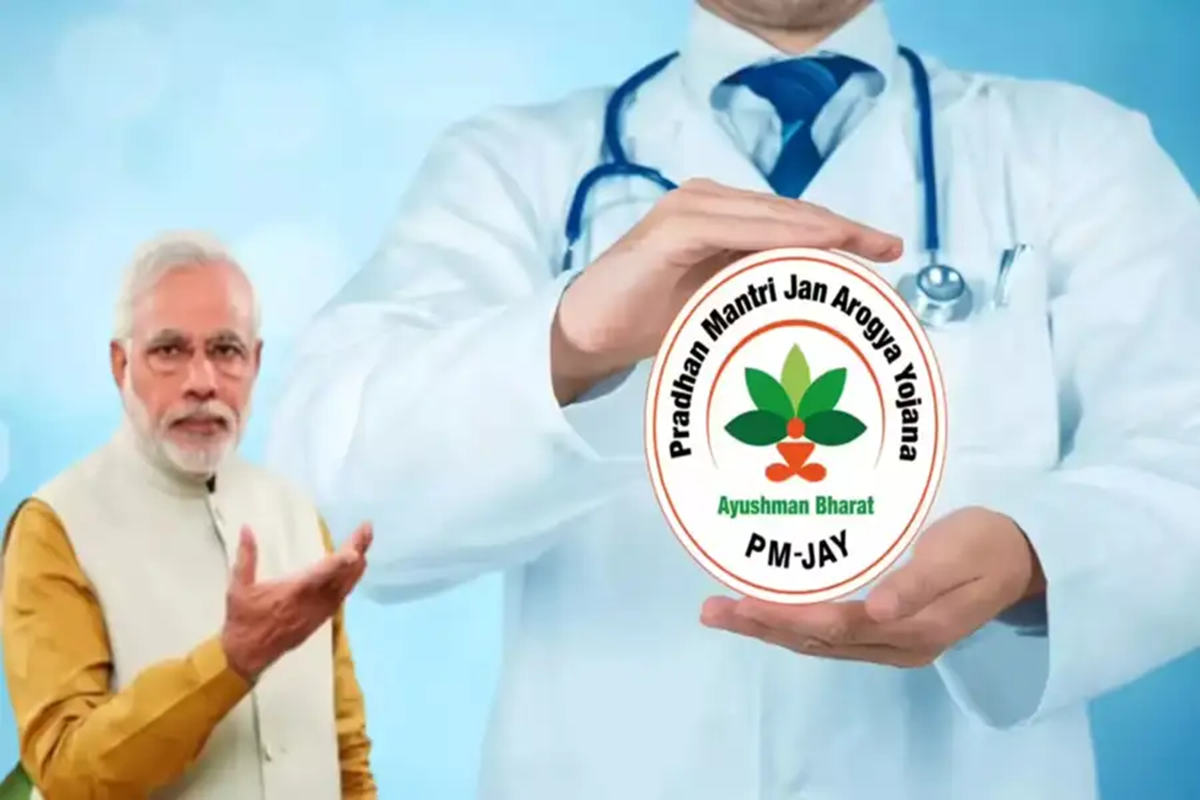
Prime Minister's Public Health Scheme
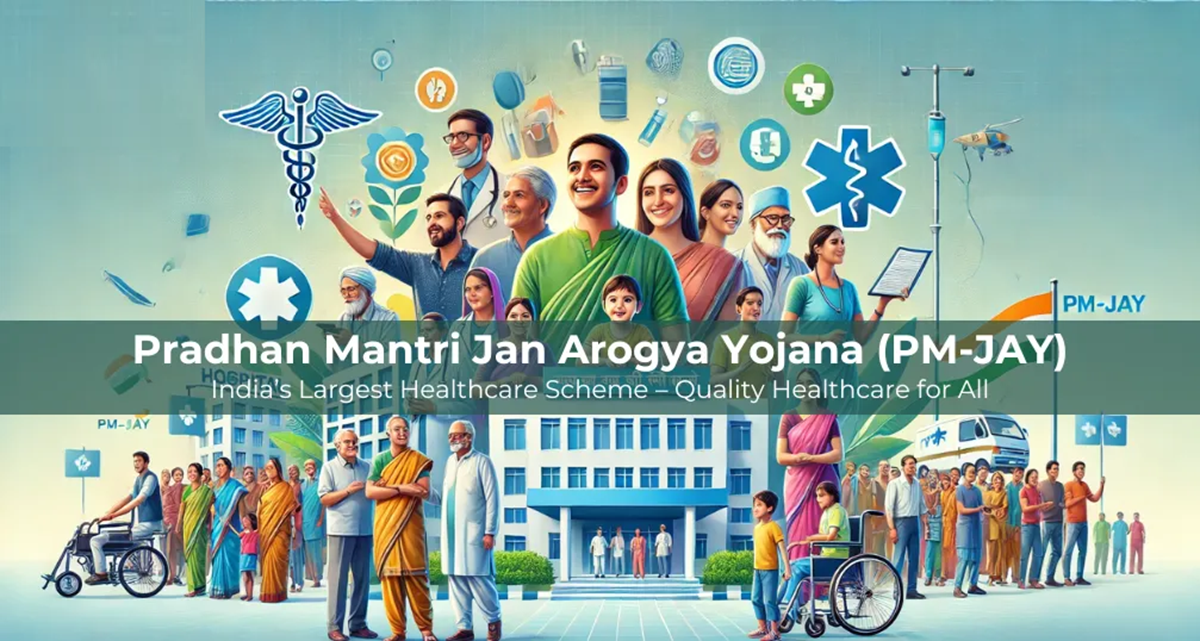
There's good news for beneficiaries of the Ayushman Bharat Pradhan Mantri Jan Arogya Yojana (PM-JAY). The central government is preparing to expand the scope of treatment facilities under this scheme in government hospitals. A proposal has been prepared to add 89 new health packages, increasing the number of health packages reserved for government hospitals from 23 to 112. These new packages will include treatment for severe anemia, high blood pressure, bronchitis, diarrhea, urinary tract infections, and diabetes-related illnesses.
This proposal covers not only the treatment of diseases, but also various surgeries and eye examinations. Hysterectomy surgery, treatment of hemorrhoids, hydroceles, lumps, and cysts may also be covered. Let's explore the changes being made to the Ayushman Bharat scheme and how much benefit it can provide to patients.
89 Which diseases will be covered in the new health package?
The National Health Authority (NHA) has identified 89 additional health packages. These aim to provide treatment for common illnesses and surgeries in government hospitals that often require patients to travel to larger hospitals or other cities. The proposed list covers a wide range of conditions.
- Anaemia and high blood pressure: Treatment is proposed to include treatment for severe anaemia, i.e., severe blood loss, and rapidly progressing high blood pressure. Both of these conditions can worsen a patient's condition if not treated promptly.
- Respiratory illness: Acute bronchitis is also included in the proposed package. This condition causes inflammation of the airways. Patients may experience cough, phlegm, and difficulty breathing.
- Stomach and intestinal illness: Treatment for conditions such as diarrhea, dysentery, and gastroenteritis is also planned. These illnesses can cause stomach pain, vomiting, diarrhea, and dehydration.
- Urinary and kidney problems: Urinary tract infections (UTIs), renal colic, and several other conditions are also included in the proposed list. UTIs involve urinary tract infections, while renal colic is typically associated with severe pain caused by kidney stones or urinary tract obstruction.
- Fever and Diabetes Complications: There are plans to include treatment for some conditions that cause sudden high fever and some diabetes-related problems in these packages.
From surgery to treatment of piles in women
The proposed 89 health packages also cover a variety of surgeries and other medical procedures, potentially benefiting patients who would otherwise have to go to private hospitals for treatment.
This list includes hysterectomy, or surgery to remove the uterus. Furthermore, procedures such as circumcision and biopsy are also included in the proposal. A biopsy involves taking a small sample of tissue from a part of the body and examining it. This helps diagnose a disease.
Treatment for hydrocele, a male condition that causes fluid to accumulate around the testicles and can lead to swelling, is also included in this list. Treatment for hemorrhoids, cysts, and lipomas is also included in the proposed package.
These two eye diseases will also be examined
Two important eye health tests are also proposed to be included in the new package: screening for diabetic retinopathy and glaucoma.
Diabetic retinopathy is a disease that affects the eyes of people with diabetes. Chronic high blood sugar levels can damage the blood vessels in the retina. If not detected early, it can even lead to vision loss.
Meanwhile, glaucoma, commonly known as black cataract, damages the nerves in the eye. Initially, patients often don't experience symptoms. Failure to diagnose and treat early can lead to permanent vision loss.
Government hospital packages will increase from 23 to 112.
Currently, 23 health benefit packages are reserved for government health centers under the Ayushman Bharat scheme. These packages primarily cover obstetrics and gynecology and mental health services. The National Health Authority has now proposed increasing this number to 112.
This means that 89 additional packages are being made available for government hospitals. However, this should not be interpreted as adding 89 new diseases to the total health packages of the Ayushman Bharat scheme. The scheme's existing health package master already covers 1961 procedures across 27 medical specialties. The new proposal relates to expanding the reserved treatment facilities in government hospitals.
How will patients from villages and small towns benefit?
Patients living in rural areas and small towns are expected to benefit the most from this change. Currently, patients often have to travel from district hospitals to larger cities for even common ailments or minor surgeries.
This increases the cost of travel, lodging, and food, in addition to the cost of treatment. A family member must accompany the patient. Often, the loss of work also impacts the family's income.
When can the new health packages be implemented?
The National Health Authority issued an office memorandum on October 13, seeking suggestions from state health agencies on the proposed package. States have been asked to submit their comments by November 25, 2026.
According to the proposal, after considering suggestions from the states, the revised system is planned to be implemented from December 1, 2026. However, this date is a proposal, and the final system will depend on the response from the states and the government's decision.
States will also be given the flexibility to reduce the number of reserved packages based on their health facilities, with the approval of the respective state government.
How much free treatment is available under Ayushman Bharat Scheme?
Under the Ayushman Bharat Pradhan Mantri Jan Arogya Yojana, eligible families receive cashless treatment up to ₹5 lakh per year. This benefit is family-specific and can be used at listed government and private hospitals as per the scheme's rules.