
Business
PM Surya Ghar Yojana: Rooftop Solar Reaches 66 Lakh Homes, Families Can Cut Electricity Bills and Earn From Surplus Power
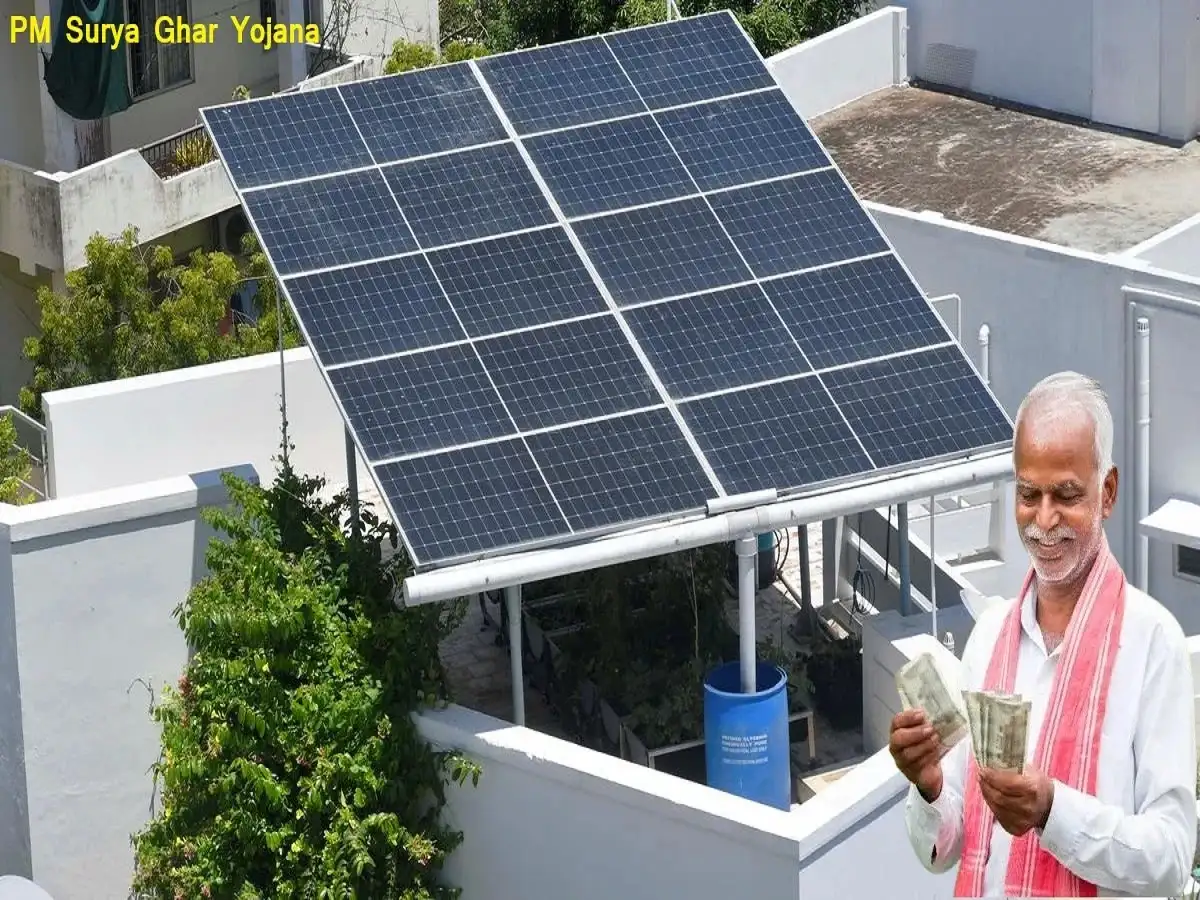
PM Surya Ghar Muft Bijli Yojana 2026: Rising electricity expenses have encouraged many Indian households to explore affordable and sustainable energy alternatives. The central government's PM Surya Ghar Muft Bijli Yojana is helping residential consumers adopt rooftop solar technology, reduce their dependence on conventional electricity and potentially generate additional income.
According to the latest reported figures, approximately 66 lakh households across India have installed rooftop solar systems under the initiative. The government originally introduced the programme with the objective of extending rooftop solar benefits to one crore households.
Apart from reducing monthly electricity expenditure, the scheme allows eligible consumers to export surplus solar-generated electricity to the power grid and receive compensation or billing credits under applicable regulations.
Union Minister for New and Renewable Energy Pralhad Joshi has also highlighted the country's progress in expanding renewable energy infrastructure and accelerating residential solar installations.
Rooftop Solar Installations Witness Remarkable Growth
The pace of residential solar installations has increased considerably since the introduction of the PM Surya Ghar scheme.
According to the reported figures, installing the first one lakh rooftop solar systems took approximately 118 days. The same number of installations is now reportedly being completed within an average of six days.
The government aims to further improve implementation efficiency and reduce this period to five days.
Andhra Pradesh has also recorded significant participation, with approximately 7.86 lakh households reportedly benefiting from the rooftop solar initiative.
PM Surya Ghar Yojana: Key Achievements at a Glance
| Particulars | Reported Details |
|---|---|
| Government's household coverage target | 1 crore households |
| Households with rooftop solar installations | 66 lakh |
| Percentage of target achieved | 66% |
| Time taken for the first 1 lakh installations | 118 days |
| Current average time for 1 lakh installations | 6 days |
| Government's installation speed target | 5 days |
| Beneficiary households in Andhra Pradesh | 7.86 lakh |
The rapid expansion reflects growing interest in residential solar energy and the government's efforts to simplify installation and subsidy procedures.
How Rooftop Solar Can Reduce Monthly Electricity Bills
The primary objective of PM Surya Ghar Muft Bijli Yojana is to make residential solar power more accessible and affordable.
Once rooftop solar panels are installed, households can generate electricity using sunlight. The electricity produced can be used to operate household appliances, including fans, refrigerators, televisions, lighting systems and other electrical equipment.
By generating a portion of their electricity requirements independently, consumers can reduce the amount of electricity purchased from their distribution company.
Households with suitable solar system capacity and moderate electricity consumption may even achieve a zero energy charge in certain billing periods.
However, fixed charges, taxes, seasonal variations in solar generation and electricity consumption patterns may prevent the entire bill from becoming zero.
Can Households Earn Money From Solar Panels?
One of the additional benefits of grid-connected rooftop solar systems is the possibility of exporting unused electricity.
When a household generates more electricity than it consumes, the surplus power can be supplied to the electricity distribution network through an approved metering arrangement.
Depending on state regulations and the policies of the local electricity distribution company, consumers may receive electricity bill credits or financial compensation for eligible surplus power.
For example, consider a household generating 350 units of solar electricity every month while consuming 250 units.
| Particulars | Illustrative Example |
|---|---|
| Monthly solar electricity generation | 350 units |
| Monthly household electricity consumption | 250 units |
| Potential net surplus electricity | 100 units |
| Assumed surplus compensation rate | ₹3 per unit |
| Potential monthly surplus value | ₹300 |
| Potential annual surplus value | ₹3,600 |
This example is for illustration only. Actual electricity exports, billing credits and compensation depend on consumption timing, metering arrangements, state regulations and applicable electricity tariffs.
PM Surya Ghar Yojana: How Much Government Subsidy Is Available?
The central government provides financial assistance to eligible residential consumers installing rooftop solar systems under the scheme.
Under the standard central subsidy structure, eligible households can receive financial assistance of up to ₹78,000 for rooftop solar installations.
| Rooftop Solar Capacity | Standard Central Subsidy |
|---|---|
| 1 kW | ₹30,000 |
| 2 kW | ₹60,000 |
| 3 kW | ₹78,000 |
| Above 3 kW | Maximum ₹78,000 |
Subsidy eligibility, installation requirements and applicable financial assistance should be confirmed through the official scheme portal. Different provisions may apply in certain regions.
How to Apply for PM Surya Ghar Muft Bijli Yojana Online
Interested residential consumers can apply for rooftop solar installation through the government's official portal.
Follow these steps to begin the application process:
- Visit the official website at www.pmsuryaghar.gov.in.
- Register using your state, electricity distribution company and consumer account details.
- Log in using your registered credentials.
- Submit the rooftop solar application.
- Complete the applicable feasibility and approval requirements.
- Select a registered solar installation vendor.
- Complete the rooftop solar installation.
- Apply for the required metering and commissioning procedures.
- Submit the necessary bank account details for subsidy processing.
The subsidy is processed after the applicable installation, verification and commissioning requirements have been completed.
India's Solar Power Capacity Reportedly Reaches 175 GW
India has witnessed substantial growth in renewable energy infrastructure over the past decade.
According to figures highlighted in the source report, the country's installed solar power capacity has increased from approximately 2.8 gigawatts (GW) in 2014 to nearly 175 GW.
Non-fossil fuel energy sources reportedly account for around 55% of India's total installed electricity generation capacity.
The country is working towards achieving 500 GW of installed non-fossil fuel electricity capacity by 2030.
| Energy Sector Indicator | Reported Figure |
|---|---|
| Solar power capacity in 2014 | 2.8 GW |
| Current reported solar capacity | 175 GW |
| Non-fossil share of installed power capacity | Approximately 55% |
| Non-fossil capacity target by 2030 | 500 GW |
| Peak electricity demand in 2012 | 123 GW |
| Recent reported peak electricity demand | 270 GW |
The expansion of renewable energy infrastructure is expected to play an important role in meeting India's growing electricity requirements.
Proposed PM-KUSUM 2 Scheme Could Benefit Farmers
Apart from residential solar installations, the government is reportedly preparing to expand renewable energy opportunities for the agricultural sector through the proposed PM-KUSUM 2 initiative.
The programme is expected to encourage greater adoption of solar-powered irrigation pumps and agricultural energy solutions.
Solar-powered irrigation systems could help farmers reduce their dependence on diesel-powered equipment and conventional electricity supplies.
Lower irrigation expenses and improved access to sustainable energy could contribute to reducing agricultural operating costs.
Detailed eligibility requirements and financial assistance provisions will depend on the final scheme guidelines.
Andhra Pradesh Receives Renewable Energy Investment Proposals Worth ₹43,871 Crore
The renewable energy sector is also attracting significant investment across India.
According to the reported announcement, Andhra Pradesh has received investment proposals worth approximately ₹43,871 crore through 17 Memorandums of Understanding (MoUs) and three government orders.
These proposed investments are expected to generate around 4,700 employment opportunities if implemented as planned.
The development could further strengthen renewable energy infrastructure, encourage industrial growth and create employment opportunities in the clean energy sector.
Rooftop Solar Could Transform Household Energy Expenses
The PM Surya Ghar Muft Bijli Yojana offers eligible households an opportunity to reduce long-term electricity expenses while contributing to India's clean energy transition.
With government subsidies, increasing installation capacity and provisions for exporting surplus electricity, rooftop solar systems are becoming an increasingly accessible option for residential consumers.
However, households should carefully evaluate their electricity consumption, available rooftop space, installation costs and local net-metering regulations before proceeding.
Important Note: The latest beneficiary numbers, energy capacity figures and investment announcements are based on the supplied source report and have not been independently verified against official government releases. Zero electricity bills and additional earnings are not guaranteed for every household.