NEWS
PM Modi on a visit to 5 countries including Argentina, Brazil, Namibia, know everything about the weapon technology in these countries
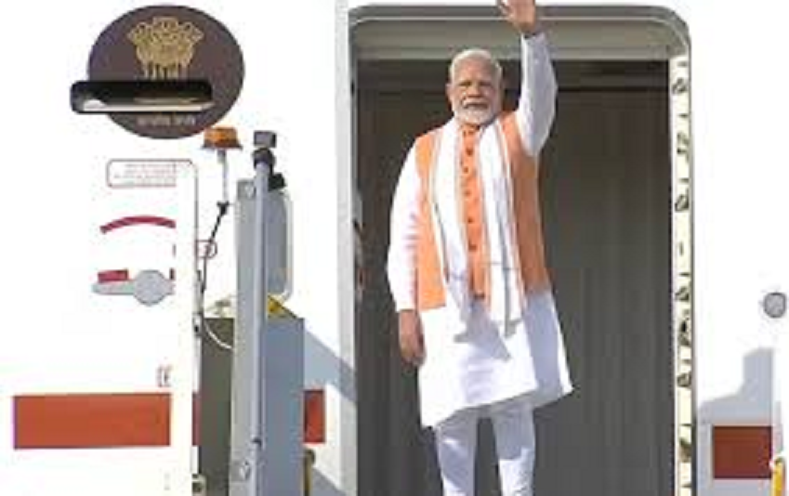
Weapon Technology: Prime Minister Narendra Modi is going on an important visit to five countries from 2 to 9 July 2025 which includes Ghana, Trinidad and Tobago, Argentina, Brazil and Namibia.

Weapon Technology: Prime Minister Narendra Modi is going on an important visit to five countries from 2 to 9 July 2025 which includes Ghana, Trinidad and Tobago, Argentina, Brazil and Namibia. This visit is important not only to strengthen diplomatic and economic relations but will also explore the possibilities of cooperation in the field of defense and weapons technology. Let us take a look at the military and weapons technology of these countries and know what deadly weapons they have.
Ghana: Military capabilities and limited weapons technology
The West African country of Ghana is not as famous for its military might as it is for its gold production. Ghana's military, called the Ghana Armed Forces, focuses mainly on internal security and regional peacekeeping missions. Ghana's military technology is relatively limited and relies on imported weapons. They lack modern tanks or missile systems but use small arms such as assault rifles (AK-47 and its variants) and armored vehicles. Ghana has shown interest in drone technology in recent years but has the least indigenous weapon manufacturing capability. PM Modi's visit could be an opportunity to enhance defense cooperation with Ghana, especially in cyber security and drone technology.
Trinidad and Tobago: Small but strategic army
The Caribbean country Trinidad and Tobago also has a limited military force which focuses mainly on the Coast Guard and internal security. Their army, the Trinidad and Tobago Defence Force, relies on small arms and light armoured vehicles. They have no advanced missile systems or nuclear weapons. However, they have patrol boats and light helicopters for maritime security. They have old cultural and diplomatic ties with India and PM Modi's visit could open new avenues for the supply of defence equipment, such as patrol vessels or surveillance drones.
Argentina: Medium level military technology
Argentina's military power is considered medium-level in South America. The Argentine Armed Forces have old but effective weapons including tanks (TAM - Tanque Argentino Mediano), naval ships, and Mirage fighter jets purchased from France. Their navy has diesel-electric submarines, such as the TR-1700 class. However, Argentina has a limited defense budget which has led to slow modernization. In recent years, they have started investing in drones and cyber warfare technologies. Defense cooperation with India, especially indigenous weapons such as the Brahmos missile, may be a topic of discussion in the future.
Brazil: South America's military superpower
Brazil is South America's largest military power and its military is capable of maintaining regional influence. Brazil's military technology includes advanced weapons such as the Embraer A-29 Super Tucano fighter aircraft, ASTROS II multiple rocket launcher system and Scorpion-class submarines. Brazil has recently launched a nuclear-powered submarine program that will further strengthen it as a regional power. Defence cooperation between India and Brazil already exists, especially in missile and aviation technology. PM Modi's visit can further deepen this cooperation, especially for the export of indigenous weapons such as the Akash missile and the D4 anti-drone system.
Namibia: Limited but strategic military capabilities
Namibia's military force is small, but it is active in regional peacekeeping missions. The Namibia Defence Force relies mainly on light weapons, such as assault rifles and armoured personnel carriers (APCs). They have some old Russian-origin tanks (T-55) and Chinese-built naval patrol vessels. Namibia has shown interest in drones and surveillance equipment in recent years. Namibia's nuclear cooperation with India is notable and PM Modi's visit could boost the supply of defence equipment and training programmes.