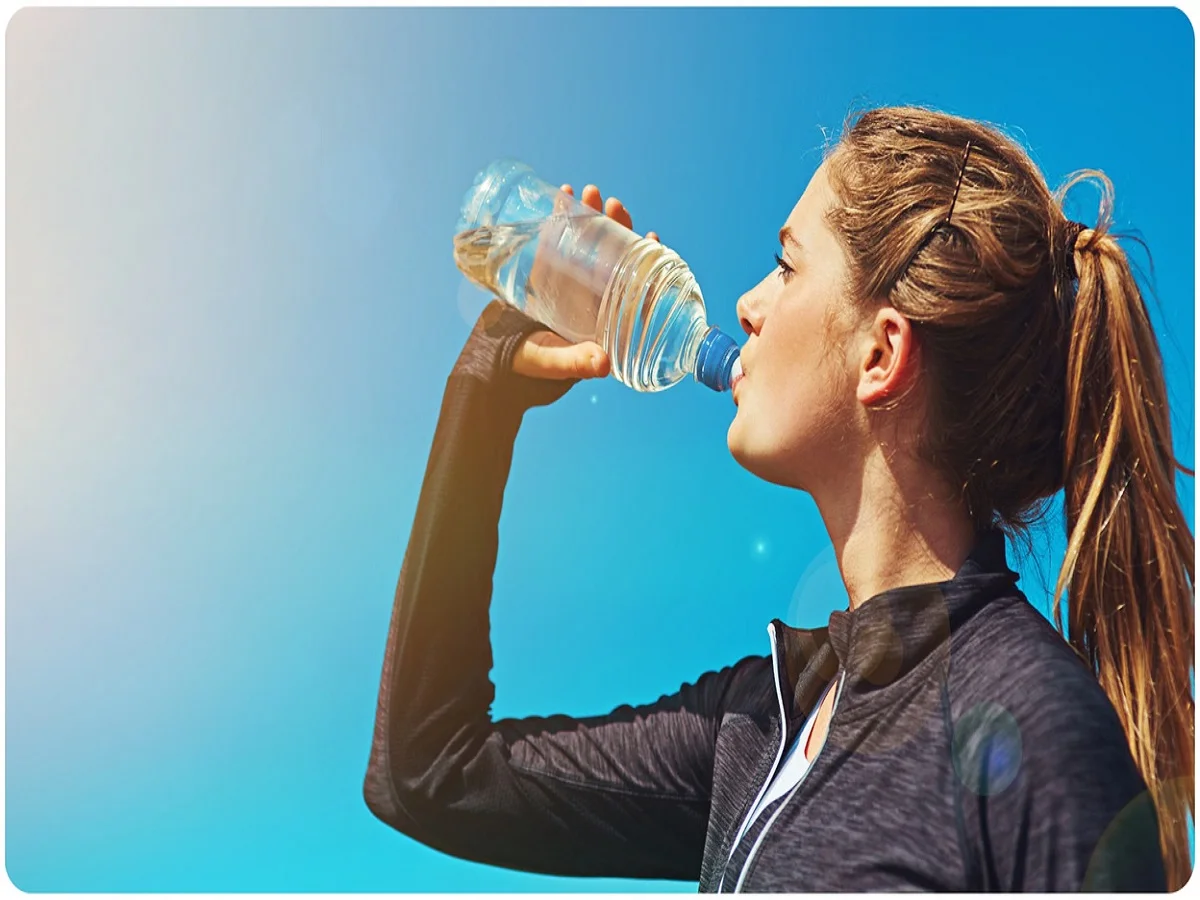
Plastic water bottles have become an essential part of modern life. Whether at home, in the office, at the gym, or while traveling, millions of people rely on them because they are lightweight, inexpensive, and convenient to carry.
However, health experts caution that improper use and repeated reuse of certain plastic bottles may pose potential health risks. While plastic bottles are generally considered safe when used as intended, factors such as heat exposure, wear and tear, and poor hygiene can affect their safety over time.
Here’s a closer look at some of the concerns associated with plastic water bottles and how you can use them more safely.
Chemicals May Leach Into Water Under Certain Conditions
Some plastic containers contain chemical compounds that can migrate into the water stored inside them, particularly when the bottles are exposed to high temperatures or used beyond their intended lifespan.
The risk can increase when bottles are:
- Left in direct sunlight
- Exposed to extreme heat
- Stored inside hot vehicles
- Reused repeatedly despite being designed for single use
Although the amount of chemical transfer can vary depending on the type of plastic and environmental conditions, experts generally recommend avoiding unnecessary heat exposure.
Heat Can Increase Potential Risks
One of the most common mistakes people make is leaving plastic water bottles inside parked cars or other hot environments.
When temperatures rise, the plastic material may begin to break down more quickly, potentially affecting water quality. High heat can also alter the taste and odor of the water.
To reduce risk, it is advisable to store water bottles in cool, shaded places whenever possible.
Possible Effects on Hormonal Health
Some chemicals historically used in certain plastic products have been studied for their potential impact on the endocrine system, which regulates hormones in the body.
Researchers have investigated substances that may act as endocrine disruptors, meaning they could interfere with normal hormonal functions under specific exposure conditions.
While regulations in many countries have restricted or reduced the use of some of these chemicals in food and beverage containers, experts still recommend using high-quality, food-grade bottles and replacing damaged containers promptly.
Single-Use Bottles Are Not Designed for Repeated Refilling
Many disposable plastic bottles are intended for one-time use only.
Repeated refilling and prolonged use can lead to:
- Surface scratches
- Cracks and wear
- Material degradation
These small imperfections can make bottles harder to clean thoroughly and may create spaces where microorganisms can accumulate.
If you regularly carry drinking water, a reusable bottle made from stainless steel, glass, or durable BPA-free materials may be a safer long-term option.
Bacteria Can Build Up Over Time
One of the biggest concerns associated with reusable or repeatedly used plastic bottles is bacterial contamination.
When bottles are not cleaned properly, moisture and residue can create an environment where bacteria and other microorganisms thrive.
The risk increases when:
- Bottles are used for several days without washing
- Bottle caps are rarely cleaned
- Water remains stored for long periods
- Bottles are shared among multiple people
Regular cleaning with warm water and mild soap can help reduce bacterial growth and maintain hygiene.
Tips for Safer Bottle Use
To minimize potential risks, consider the following precautions:
Avoid Heat Exposure
Keep bottles away from direct sunlight and hot environments.
Replace Damaged Bottles
Discard bottles that show cracks, discoloration, or significant wear.
Wash Reusable Bottles Daily
Clean both the bottle and cap thoroughly to prevent bacterial buildup.
Use Reusable Alternatives
Consider stainless steel or glass bottles for long-term daily use.
Check Plastic Safety Labels
Choose bottles labeled as food-grade and suitable for repeated use.
Should You Stop Using Plastic Bottles?
Plastic bottles remain widely used and can be safe when used correctly. The greater concern lies in improper handling, excessive heat exposure, and repeated use of disposable bottles.
By following proper hygiene practices and choosing high-quality containers, consumers can reduce potential risks and ensure safer hydration habits.
Disclaimer: This article is for informational purposes only and should not be considered medical advice. Consult healthcare professionals or relevant safety guidelines for personalized recommendations regarding health and plastic exposure.