NEWS
Petrol and Diesel Prices May Rise Soon Amid Global Oil Crisis, Experts Predict Hike After PM Modi’s Appeal
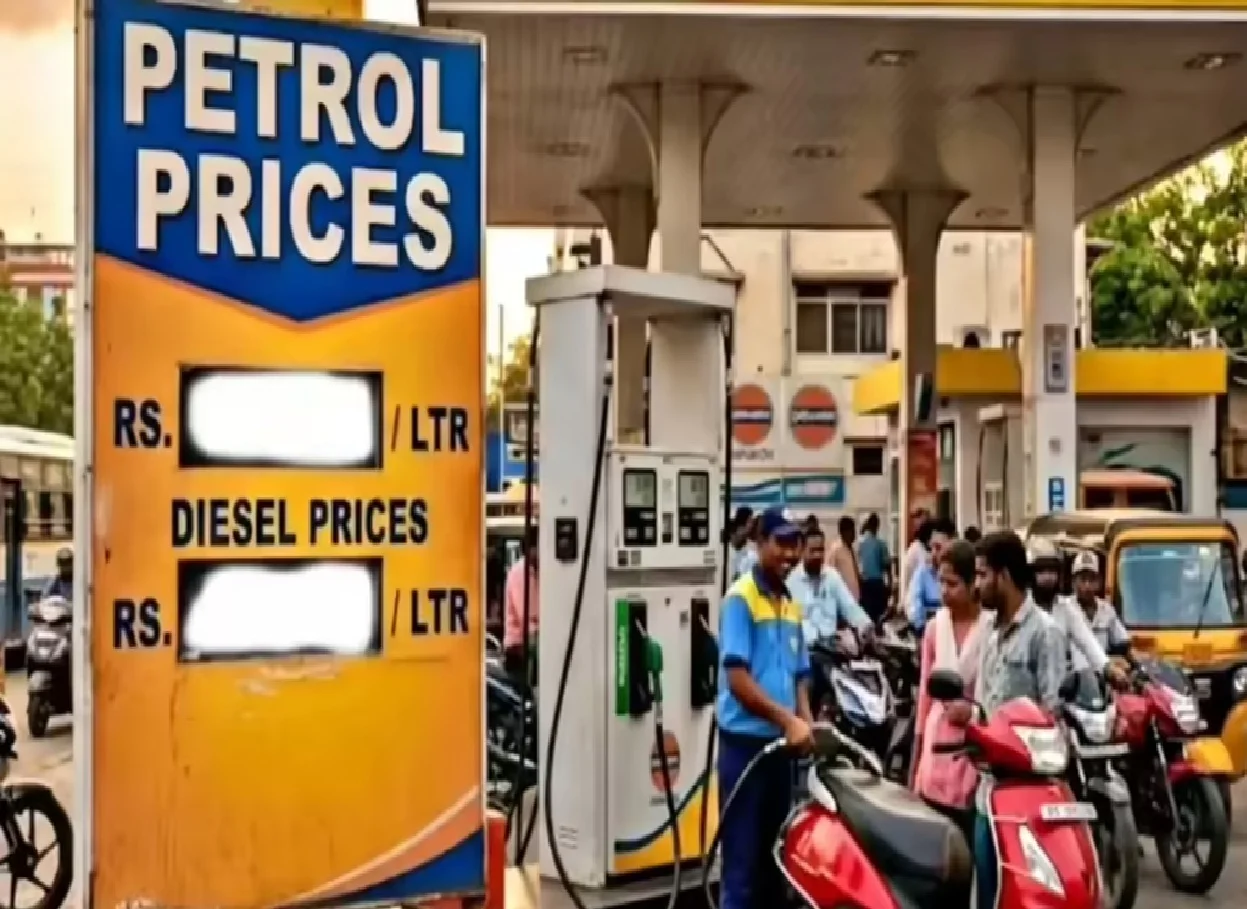
India could soon witness another increase in petrol, diesel, and LPG prices as the ongoing geopolitical tensions in West Asia continue putting pressure on global crude oil markets. Rising international oil prices, coupled with concerns over India’s growing import bill, are reportedly forcing oil companies and policymakers to reassess fuel pricing in the coming days.
The situation has intensified following the prolonged Iran-related conflict in West Asia, which has disrupted energy markets globally and created fresh uncertainty around crude oil supplies. Experts believe the pressure on oil marketing companies (OMCs), government finances, and foreign exchange reserves may eventually lead to higher fuel prices for consumers.
Fuel Prices Could Rise After May 15
According to reports citing economists and industry experts, petrol and diesel prices in India may gradually increase after Friday, May 15.
The report suggests:
- Petrol prices could rise by ₹4–₹5 per litre
- Diesel prices may also increase by a similar amount
- LPG cylinder prices could go up by ₹40–₹50
Economists say oil marketing companies are currently under financial pressure because retail fuel prices are reportedly being maintained below actual cost levels despite rising crude oil prices internationally.
Experts believe continued losses for OMCs may eventually force price revisions if global oil prices remain elevated.
West Asia Conflict Triggering Energy Concerns
The latest concerns began after tensions in West Asia escalated earlier this year, impacting global energy markets.
The conflict involving Iran and uncertainty surrounding negotiations with the United States have raised fears of prolonged instability in oil-producing regions.
Since India imports a large portion of its crude oil requirements, any disruption in international supply chains or increase in crude prices directly affects:
- Fuel prices
- LPG rates
- Transportation costs
- Inflation levels
- Government expenditure
Experts warn that if geopolitical tensions continue, energy prices could remain volatile for an extended period.
PM Modi Appeals for Controlled Fuel Consumption
Amid the growing concerns, Prime Minister Narendra Modi recently urged citizens to reduce unnecessary fuel consumption and use petroleum products more carefully.
Speaking at a public event, the Prime Minister encouraged people to:
- Use public transport whenever possible
- Prefer carpooling
- Reduce excessive fuel consumption
- Work from home where feasible
According to the Prime Minister, reducing dependence on imported petroleum products could help conserve foreign exchange reserves and reduce the broader economic impact of global conflicts.
He also emphasized that careful fuel usage has become necessary during the current international situation.
Why Rising Crude Oil Prices Matter for India
India remains heavily dependent on imported crude oil to meet domestic energy demand.
Products significantly affected by crude oil price movements include:
- Petrol
- Diesel
- LPG cylinders
- Aviation fuel
- Transportation services
When global crude prices rise, India’s import costs increase sharply, placing pressure on:
- Government finances
- Trade balance
- Inflation control
- Foreign exchange reserves
Economists say sustained high crude prices can eventually affect household expenses and transportation costs across the economy.
Oil Companies Reportedly Facing Pressure
Industry experts suggest oil marketing companies are currently balancing consumer affordability with rising procurement costs.
If global oil prices continue rising, OMCs may struggle to absorb losses for a long period without retail price adjustments.
Analysts believe gradual fuel price increases are more likely than sudden sharp hikes, although the final decision will depend on international market conditions and government policy considerations.
LPG Prices Also Under Watch
Apart from petrol and diesel, domestic LPG cylinder prices are also reportedly under pressure because of rising international energy costs.
Experts estimate that LPG prices could increase by around ₹40–₹50 if global crude and gas prices remain elevated.
Any LPG price increase could directly affect household budgets, especially in urban and middle-class families.
Public Concern Growing Over Inflation Impact
Possible fuel price hikes are already raising concerns among consumers because transportation and logistics costs directly influence the prices of everyday goods and services.
Higher fuel prices can affect:
- Food transportation
- Public transport fares
- Delivery charges
- Manufacturing costs
- Agricultural operations
Economists warn that sustained increases in fuel costs may contribute to broader inflationary pressure in the coming months.
Global Situation Will Remain Key Factor
Experts say the future direction of fuel prices in India will largely depend on how the geopolitical situation in West Asia develops.
If crude oil prices stabilize internationally, the pressure on domestic fuel prices could reduce. However, if tensions continue escalating, consumers may have to prepare for higher energy costs in the near future.