NEWS
Pakistan Faces ₹2250 Crore Water Crisis as Afghanistan Halts River Flow; India-Backed Dams Intensify Shortage
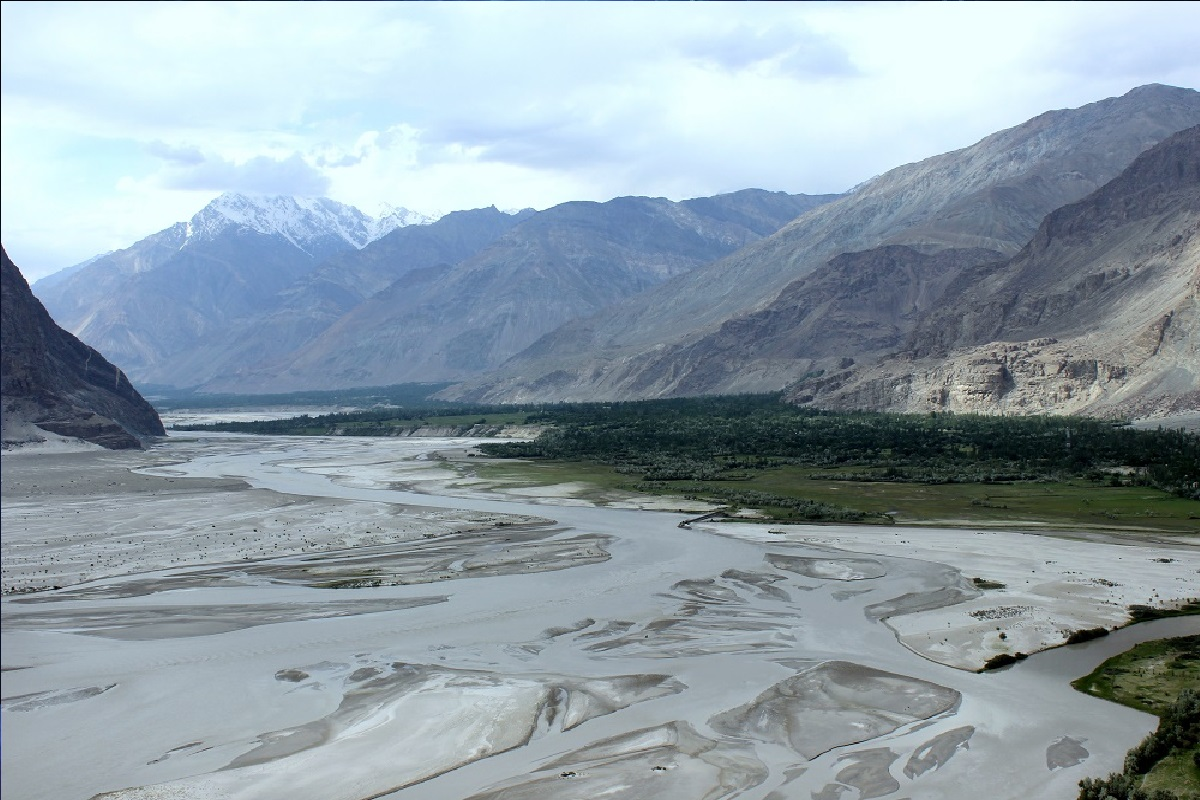
Pakistan’s water woes have deepened dramatically after Afghanistan cut off river flows to its neighbor, following India’s withdrawal from the Indus Waters Treaty. The development could force Pakistan to spend up to ₹2250 crore ($27 million annually) just to meet drinking water needs in regions like Khyber Pakhtunkhwa, triggering a crisis with far-reaching impacts on agriculture, power, and economy.
🔴 What Triggered the Crisis?
- In response to growing tensions and Pakistan’s continued harboring of terrorist groups, Afghanistan has blocked rivers flowing into Pakistan.
- This comes after India nullified the Indus Waters Treaty, citing national security concerns post the Pahalgam terror attack.
🔍 Rivers Affected:
1. Kabul River – Originating from the Hindu Kush, this major tributary flows into Pakistan’s Peshawar and Nowshera regions.
2. Kunar River – Vital for agriculture in Khyber Pakhtunkhwa.
3. Other Rivers – Including Gomal, Pishin-Lora, Kandahar-Kand, and more, shared across 9 river basins between the two countries.
India’s Strategic Role:
- Shatoot Dam on Kabul River (funded by India with $236 million) supplies drinking water to 2 million Kabul residents.
- Afghanistan plans a dam on the Kunar River, backed by Taliban military leaders.
- India has already helped build the Salma Dam on the Hari River (though it doesn't directly impact Pakistan).
🔧 Estimated Economic Toll on Pakistan:
| Water Source | Annual Estimated Cost |
|---|---|
| Groundwater Pumping | ₹1825 crore ($22 million) |
| Water Tanker Supply | ₹5.84 crore ($0.7 million) |
| Desalination (10%) | ₹365 crore ($4.4 million) |
| 🔁 Total (Drinking Water Only) | ₹2250 crore ($27 million) |
Note: Costs for agriculture and electricity not included.
💥 Sector-Wise Impact:
📉 Agriculture:
- Shortage of Kharif crop water supply; potential 21% reduction in yield in affected regions.
🚱 Urban Water Crisis:
- Cities like Peshawar and Nowshera dependent on Kabul River face acute shortages.
⚡ Power Generation:
- Projects like Tarbela Dam likely to experience power generation cuts, affecting industries.
💰 Economy:
- Agriculture, contributing 19% to GDP, is at high risk. Rising water costs threaten economic stability.
💬 Taliban’s Stance:
Taliban General Mubeen said during a Kunar site visit:
“This water is our blood, we won’t let it flow away.”