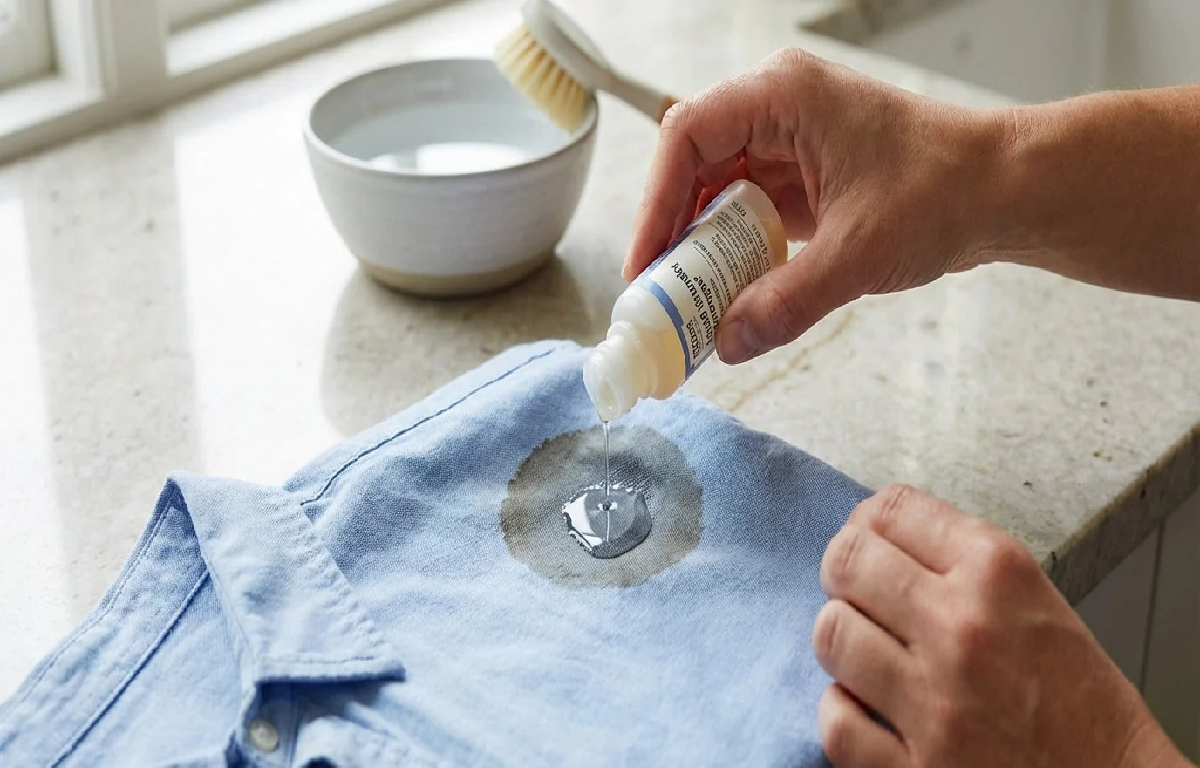
Clothes Stain Removal: The question arises: should you apply water or powder first after an oil stain? The correct approach is to try to absorb the oil first before applying water. Let us explain.
How to remove stubborn oil and ghee stains from clothes?
How to Remove Oil Stains From Clothes: Oil stains on clothes are nothing new. Whether you spill vegetable oil or tadka oil while cooking, or spill ghee, or get any other greasy substance on your clothes, it's not always easy to wash them off with the usual methods. Especially if the stain is left untreated for some time instead of being cleaned immediately.
The biggest problem with oil stains is that oil and water don't mix easily. Therefore, if you try to wash an oiled garment directly under a running tap, the water won't easily remove the oil. In fact, the stain may even spread slightly. This raises the question: should water or powder be applied first after an oil stain? The correct approach is to try to absorb the oil first before applying water.
Why use powder before water?
It can be helpful to sprinkle cornstarch or baking soda on an oil stain as soon as it appears. These powders help absorb the oil from the surface of the fabric. Cover the stained area thoroughly with the powder and let it sit for at least 15 minutes.
If the stain is heavy or the fabric is thick, it can be left on for about 30 minutes. After this, gently brush off the powder instead of rubbing it off. It can also be gently removed with a soft brush or the back of a spoon. If the powder has changed color or is sticky in places, it means it has absorbed oil. This step is most effective immediately after the stain appears. The longer the oil remains on the fabric, the more difficult it can be to remove.
Easy way to clean oil stains
First, gently dab the stained area with a clean white cloth or paper towel to remove any excess oil. Avoid rubbing the cloth, as this could spread the oil further into the fabric fibers. Next, sprinkle cornstarch or baking soda on the stain and let it sit for 15 to 30 minutes. After removing the powder, apply a small amount of dish soap to the stain. There's no need to dilute the soap with water at this point.
Now, using your finger or a soft toothbrush, gently apply dish soap to the fabric. Let it work in small circular motions for about 60 to 90 seconds. The cleaning agents in the dish soap help bind to the oil, making it easier to remove with water. Then, rinse the stained area of the fabric with cold water. Examine the stain under a light. If the stain is still visible, repeat the process by applying dish soap again.
How to wash the clothes after this?
When the stain is largely removed, the garment can be washed in cold water with an enzyme laundry detergent. Avoid putting the garment in the dryer immediately after machine washing. Inspect the stained area thoroughly first. If even a slight trace of oil remains, treat the same area again before drying. The heat of the dryer can permanently set the remaining oil stain into the fabric fibers.
Why should hot water be avoided?
It's best not to use hot water on oil stains. Heat can cause the oil to bond more strongly to the fabric fibers. Similarly, avoid putting oil-stained clothing in the dryer until you're absolutely sure the stain is gone.
Don't use the same method for every garment.
The cornstarch and dish soap method can be used on fabrics like cotton and polyester. Denim can also tolerate this type of cleaning relatively easily. However, it should be avoided at home on delicate fabrics like silk, georgette, and cashmere. Using water or dish soap improperly on these fabrics can damage the texture or finish. If the garment is marked "dry clean only," professional cleaning is a better option. The most important thing in removing oil stains is not to immediately start applying water and scrubbing. First, blot the excess oil, then try to lift it with powder, and then clean with dish soap and cold water. Taking action before the stain dries or is exposed to heat can make it much easier to remove.