
Business
New PUC Rules 2026: Will Your Existing Pollution Certificate Remain Valid? Check Revised Validity and Renewal Guidelines
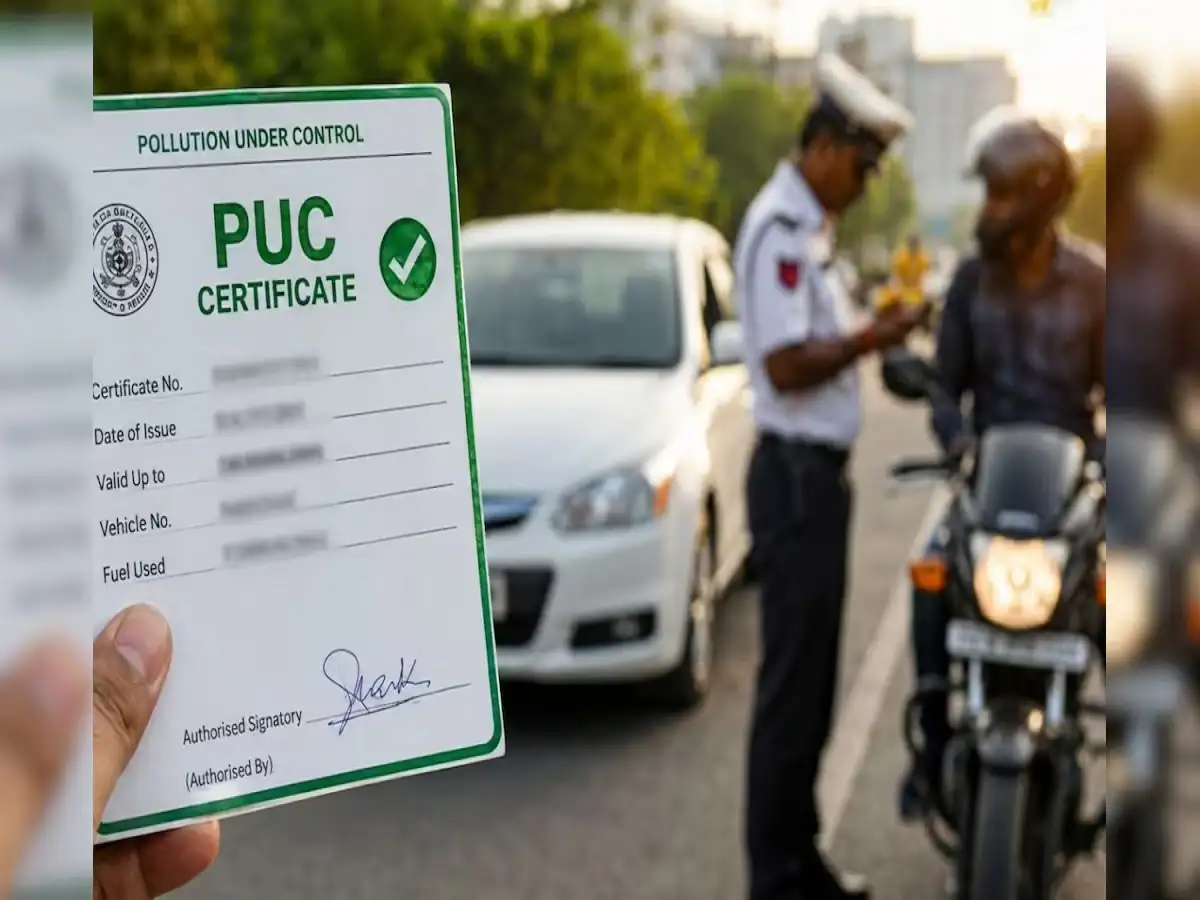
PUC Certificate Rules 2026: Vehicle owners across India may soon experience significant changes in the renewal process for their Pollution Under Control (PUC) certificates. According to reports, the Ministry of Road Transport and Highways (MoRTH) has introduced revised validity provisions based on vehicle emission standards and usage categories.
Under the reported changes, older vehicles will require more frequent pollution inspections, while owners of BS-VI vehicles could benefit from considerably longer certificate validity periods.
However, the announcement has raised an important question among motorists: Will existing pollution certificates become invalid once the revised regulations come into effect?
According to the supplied report, vehicle owners with valid PUC certificates will not be required to undergo immediate pollution testing. The revised validity provisions will become applicable when their existing certificates are renewed.
New PUC Certificate Validity Rules for Different Vehicles
The revised framework reportedly categorises vehicles according to their Bharat Stage (BS) emission standards. Vehicles manufactured under older emission standards will require more frequent inspections, while newer vehicles meeting stricter emission requirements will receive longer validity periods.
Revised PUC Certificate Validity
| Vehicle Category | Reported New PUC Validity |
|---|---|
| BS-I Vehicles | 3 months |
| BS-II Vehicles | 3 months |
| BS-III Vehicles | 3 months |
| BS-IV Vehicles | 6 months |
| BS-VI Private Vehicles | 3 years |
| BS-VI Commercial Vehicles | 2 years |
The objective behind shorter validity periods for older vehicles is to ensure that their emission levels are monitored regularly.
Meanwhile, longer validity periods for BS-VI vehicles could reduce the administrative burden on motorists and encourage compliance with modern emission standards.
Will Existing PUC Certificates Become Invalid?
Vehicle owners who already possess a valid pollution certificate may not need to visit a testing centre immediately.
According to the reported transitional provisions, certificates issued under the previous regulations will remain valid until their originally specified expiry dates.
The revised validity period will apply when the vehicle owner obtains a renewed certificate under the new framework.
For example, if your existing PUC certificate expires on March 15, 2027, you can reportedly continue using it until that date, provided it remains otherwise valid.
This means motorists will not have to spend additional money on unnecessary pollution testing simply because the validity regulations have changed.
New 10-Day PUC Renewal Provision Explained
Another important provision concerns the calculation of the validity period when a pollution certificate is renewed before its expiry.
According to the reported guidelines, vehicle owners who renew their certificates within 10 days before the existing expiry date will receive the benefit of having the new validity period calculated from the original expiry date.
However, if the certificate is renewed more than 10 days before its expiry, the new validity period will reportedly begin from the actual renewal date.
Understand the Renewal Rule With an Example
Suppose a BS-IV vehicle's existing pollution certificate expires on December 31, 2026.
| Renewal Date | Reported Start of New Validity |
|---|---|
| December 22, 2026 | December 31, 2026 |
| December 25, 2026 | December 31, 2026 |
| December 30, 2026 | December 31, 2026 |
| December 15, 2026 | December 15, 2026 |
This provision could help vehicle owners renew their pollution certificates in advance without unnecessarily losing the remaining validity period.
However, motorists should remember that the reported 10-day provision is not a grace period permitting them to drive with an expired certificate.
How to Renew Your PUC Certificate
Vehicle owners can obtain a renewed Pollution Under Control certificate by visiting an authorised vehicle emission testing centre.
Follow these steps to complete the renewal process:
- Locate an authorised PUC testing centre before your existing certificate expires.
- Carry your vehicle registration details and existing pollution certificate, if available.
- Present your vehicle for an emission level inspection.
- Pay the applicable pollution testing charges.
- Obtain the renewed PUC certificate if your vehicle meets the prescribed emission standards.
- Verify the registration number, emission readings and certificate expiry date.
If the vehicle fails the emission test, necessary servicing or repairs may be required before another inspection can be conducted.
Major Benefits of the Revised PUC Certificate Rules
The reported changes could provide several advantages to vehicle owners, particularly those driving vehicles manufactured under modern emission standards.
Private BS-VI vehicle owners could benefit from a three-year certificate validity period, potentially reducing repeated visits to pollution testing centres.
Similarly, commercial BS-VI vehicle operators could receive certificates valid for two years, helping reduce administrative requirements and vehicle downtime.
Older vehicles, however, will require more frequent inspections to ensure that their emissions remain within permissible limits.
Regular emission monitoring could also help identify engine-related problems, inefficient fuel combustion and maintenance requirements.
How to Check Your PUC Certificate Validity Online
Vehicle owners can access their pollution certificate details through the government's Parivahan portal.
Visit the official website at puc.parivahan.gov.in and select the PUC certificate-related service. Enter the required vehicle registration and chassis details, along with the verification code, to retrieve available certificate information.
Motorists should periodically check their certificate expiry dates to avoid penalties associated with driving without a valid pollution certificate.
Why Maintaining a Valid PUC Certificate Is Important
A Pollution Under Control certificate confirms that a vehicle's tested emissions comply with the applicable prescribed limits.
Driving without a valid certificate can attract penalties under applicable motor vehicle regulations. Regular vehicle servicing, proper engine maintenance and timely pollution inspections can help motorists remain compliant while reducing harmful emissions.
The reported revised framework aims to balance environmental protection with greater convenience for owners of newer, cleaner vehicles.
Vehicle owners should continue following the validity dates mentioned on their existing certificates and verify the latest official regulations before planning their next renewal.
Official Website: Parivahan Sewa
Note: The revised validity periods, transitional provisions and 10-day renewal rule are based on the supplied media report. The official notification, implementation date and any additional eligibility conditions have not been independently verified. Vehicle owners should consult the latest MoRTH notification before relying on these provisions.