ASTROLOGY
Navratri 2026: Why Is Barley Sown During Ghatasthapana? Know the Tradition and Its Meaning
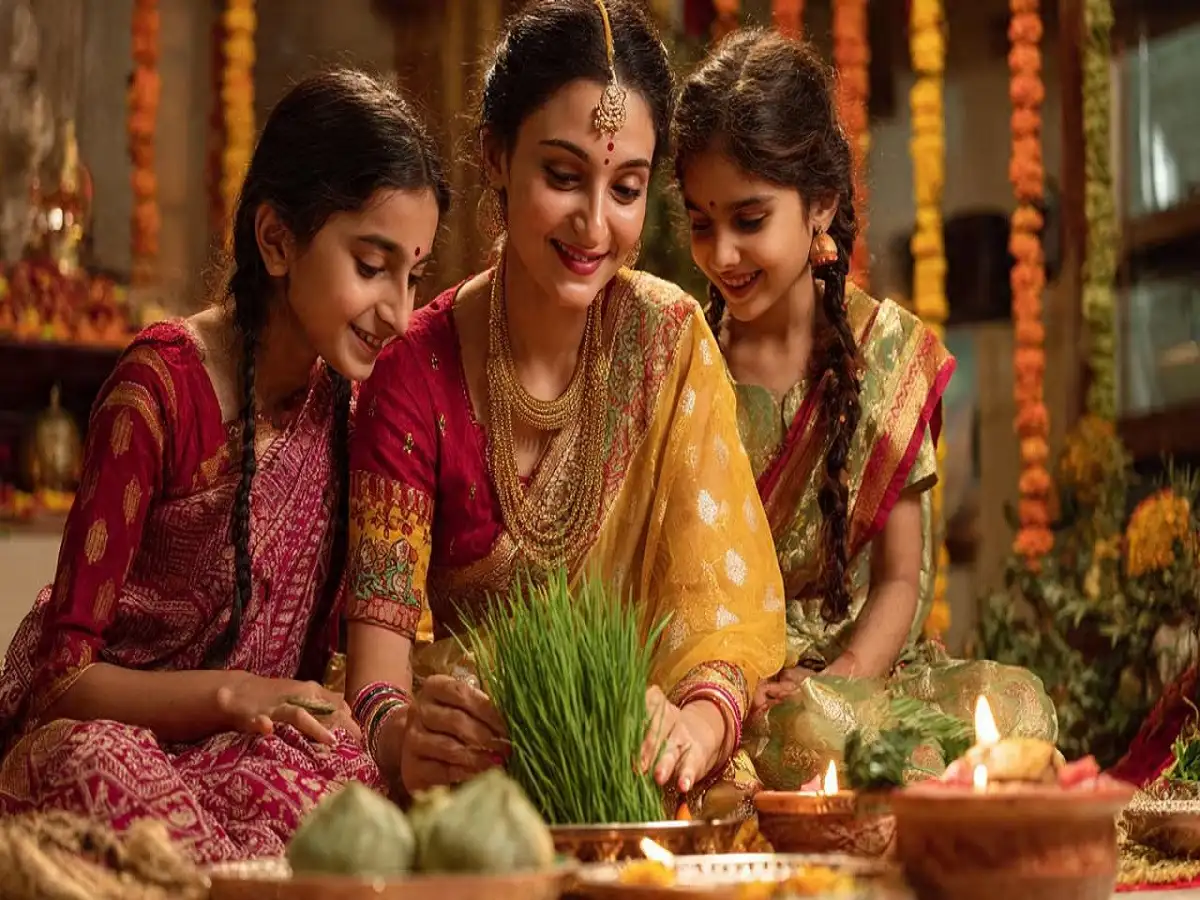
Navratri is one of the major Hindu festivals dedicated to the worship of Goddess Durga and her different forms. According to the details provided, Navratri celebrations in 2026 are set to begin on October 11, with devotees observing different rituals and forms of worship during the nine-day festival.
One of the most recognisable traditions associated with the beginning of Navratri is Ghatasthapana, also known as Kalash Sthapana. Along with establishing the sacred Kalash, many families and temples follow the practice of sowing barley, commonly known as jau, in a vessel filled with soil.
The barley seeds gradually sprout and grow throughout the nine days of Navratri. But why is barley used for this ritual, and what does its growth represent? The answer is closely connected with traditional beliefs surrounding nature, agriculture, food, prosperity and the cycle of life.
Why Is Barley Sown in Soil During Ghatasthapana?
During the traditional Ghatasthapana ritual, soil is placed in a wide vessel and barley seeds are sown in it. The Kalash is then established as part of the prescribed worship according to the customs followed by the family or community.
In Hindu religious symbolism, the earth is associated with creation, nourishment and the foundation of life. A seed placed in soil eventually germinates and develops into a plant, making the process a natural representation of growth and renewal.
For this reason, the combination of earth, seeds and water used during the ritual is traditionally associated with life, nature and prosperity.
The Kalash itself also carries religious significance. Together, the Kalash, soil, water and germinating seeds form an important part of the symbolism surrounding Ghatasthapana and the worship of the Goddess.
Why Is Barley Considered Significant During Navratri?
Barley has held an important place in India's agricultural traditions for centuries. In religious belief, it is also sometimes described as being among the ancient grains associated with early cultivation and sustenance.
Its use during Navratri is therefore not viewed merely as planting a crop. The germinating seed can symbolise the emergence and continuation of life.
Over the nine days, devotees observe the barley shoots as they gradually grow and turn green. Their greenery is traditionally associated with hopes for happiness, peace, progress and prosperity in the household.
These interpretations belong to religious and cultural tradition and may differ according to region and family customs.
Connection Between Barley, Agriculture and Prosperity
The custom also reflects the deep connection between Indian religious traditions and agriculture.
For generations, farming and the availability of food grains have been central to everyday life. A healthy harvest represented not only food but also economic security and the well-being of families and communities.
Against this cultural background, sowing barley during Ghatasthapana can also be understood as an expression of gratitude towards nature and a symbolic prayer for abundance.
The ritual brings together several elements closely associated with agricultural life—earth, water and seeds. As the seeds sprout, they offer a visible representation of fertility, nourishment and growth.
Therefore, the tradition can be seen as carrying both spiritual and agricultural symbolism.
What Is the Significance of Saptadhanya?
Some traditional Ghatasthapana practices also mention Saptadhanya, which refers to seven types of grains or seeds used during religious rituals.
The exact combination can vary according to tradition. The grains commonly associated with such practices may include barley, sesame, rice or paddy, moong, kangni, gram and wheat.
The use of different grains further highlights the connection between religious worship, food and agriculture.
Rather than viewing grain only as an everyday commodity, traditional rituals acknowledge its importance in sustaining life. In this sense, Ghatasthapana also reflects gratitude for food and natural resources.
Why Are Barley Shoots Observed Throughout the Nine Days?
Once the barley has been sown on the first day of Navratri, devotees may continue caring for and observing the shoots throughout the festival.
Traditional beliefs sometimes associate healthy, green and fast-growing barley shoots with favourable signs, prosperity and positive developments.
However, such interpretations should be understood as matters of faith, symbolism and cultural tradition rather than scientific predictions.
How quickly the seeds actually germinate depends on practical factors such as seed quality, soil conditions, moisture, temperature and sunlight. The physical growth of barley therefore should not be treated as a scientifically reliable way to predict a family's future.
A Tradition That Connects Worship With Nature
The practice of sowing barley during Navratri carries symbolism that extends beyond the ritual itself. It brings together devotion to Goddess Durga with ideas of nature, agriculture, nourishment, renewal and prosperity.
As the small seeds planted during Ghatasthapana transform into green shoots over the following days, devotees may see them as a reminder of growth and the sustaining power of nature.
Different communities and families may follow slightly different Ghatasthapana procedures. Those wishing to perform the ritual according to a particular religious tradition can follow their established family customs or seek guidance from a knowledgeable priest.
Ultimately, the centuries-old practice of sowing barley during Navratri remains a symbolic expression of faith, gratitude, life and hope for prosperity.