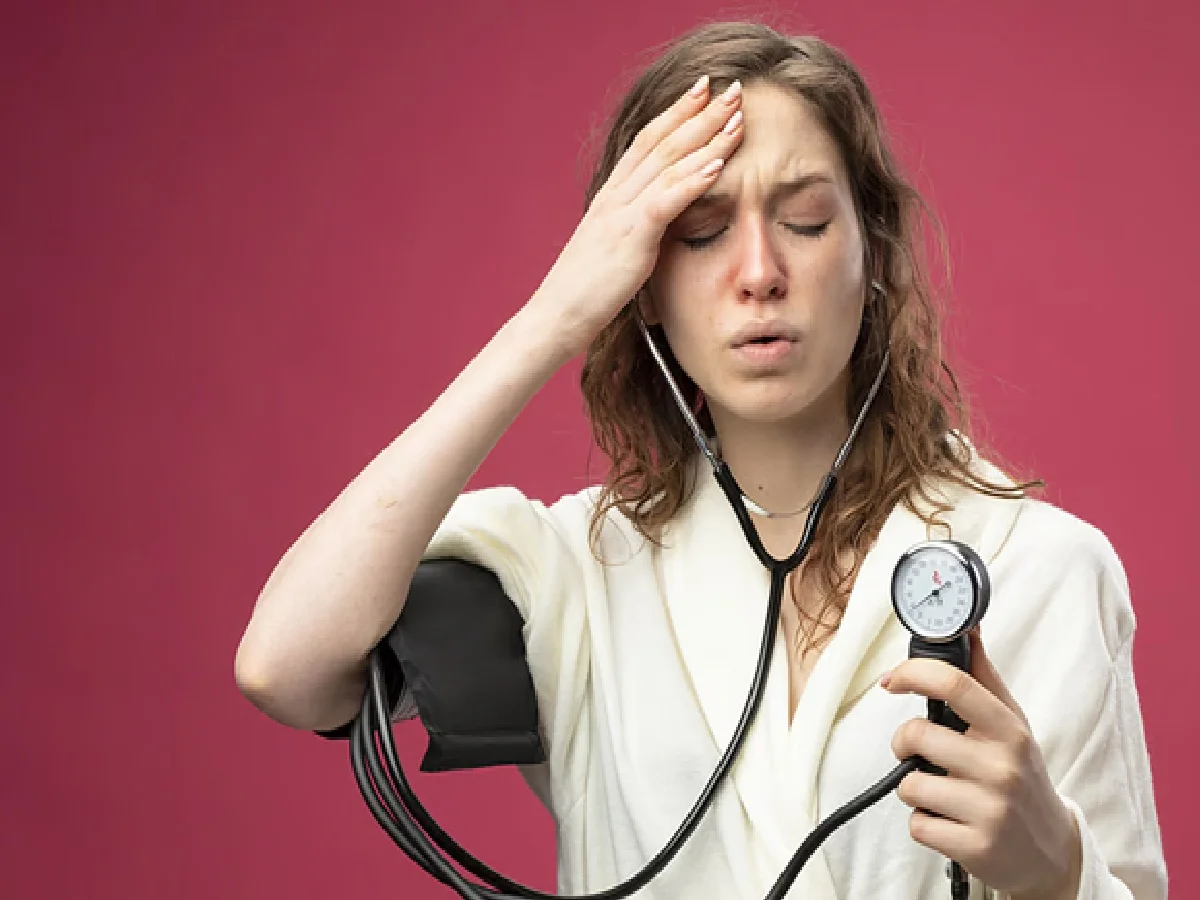
High Blood Pressure, also known as hypertension, is increasingly becoming one of the most serious lifestyle-related health conditions worldwide. Busy routines, stress, unhealthy eating habits, lack of exercise, and poor sleep are contributing to a sharp rise in blood pressure problems among people of all age groups.
What makes high blood pressure especially dangerous is that it often develops silently. Many people do not realize they have the condition until they experience a major medical emergency such as a heart attack or stroke.
According to the World Health Organization, nearly 1.28 billion people globally are affected by high blood pressure. Experts consider it one of the leading causes of heart attacks, strokes, kidney disease, and premature deaths worldwide.
Doctors say early detection can help control the condition effectively through medication, exercise, weight management, stress reduction, and lower salt intake. However, many people ignore the early symptoms or never get their blood pressure checked regularly.
Why High Blood Pressure Is Called a “Silent Disease”
According to cardiology specialists, high blood pressure can continue for years without showing major symptoms. Many people assume they would immediately feel discomfort if their blood pressure rises, but the early warning signs are often very mild and easy to ignore.
KIMS Hospitals senior interventional cardiology specialist Dr. P. Ashok Kumar reportedly explained that hypertension gradually damages the body even when obvious symptoms are absent.
Recognizing the warning signs early can help prevent serious complications later.
Morning Headache at the Back of the Head
One of the early warning signs linked to high blood pressure is headache in the back portion of the head, especially after waking up in the morning.
Many people dismiss this discomfort because the headache often becomes less intense as the day progresses. However, repeated morning headaches should not be ignored, particularly if they occur frequently.
Constant Fatigue and Low Energy
Persistent tiredness can also be a warning sign of high blood pressure.
When blood pressure remains elevated, the heart must work harder to pump blood throughout the body. As a result:
- The body may feel exhausted
- Energy levels may remain low
- Simple daily tasks may suddenly feel difficult
If you continue feeling fatigued despite getting proper sleep, doctors recommend checking your blood pressure levels.
Shortness of Breath During Routine Activities
Difficulty breathing during everyday activities can sometimes indicate underlying cardiovascular stress caused by high blood pressure.
Warning signs may include:
- Breathlessness while climbing stairs
- Difficulty walking short distances
- Feeling tired during regular household work
Although breathlessness can occur for many reasons, recurring symptoms should be medically evaluated.
Frequent Nosebleeds
Some individuals with uncontrolled high blood pressure may occasionally experience nosebleeds.
While nosebleeds can also occur because of allergies, dry weather, or infections, repeated unexplained bleeding should not be ignored, especially if accompanied by other symptoms.
Changes in Vision
High blood pressure can also affect the blood vessels in the eyes.
This may lead to:
- Blurred vision
- Difficulty focusing
- Pressure around the eyes
- Visual disturbances
Doctors warn that uncontrolled hypertension can gradually damage eye health if left untreated for long periods.
How High Blood Pressure Can Be Controlled
Health experts say hypertension can often be managed successfully through lifestyle changes and medical treatment.
Common recommendations include:
- Reducing salt intake
- Exercising regularly
- Maintaining healthy body weight
- Managing stress
- Avoiding smoking and excessive alcohol
- Getting regular blood pressure checkups
In some cases, doctors may also prescribe medication to maintain safe blood pressure levels.
Regular Testing Is Extremely Important
One of the biggest problems with hypertension is that many people avoid regular health checkups because they feel physically normal.
Doctors recommend adults, especially those with:
- Family history of hypertension
- Obesity
- Diabetes
- Stressful lifestyles
- Poor eating habits
should monitor their blood pressure regularly even if no major symptoms appear.
Don’t Ignore Early Signs
Morning headaches, fatigue, breathing difficulties, vision changes, and recurring nosebleeds may appear minor initially, but they can sometimes signal rising blood pressure levels.
Medical experts advise seeking professional evaluation instead of self-diagnosing symptoms. Early detection and timely lifestyle changes can significantly reduce the risk of severe complications such as heart attack, stroke, and kidney damage.